

Do literary agents ever offer representation without reading the book first—or at all? When a literary agent offers to represent your book, the natural assumption to make is that they read it, but that’s not always the case. It isn’t common, and there are valid and not-so-valid reasons for this, which this article explains. It is part of my guide about how to get a literary agent.

Quick Summary
Some literary agents offer representation without personally reading a completed manuscript in full—sometimes for good reasons but, other times, not so much.
Approximately a dozen writers I’ve worked with as an author coach or consultant have received offers based on their query letters alone—before the agents read any manuscript pages. That’s unusual, but it demonstrates why authors shouldn’t assume an offer reveals how thoroughly the book has been evaluated.
An agent might have read enough to become highly enthusiastic, relied on a trusted agency reader, faced a decision deadline created by another offer, or responded to existing publisher interest, the author’s track record, platform, credentials, or other external validation.
The situation is different when the complete manuscript doesn’t yet exist. Many prescriptive nonfiction books, for example, are represented and sold from proposals and sample chapters.
An agent can offer without finishing—or even opening—the manuscript. That doesn’t mean the author should sign without understanding why.
Key Takeaways
- Some legitimate literary agents offer representation without personally reading every page.
- A small number offer based on the query letter alone.
- It isn’t common, and I don’t believe it’s good practice for a completed manuscript.
- Another offer and decision deadline may cause an agent to accelerate the process.
- A trusted assistant or agency reader may have completed the book.
- Strong enthusiasm for the query, premise, or opening doesn’t reveal whether the full manuscript works.
- Existing publisher interest, author credentials, platform, referrals, or publishing history may influence an early offer.
- An incomplete read isn’t automatically disqualifying, but it warrants direct questions.
- The offering agent should understand the complete book before directing major revisions or submitting it to publishers.
- Offering on a nonfiction proposal or an established author’s future book is different from offering after an incomplete evaluation of a completed debut novel.
- The agent’s openness and plan might matter as much as the reason they haven’t finished.
A legitimate offer can still be based on an incomplete evaluation. Legitimacy and thoroughness aren’t the same question.
Table of Contents
- Does This Really Happen?
- Why Would an Agent Offer Before Finishing?
- What Might the Agent Not Know?
- What If an Assistant or Reader Finished the Book?
- Is an Incomplete Read a Red Flag?
- What Should You Ask During the Offer Call?
- What Should Happen Before Publisher Submission?
- When Reading the Complete Manuscript Isn’t Expected
- Get 1-on-1 Help to Secure—or Evaluate—a Literary Agent Offer
- Final Thoughts
- Frequently Asked Questions

I Was Offered Representation But the Literary Agent Hasn’t Read My Book
A literary agent calls and offers to represent your completed novel, memoir, or narrative nonfiction book. Naturally, you assume the agent read the whole manuscript.
But did they?
It isn’t common, and I don’t believe it’s good practice, but some literary agents offer representation without personally reading the complete book. In even rarer cases, agents offer based on the query letter alone—without reading any manuscript pages first.
The agent might have had a deadline because another agent offered. A trusted assistant might have finished the manuscript. The agent might have fallen in love with the concept, voice, positioning, author platform, or perceived market potential—or acted quickly because a publisher was already interested.
Less reassuring explanations are possible too. The agent may assume any problems can be fixed later, be eager to add clients, or simply be overextended and cutting corners. No read or an incomplete read doesn’t automatically mean the agent is illegitimate or wrong for you. But you shouldn’t assume an offer proves the agent understands the complete book.
An incomplete personal read shouldn’t automatically disqualify the agent—but the author should understand:
- How much the agent personally read
- Whether someone else completed the manuscript
- Whether the offer was based only on the query
- Why the agent offered before fully evaluating the book
- How well the agent understands the full story or argument
- What revisions the agent anticipates
- Whether the agent will finish before revising or submitting the book
- How the opportunity compares with other possible offers
The situation is different when the complete manuscript doesn’t yet exist. Many prescriptive nonfiction books, for example, are represented and sold from proposals and sample chapters.
An agent can offer without finishing—or even opening—the manuscript. That doesn’t mean the author should sign without understanding why.
How I Learned Some Agents Offer Without Finishing
When I was a literary agent, I couldn’t comprehend offering to represent and sell a completed manuscript I hadn’t read in full. Like most authors, I assumed that was fundamental. How could I advise the writer, identify necessary revisions, position the project, choose appropriate editors, and advocate for the book without knowing how the entire manuscript worked?
I personally reviewed every query letter submitted to me. I enjoyed that part of the process, and I was too much of a control freak to trust someone else with deciding which books and authors I might want to represent.
I also tried to be selective about requesting complete manuscripts. A full request creates legitimate hope, and I didn’t want to disappoint more writers than necessary by requesting books I wasn’t seriously interested in considering.
After becoming an author coach and consultant in 2011, however, I learned through some of my clients who received offers of representation that agents occasionally offer without finishing the manuscript.
In some situations, the agent had read much of the book. In others, an assistant had completed it. Sometimes another offer created urgency. A few agents couldn’t discuss significant later developments because they hadn’t reached them.
Even more surprisingly, approximately a dozen writers I’ve worked with have received offers of representation based on their query letters alone. The agents hadn’t read the complete manuscript—or, in those cases, any manuscript pages—before offering.
That’s highly unusual, and it reinforces an important point:
An offer confirms an agent’s interest in representing the writer. It doesn’t necessarily reveal how thoroughly the agent has evaluated the book.
I’ve encountered these practices enough to know they happen, but I have no reason to believe they’re common. When helping an author evaluate such an offer, I consider five things.
The Manuscript
Is it a completed novel, memoir, or narrative nonfiction book? How important are the full arc and ending? Could significant structural, factual, legal, ethical, or market problems appear later?
The Reading
How much did the agent personally read? Did someone else finish? Did the agent skim ahead or read selected later sections? Was the offer based only on the query? Can the agent discuss the complete book intelligently?
The Reason for Offering
Did another offer create a deadline? Is a publisher already interested? Is the agent responding to the concept, author’s track record, platform, or credentials? Or did the agent simply act prematurely?
The Agent
How successful is the agent with similar books? How thoughtful is their editorial vision? Are they candid, careful, and well supported by their agency—or impulsive and vague?
The Plan
When will the agent read the complete work? Will that happen before revisions or submission? What happens if reading the manuscript changes the agent’s opinion?
The question shouldn’t just be, “Did the agent finish?” It should be, “What is the offer based on, and what will happen before this person represents or pitches the book to publishers?”
1. Does This Really Happen?
Not often.
Most authors understandably assume that an offer means the agent:
- Read the complete manuscript
- Understands the ending
- Has identified likely revisions
- Believes the entire book is marketable
- Is prepared to advocate for it
That assumption isn’t always right.
The agent might have:
- Read most, but not all, of the manuscript
- Read the opening and selected later sections
- Relied on an assistant or agency reader who finished it
- Offered after learning that another agent had offered
- Responded to existing publisher interest
- Offered based partly on the writer’s talent or career potential
- Offered based on the query letter alone
This doesn’t mean agents generally offer after casually glancing at a query or opening pages. Completed debut novels normally need to demonstrate that the author can sustain the story and deliver the ending—not merely describe an impressive premise or write an effective beginning.
Literary agent Kristin Nelson has explained that manuscripts can work well for a substantial number of pages and then deteriorate, which is one reason the complete novel matters. Read more in Why Agents Need Full Manuscripts.
An offer confirms that the agent wants the relationship. It doesn’t necessarily confirm how thoroughly the agent evaluated the manuscript.
2. Why Would an Agent Offer Before Finishing?
Some explanations are more understandable than others.
Another Agent Has Offered
When an author receives an offer of representation, they generally notify other agents considering the manuscript and give them an opportunity to respond before making a decision.
That deadline might cause an agent to:
- Move the manuscript to the top of the queue
- Read quickly
- Read selected sections strategically
- Rely partly on a synopsis or reader report
- Offer before finishing rather than lose the author
The competitive pressure explains the urgency. It doesn’t make an incomplete understanding ideal.
A deadline might explain the speed, but it doesn’t eliminate the need for due diligence.
The Query Alone Creates Exceptional Interest
Occasionally, an agent might be sufficiently impressed by the concept, positioning, author credentials, platform, referral, or perceived commercial potential described in a query to offer representation without first requesting manuscript pages.
This is more understandable when:
- The project is prescriptive nonfiction that might normally sell from a proposal
- The writer has exceptional credentials or a substantial platform
- A publisher is already interested
- The author has a successful publishing history
- A trusted person strongly referred the author
- The project appears unusually timely or commercially promising
It’s harder to justify offering without reading for a completed debut novel, memoir, or other narrative project whose quality depends on sustained execution. A powerful query can reveal an exciting concept, compelling voice, market opportunity, or unusually promising author. It can’t reveal whether an unread manuscript successfully delivers on those promises.
A compelling query can reveal a good opportunity. It can’t reveal whether an unread manuscript successfully delivers on its promise.
For guidance on what makes a query effective, see How to Write a Literary Agent Query Letter.
The Agent Loves the Premise, Voice, or Opening
An agent might respond so strongly to the early material that they become convinced they want the author as a client.
They might believe:
- The concept is very commercial
- The voice is unusual and compelling
- The opening demonstrates significant talent
- The author appears highly capable of revision
- Any later weaknesses can be addressed after signing
That enthusiasm can be genuine and valuable. But a strong beginning doesn’t prove that the middle, climax, character development, or ending are as strong as they could be.
A Trusted Agency Reader Finished It
The agent might not have personally finished, but someone else at the agency might have.
That could be:
- An assistant
- An intern
- A junior agent
- A colleague
- A freelance agency reader
The reader might have prepared a detailed report and recommended the manuscript enthusiastically. That’s different from nobody reading the complete work. However, the author is considering a relationship with the offering agent—not the person who prepared the reader report. The agent should still develop meaningful personal knowledge of the book before controlling its editorial and submission strategy.
A Publisher Is Already Interested
The writer might already have:
- A publishing offer
- Serious interest from an editor
- A contest-related publishing opportunity
- A request from a publisher accepting unagented submissions
The agent might move quickly because the immediate need involves contract negotiation, rights, and deciding whether to pursue the existing opportunity or approach other publishers.
That can be practical.
And it raises questions:
- Is the agent interested in the writer’s career or mainly the commissionable deal?
- Does the agent plan to represent future books?
- Has the agent evaluated whether the current publisher is the author’s best option?
- Will the agent read and understand the manuscript before advocating for it?
The Author Has Strong External Validation
An agent may feel more confident because the author has:
- Previous successful books
- Prestigious awards
- A large platform
- Significant media visibility
- A respected referral
- Publisher interest
- Successful work in another medium
In that case, the agent might be making a broader bet on the writer’s career rather than basing the offer solely on this manuscript. That can be rational, especially for an established author. But the author should still understand what the agent knows about the specific book.
The Agent Expects to Fix the Book Later
The agent might believe:
- The hook is too strong to lose
- The author has enough talent to revise
- The problems are manageable
- The agent can shape the book after signing
- A publishing-house editor can address anything that remains
The danger is that the agent might be underestimating what the manuscript needs.
After finishing—or beginning—the manuscript, the agent might discover:
- Much larger structural problems
- An unsuccessful ending
- A book that’s difficult to position
- An editorial vision the author doesn’t share
- A project the agent no longer feels enthusiastic about
The relationship then begins with the author discovering that the offer was based more on potential than confidence in the completed book. For that reason, I always encourage my coaching and consulting clients to ask questions—if the agent doesn’t volunteer the information—about what the agent believes will need to be changed in the book before pitching it.
You don’t want to be surprised later—especially if you have another agent interested and burn that bridge for the one offering you representation without reading.
The Agent Is Building a Client List
A newer literary agent—or any agent actively expanding their list—might be more motivated to sign a promising writer. A little too motivated. That doesn’t mean newer agents are always or often careless. Many read thoroughly, have excellent judgment, and receive strong mentorship and agency support.
The issue isn’t how new the agent is. It’s whether their enthusiasm is supported by adequate evaluation, relevant experience, and a thoughtful plan.
The Agent Is Overextended or Cutting Corners
The least reassuring possibility is that the agent is:
- Too busy
- Impulsive
- More interested in signing than reading
- Assuming editors will fix the book
- Chasing what appears to be a quick sale
- Failing to conduct adequate due diligence
Not every incomplete or nonexistent read has a strategically reasonable explanation. That’s why the offer conversation matters.
3. What Might the Literary Agent Not Know?
For a completed novel, memoir, or narrative nonfiction manuscript, an agent who hasn’t finished—or hasn’t started—might not know:
- Whether the middle sustains momentum
- Whether the structure remains coherent
- Whether character motivation holds
- Whether the emotional or thematic arc succeeds
- Whether the writing quality remains consistent
- Whether the ending is satisfying
- Whether the book fulfills the query’s promise
- Whether factual, legal, ethical, or credibility concerns emerge
- How much developmental work is required
- How the complete project should be positioned
That creates risk that you don’t want. The agent’s enthusiasm might decline after signing. The revisions might become much more extensive than expected. The author and agent might discover that they want fundamentally different books.
Been there, done that.
Not good.
Publisher submission might also be delayed—or never happen.
The query can reveal an opportunity, and the opening can reveal talent. Only the complete book reveals whether that talent delivered this book successfully.
4. What If an Assistant or Reader Finished the Book?
An agency reader can contribute meaningfully to the evaluation.
They might:
- Assess the complete arc
- Identify strengths and weaknesses
- Prepare detailed notes
- Recommend that the agent offer
- Give the agent a valuable second perspective
That process isn’t inherently wrong.
The distinction is between:
- Nobody at the agency finishing the manuscript
- Someone at the agency completing it
- The offering agent personally completing it
The second situation is more reassuring than the first—but it isn’t identical to the third.
The assistant or reader generally won’t be the person who:
- Directs revisions
- Pitches editors
- Negotiates the publishing agreement
- Manages the author’s career
- Takes responsibility for the representation
The reader might also leave the agency.
A trusted reader can support an offer. They shouldn’t remain the only person who fully understands the book.
The author can (okay, should) ask:
- Who read the complete manuscript?
- What role does that person have?
- Did the agent discuss the book with them in detail?
- Which parts did the agent personally read?
- When will the agent finish?
5. Is an Incomplete Read a Red Flag?
It’s a concern. Or, at least, it should be. Though it shouldn’t automatically be a disqualifying red flag.
Less Concerning
The situation might be less concerning when:
- The agent read most of the manuscript.
- A trusted and experienced agency reader completed it.
- Another offer created a short decision deadline.
- The agent can discuss the book intelligently.
- The agent has strong and relevant sales.
- The explanation is candid and reasonable.
- The agent plans to finish promptly.
- The agent won’t direct revisions or submit before finishing.
More Concerning
It becomes more concerning when:
- The agent read only a few chapters—or none of the manuscript.
- Nobody at the agency completed the book.
- The agent can’t discuss the ending or later developments.
- The agent has no coherent editorial or submission vision.
- The offer appears based mainly on a perceived quick sale.
- The agent intends to submit immediately.
- The agent becomes defensive when asked.
- The explanation is vague or changes.
- The agent’s credentials are weak or questionable.
- The author is pressured to sign quickly.
An incomplete read may be understandable. An agent’s unwillingness to be candid about it is more concerning.
6. What Should You Ask During the Offer Call?
The Authors Guild takes the same approach I do. As in they advise writers to treat the agent interview as a conversation rather than an interrogation and to ask questions about the agent’s approach. Whether the complete manuscript was read should be part of that conversation.
Read more in the Authors Guild’s guide to choosing a literary agent.
Questions to ask if needed:
- Have you read the complete manuscript?
- How much have you read personally?
- Did anyone else at the agency read it in full?
- Is the offer based only on my query or other pitch materials?
- What revisions do you currently anticipate?
- Will you read the complete manuscript before we begin revisions or submit it?
- What made you decide to offer before reading or finishing it?
You don’t need to sound suspicious or accusatory.
Please don’t.
You might, however, say:
I’m thrilled by your enthusiasm, and I want to understand the basis of the offer and how you see the complete book. Have you had a chance to read the entire manuscript?
If the answer is no:
Could you tell me how much you’ve read, whether anyone else at the agency completed it, and if or when you expect to finish?
Asking whether the agent read the manuscript isn’t rude. You shouldn’t need to ask, so don’t feel bad if you do. Signing without understanding the answer is riskier.
7. What Should Happen Before Publisher Submission?
Even if an early offer can be explained, an agent should adequately understand the complete manuscript before trying to sell it.
Before submission, the agent should know:
- How the book ends
- Whether its structure holds together
- What its strongest selling points are
- What concerns editors may raise
- Whether revision is needed
- Which editors are appropriate
- How the book should be positioned
- Whether the agent can advocate for it wholeheartedly
Debut fiction is generally sold on a completed manuscript precisely because a strong query or beginning doesn’t prove that the author delivered the entire book successfully.
Offering early might sometimes be explainable. Submitting a completed manuscript the agent still doesn’t adequately understand is much harder to justify.
The same principle applies to editorial guidance. An agent can’t responsibly direct substantial revisions without meaningfully engaging with the complete work.
For more about that process, see Do Literary Agents Edit Manuscripts? What Writers Should Expect.
8. When Reading the Complete Manuscript Isn’t Expected
Not every offer is based on a completed manuscript.
Prescriptive and Informational Nonfiction
Many nonfiction books are represented and sold from:
- A book proposal
- Chapter summaries
- Market analysis
- Author platform information
- Sample chapters
The full manuscript might not even exist yet. An agent offering on those materials isn’t skipping a necessary complete read.
Established Authors
A proven author might sell a future book based on:
- A proposal
- A synopsis
- Sample chapters
- A series concept
- Contract option materials
The literary agent and publisher might already know the author’s ability to deliver.
Picture Books
The complete text is usually short and commonly included in the initial submission, so the agent can generally read the entire manuscript quickly. Not complicated.
Graphic Novels and Illustrated Projects
An agent might evaluate a:
- Complete script
- Partial or complete dummy
- Proposal
- Synopsis
- Sample pages
- Portfolio or sample artwork
The required materials depend on the project’s stage and the agent’s guidelines.
9. Get 1-on-1 Help to Secure—or Evaluate—a Literary Agent Offer
An offer of representation can feel like you’ve arrived, but it’s really—or, at least, it should be—the beginning of an important decision.
That’s why I don’t just help authors get offers from literary agents.
I also help authors evaluate:
- What the offer appears to be based on
- The agent’s explanation and proposed timeline
- Relevant sales and publisher relationships
- Editorial vision
- Communication and compatibility
- Agency agreement terms
- Competing offers
- Whether to accept, decline, or ask more questions
Enthusiasm is important.
So is experience, judgment, transparency, editorial compatibility, and the agent’s understanding—or credible plan to understand—the complete book.
Read reviews from authors I’ve helped.
Explore 1-on-1 author coaching and consulting.
10. Final Thoughts
When I was a literary agent, I couldn’t imagine offering to represent and sell a completed book I hadn’t read in full. After becoming an author coach and consultant, I learned that some agents do. Approximately a dozen writers I’ve worked with have even received offers based on their query letters alone.
It isn’t common, and it’s generally not good for a completed manuscript. But the explanation and context are important. A literary agent who read most of the book, relied on a trusted reader, and faced a competitive deadline presents a different situation from one who read nothing beyond the query, has no clear plan to evaluate the manuscript, and intends to submit immediately.
An incomplete—or nonexistent—read doesn’t automatically make the agent illegitimate. It simply means the author should ask informed questions.
Before signing, you should know:
- How much the agent personally read
- Whether the offer was based on the query alone
- Who else evaluated the book
- Why the agent offered
- How well the agent understands the work
- What revisions they anticipate
- When the agent will read the complete manuscript
- Whether the book will be fully evaluated before submission
- How the opportunity compares with any others
An offer of representation should be exciting. It should also be informed. Before signing, make sure the agent’s enthusiasm is supported by a credible plan to understand the book well enough to represent it—and you—responsibly.
It shouldn’t simply be about whether the agent wants to sign you. It should also be about whether the agent knows—or will soon learn—enough about your work to deserve the responsibility you’re considering giving them.
You might also find these articles helpful:
FAQ: From Book Idea to Querying Literary Agents—Steps and Timeline
Is it normal for an agent to offer without reading the whole manuscript?
No. It isn’t common for completed novels, memoirs, or narrative nonfiction manuscripts, but it sometimes happens.
Can a literary agent offer based only on a query letter?
Yes, but it’s highly unusual. Approximately a dozen writers I’ve worked with have received offers based on their queries alone, before the agents read any manuscript pages. The author should ask what inspired the offer, how the manuscript will be evaluated, and whether the agent will read it completely before recommending revisions or submitting it to publishers.
Is the agent automatically a scammer?
No. Legitimate agents may offer early for several reasons. Evaluate the agent’s credentials, explanation, engagement, and plan. Be especially careful with unsolicited offers, requests for reading fees, or messages from accounts that can’t be verified through the agency’s official contact information. The Association of American Literary Agents’ scam alerts provide additional guidance.
Should I reject the offer immediately?
Not necessarily. Ask questions and evaluate the complete situation.
Can I ask whether the agent finished?
Yes. It’s an appropriate and important question when evaluating an offer.
What if an assistant read the whole book?
That’s better than nobody completing it. The offering agent should still develop meaningful personal knowledge before revisions and publisher submission.
What if another offer created the deadline?
That may explain why the agent accelerated the decision. Ask how much the agent read and when they’ll finish.
What if the agent hasn’t read anything but has major revision ideas?
Be cautious. The agent may have identified positioning concerns from the query, but certainty about a manuscript they haven’t read is premature.
Should the agent finish before I sign?
Ideally, yes, for a completed manuscript. At minimum, understand why they haven’t finished—or started—how the book will be evaluated, and what will happen next.
What if the agent’s track record is excellent?
That makes the opportunity more attractive. It doesn’t make the reading question irrelevant.
Should the agent finish before submitting to publishers?
Yes. The agent should adequately understand the complete work before positioning, pitching, and advocating for it.
Does this apply to nonfiction proposals?
Not in the same way. Many nonfiction books are represented and sold before the complete manuscript is written.
About
This article about literary agents offering representation without reading a manuscript was written by a former literary agent turned author coach. Mark Malatesta is the creator of The Directory of Book Agents, host of Ask a Publishing Agent, and founder of Literary Agent Undercover and The Bestselling Author.
Mark has helped hundreds of authors get offers from literary agents and/or traditional publishers. Writers of all Book Genres have used our Book Agent Advice coaching/consulting to get Top Literary Agents at the Best Literary Agencies on our List of Literary Agents.
The Bestselling Author, LLC
 Established in 2011, The Bestselling Author has helped 400+ authors get literary agents and/or traditional publishers. Writers who’ve worked with Literary Agent Undercover, a division of The Bestselling Author, have gotten six-figure book deals; been on the New York Times bestseller list; had their books adapted for TV, stage, and feature film; had their work licensed in 40+ countries; and sold many millions of books.
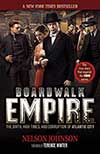
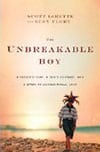
Notable authors include Nelson Johnson, author of Boardwalk Empire, which Martin Scorsese produced for HBO; Leslie Lehr, author of A Boob’s Life, which is currently being adapted for an HBO Max TV series by Salma Hayek; and Scott LeRette, author of The Unbreakable Boy, which was published by Thomas Nelson and is now a major motion picture by Lionsgate starring Patricia Heaton, Zachary Levi, and Amy Acker.
The founder of The Bestselling Author, Mark Malatesta, is a former literary agent, literary agency owner, AAR member, and Marketing & Licensing Manager for the gift and book publisher Blue Mountain Arts. He is now an author coach and consultant. Click here to see Mark Malatesta reviews.
About the Author
 The founder of The Bestselling Author, Mark Malatesta, is a former literary agent, literary agency owner, AAR member, and Marketing & Licensing Manager for the gift and book publisher Blue Mountain Arts. Mark is now a highly regarded author coach and consultant, dedicated to helping writers obtain literary agents. Drawing on decades of industry experience, he works with writers across genres, offering personalized coaching to navigate the complexities of the publishing world.
Through The Bestselling Author, Mark provides practical tools, industry insights, and motivational support tailored to each writer’s needs to help them do so. In addition to coaching, Mark shares his expertise through speaking engagements and online resources. His dedication to empowering authors has made him a trusted mentor in the writing community, earning him a reputation as a knowledgeable and approachable guide for writers pursuing their dreams. Click here for Mark Malatesta reviews.







 MARK MALATESTA is a former literary agent turned author coach. Mark now helps authors of all genres (fiction, nonfiction, and children's books) get top literary agents, publishers, and book deals through his company