

Most advice about the author–literary agent relationship focuses on finding an agent, signing an agency agreement, communicating, or ending the relationship. All that is important. But one underlying belief shapes nearly everything that happens between an author and agent: Who’s “in charge?” This article explains, and it’s part of my guide about how to get a literary agent.
Some writers approach the author-agent relationship—or agent-author relationship depending who you ask—as though the agent is an employee who should follow instructions. At the opposite extreme, some agents behave as though their publishing knowledge, access, and status make them the writer’s boss. Neither approach creates the healthiest or most ideal relationship.
Who does each person think is in charge?
The best author-agent relationships are partnerships in which both people view and treat the relationship that way. Both parties are equally important, contribute something essential, and move forward with the expectation—as well as hope and faith—that the other will be committed and fulfill their responsibilities.
That doesn’t mean the author and agent have identical expertise, roles, or authority in every situation.
It just means, or should mean, that neither person is subordinate to the other.
Quick Summary
There are three basic ways authors and literary agents may view their relationship.
In the first, the author sees the agent as an employee who has been “hired” and can be “fired.” The writer may expect the agent to follow instructions, provide constant access, or support every decision and project.
In the second, the agent acts as though they’re the author’s boss. The writer may feel unable to ask questions, disagree, request information, or participate meaningfully in decisions about their book and career.
The healthiest model is a professional partnership. The author and agent are equally important but contribute different expertise, labor, responsibilities, and judgment.
Partnership doesn’t require agreement on everything. It requires mutual respect, candid communication, thoughtful questions, clear roles, cooperation, and shared accountability.
Your literary agent isn’t your employee, and your literary agent isn’t your boss. You should both be professionals choosing to build a publishing career together.
Key Takeaways
- Being the client doesn’t make the author the agent’s boss.
- Publishing expertise doesn’t make the agent the owner of the author’s career.
- The healthiest relationship is a partnership between professional equals.
- Equal importance doesn’t mean identical expertise or responsibilities.
- Good agents welcome reasonable questions and explain important recommendations.
- Thoughtful questions and answers create deeper understanding and trust.
- A forceful or experienced agent isn’t necessarily controlling.
- The best old-school agents combine authority, humility, candor, service, and deep personal investment.
- Writers should evaluate both an agent’s effectiveness and the kind of partner they’re likely to be.
- Either person can create an unhealthy power imbalance.
A healthy author-agent relationship combines equal importance and mutual respect with different expertise, responsibilities, and roles.

Why the Type of Author-Agent Relationship Matters
During my years as a literary agent, I approached the author-agent relationship as a partnership between professional equals. That’s also how I approach my relationships with authors now as a coach and consultant, and that’s how I approach my relationships with people generally.
In my experience, the most successful—and often most enjoyable—professional relationships don’t come from one person giving orders and expecting compliance. They come from mutual understanding, respect, communication, and cooperation.
In the publishing industry, the author understands the work, its creative purpose, and the career they want to build. The agent understands the publishing market, submissions, rights, negotiations, and the realities of representing books and authors.
Each person should be able to contribute their part with the expectation—and reasonable faith—that the other will do the same, with commitment and professionalism.
1. Who Is Supposed to Be in Charge?
The question contains a misleading assumption: The author and agent need clear decision-making roles, but one person doesn’t need to be the boss.
The author owns the creative career and must live with the consequences of major decisions. The agent has specialized expertise, professional relationships, and responsibilities the author usually doesn’t possess.
The agent represents the author but isn’t generally a salaried employee waiting for assignments. The author should consider the agent’s advice seriously but isn’t a subordinate who must surrender judgment, goals, or the right to ask questions.
A strong relationship depends less on status and more on clarity:
- Who is responsible for which work?
- Which decisions require the author’s approval?
- Where should the agent exercise professional judgment?
- How will important recommendations be discussed?
- What happens when the author and agent disagree?
The answer isn’t—or, at least, it shouldn’t be—domination by either side. It should be a professional partnership with clear roles.
3. Model Two: The Agent Acts Like the Author’s Boss
The opposite imbalance takes place when the agent behaves as though greater publishing experience and access give them authority over the author. The writer might feel grateful just to be represented and they might be afraid that asking questions, expressing concern, or disagreeing will jeopardize the relationship.
Some agents feed into that fear.
They shouldn’t.
Signs of the Agent-as-Boss Dynamic
The agent might:
- Treat questions as challenges
- Dismiss the author’s goals as naïve
- Make important decisions without appropriate consultation
- Withhold meaningful submission information
- Pressure the author to accept unwanted terms
- Expect the author to write whatever seems easiest to sell
- Treat disagreement as disloyalty
- Emphasize how replaceable the author is
- Use status or access as a source of control
Some agents—with big egos—make the imbalance obvious. Their sales, connections, reputation, and importance become recurring parts of the relationship. The author gradually learns that keeping the agent pleased matters more than understanding the strategy or voicing concerns.
Writers sometimes contribute to this dynamic by putting an agent on a pedestal and confusing expertise with authority. An offer of representation can feel so valuable that the writer becomes afraid to participate fully in their own career.
The agent’s experience should carry significant weight.
But it shouldn’t make you lose your voice.
Expertise deserves respect, not subjugation.
Confidence Isn’t Control
A confident agent shouldn’t be domineering.
Writers seek agents because they want strong judgment, market knowledge, negotiating skill, and candid advice.
An agent might strongly recommend a revision, disagree with the author’s preferred strategy, or say that a project is unlikely to sell. That can be valuable rather than controlling.
The difference is whether the agent explains, listens, considers the author’s priorities, and distinguishes professional advice from unquestionable command.
There’s a big difference between:
“I’ve encountered this situation many times. Let me explain why I strongly recommend this approach.”
and:
“I’m the agent. Don’t question my strategy.”
The first offers expertise in service to the relationship, whereas the second uses expertise to shut the relationship down.
4. Model Three: The Author and Agent View Each Other as Partners
The healthiest author-agent relationship is a partnership between professional equals. Neither treats the other as an employee, boss, servant, gatekeeper, or interchangeable source of income. The author and agent are equally important, although their expertise and responsibilities differ.
What the Author Contributes
The author brings:
- The creative work
- Knowledge of its meaning and purpose
- The willingness to write and revise
- Subject-matter knowledge where relevant
- Personal and career priorities
- Decisions about the life and body of work they want to build
What the Agent Contributes
The agent brings:
- Publishing-market knowledge
- Editorial and positioning judgment
- Relationships with editors and other professionals
- Submission strategy
- Negotiating experience
- Rights expertise
- Long-term career perspective
- Significant labor without guaranteed compensation
Neither contribution is secondary. Both people contribute what they do best with the expectation—and reasonable faith—that the other will do the same.
The author trusts the agent to use their expertise, act in the author’s interests, communicate honestly, and follow through. The agent trusts the author to produce the work, consider professional advice seriously, meet reasonable commitments, and communicate concerns.
That trust shouldn’t be blind. It should be supported by transparency, performance, communication, and mutual accountability.
That’s how I approached my relationships with authors when I was a literary agent. It’s also how I approach my relationships with authors now as a coach and consultant.
The most successful—and often most enjoyable—relationships don’t come from either person trying to get their way through orders and compliance.
They come from mutual understanding, respect, honest discussion, and cooperation.
Old-School Literary Agents
Many of the qualities authors value most are associated with the old-school agents:
- Deep personal investment
- Loyalty
- Candor
- Patience
- Editorial involvement
- Professional discretion
- Long-term career thinking
- Strong advocacy
- A willingness to work behind the scenes
Maxwell Perkins was a legendary book editor rather than a literary agent, but he embodied many of these qualities. He worked deeply with writers, nurtured talent, protected the author’s creative identity, and focused on helping the writer and work succeed rather than making himself the center of attention. His work and relationships are explored in the National Book Award–winning biography Max Perkins: Editor of Genius.
Old-school agents tend to be authoritative without being authoritarian. They often have strong opinions and high standards. They often push an author when the work needs it. But their authority comes from judgment, commitment, and service—not ego.
A partnership-oriented agent can be forceful without being controlling, confident without being egotistical, and influential without making the author’s career about themselves.
The Power of Inviting Questions
A healthy partnership makes room for questions.
When I was a literary agent, I enjoyed thoughtful questions. I still do as an author coach and consultant. It’s fun to share the nuances, psychology, and strategy behind a recommendation with someone who’s genuinely curious.
A recommendation often makes more sense when the writer understands:
- Why it’s being suggested
- What alternatives were considered
- What the risks and benefits may be
- How timing, personalities, and market conditions affect the decision
Questions also strengthen relationships.
Each time someone asks a good question and receives a thoughtful answer, both people develop greater understanding, clearer expectations, more confidence, and deeper trust. A question might reveal a misunderstanding—or show that the original recommendation deserves reconsideration.
Questions don’t merely transfer information. They help people think more clearly together.
A good question followed by a good answer can deepen the relationship as well as the understanding.
The author should still ask questions constructively—not cross-examine the agent, demand constant reassurance, or keep asking until the agent gives the desired answer.
Agents can set reasonable boundaries. Not every minor matter requires a lengthy explanation. But an author shouldn’t feel afraid to ask a reasonable question about their book, submissions, rights, contract, or career.
Partnership doesn’t require blind or unquestioning trust. Good questions and good answers help create trust.
5. Equal Doesn’t Mean Identical Expertise or Roles
Calling the author and agent equals doesn’t mean their opinions carry the same informational weight on every subject.
The author might know much more about:
- The book’s meaning
- The subject
- The creative vision
- Personal limits
- Long-term goals
- The life they want to build
The agent will generally know much more about:
- Publisher interests
- Editor relationships
- Submission timing
- Positioning
- Negotiations
- Subsidiary rights
- Market expectations
An author who insists on controlling every editor approached, every pitch, and every negotiating position isn’t creating equality. They’re preventing the agent from doing the job. But an agent’s superior market knowledge doesn’t mean every recommendation is right for that author.
A healthy author might say:
“You understand the market better than I do. Help me understand why you recommend this.”
A healthy agent might say:
“This is my strong recommendation, but it’s your book and career. Let’s discuss what matters most.”
Equality concerns dignity, voice, respect, and meaningful participation. It doesn’t eliminate specialization or another person being in their power.
6. How to Recognize the Type of Relationship Model Before Signing with An Agent
Writers shouldn’t turn an offer-of-representation call into an interrogation.
Most agents won’t welcome a long list of questions about every possible future disagreement, communication issue, decision, and reason the relationship might end. Asking too much can make the author appear distrustful, demanding, or difficult to work with—and may cause an agent to reconsider their offer. The better approach is to look for clues in the agent’s communication before and during the offer.
Notice How the Agent Communicates
Does the agent:
- Invite questions naturally?
- Answer directly and thoughtfully?
- Explain important recommendations?
- Ask about your goals?
- Listen without interrupting?
- Use collaborative language such as “we” and “together”?
- Distinguish a recommendation from a command?
- Acknowledge uncertainty when appropriate?
- Speak respectfully about authors, editors, and colleagues?
- Make you feel informed rather than managed?
- Pressure you to decide immediately?
- Make you feel foolish or ungrateful for asking something reasonable?
Pay attention not only to what the agent says, but to how you feel for asking. An agent might disagree with you or give you an answer you don’t like. That isn’t automatically a problem. But reasonable curiosity shouldn’t be treated as disloyalty, inconvenience, or naïveté.
Don’t Ask Too Many Questions
Three especially useful questions are:
- How often do you generally communicate with authors during submissions?
- What do you expect from the authors you represent?
- What should your authors expect from you?
Those questions are broad enough to reveal the agent’s assumptions without turning the conversation into an examination. Other important topics—such as commission, expenses, the scope of representation, and termination—should be covered in the agency agreement and reviewed carefully before signing.
The writer’s goal shouldn’t be to make the agent prove they’ll be a perfect partner. It should be to notice whether the relationship being offered feels respectful, transparent, realistic, and collaborative. See Offer of Representation From a Literary Agent for more guidance about evaluating an offer.
7. Final Thoughts
The author-agent relationship shouldn’t be organized around one person having control. The author isn’t hiring a subordinate whose job is to obey, and the agent isn’t granting access to a career they now control. The healthiest relationship is a professional partnership.
The author and agent are equally important. They bring different expertise, perform different work, and accept different responsibilities. Each contributes their part with the expectation that the other will do the same.
The relationship becomes stronger through mutual understanding, respect, questions, answers, communication, and cooperation. The author should respect the agent’s experience without surrendering judgment. The agent should provide strong leadership without treating the author as subordinate.
The goal shouldn’t be to determine who’s in charge. It should be to create the understanding, trust, and cooperation needed for both people to do their best work.
Get 1-on-1 Help Finding the Right Literary Agent—and Partnership
Getting an offer of representation is exciting. Getting more than one offer can create more opportunity—and more complicated decisions.
I don’t just help aspiring authors improve their manuscripts and submission materials so they have the best possible chance of getting a literary agent, or even multiple offers of representation. I also help writers evaluate the agents who express interest.
A literary agent might be successful but not be the right partner for you. Another may be warm, enthusiastic, and easy to talk with but lack the experience, relationships, strategy, or track record needed to advance your career.
Some agents offer both professional effectiveness and a strong partnership.
Others offer one—or neither.
I help authors consider:
- Relevant experience and recent results
- Communication style and transparency
- Editorial and submission strategy
- Willingness to answer questions
- Respect for the author’s goals and judgment
- The agent’s apparent view of the relationship
- Agency-agreement terms
- Potential conflicts or warning signs
- Whether the agent is likely to be both successful and a good long-term partner
The goal shouldn’t just be to get represented. It should be to choose representation wisely. Learn more about author coaching and consulting, or read reviews from authors I’ve helped.
FAQ: The Author-Agent Relationship
Is a literary agent the author’s employee?
Generally, no. The agent represents the author and has professional responsibilities to the author, but the relationship isn’t normally the same as an employer supervising a salaried employee.
Does the author have the final say?
The author generally decides whether to accept a publishing offer and sign an agreement. Other decision-making authority depends on the agency agreement and the specific matter. A healthy relationship clarifies those roles rather than relying on assumptions.
Should an author trust the agent completely?
Trust matters, but blind trust isn’t required. Strong relationships create trust through honesty, communication, transparency, performance, and the ability to ask reasonable questions.
Is it a red flag if an agent has strong opinions?
No. Strong judgment and candid advice can be major assets. The concern is whether the agent explains, listens, and respects the author—or treats every recommendation as a command.
Is an “old-school” agent controlling?
Not necessarily. The term is often complimentary. The best old-school agents are invested, loyal, candid, discreet, editorially engaged, and committed to an author’s long-term career. They may be forceful, but their guidance is rooted in service rather than ego.
What if the agent doesn’t like questions?
Agents have limited time and can set reasonable boundaries. However, an author shouldn’t be made to feel foolish, disloyal, or troublesome for asking thoughtful questions about important matters.
Does partnership mean every decision is made jointly?
No. Agents and authors have different responsibilities. Partnership means clear roles, appropriate consultation, mutual respect, and shared understanding—not committee management of every minor task.
Can a successful agent still be the wrong choice?
Absolutely. An agent may have a strong sales record but communicate poorly, discourage questions, lack relevant experience, or approach the relationship in a way that doesn’t fit the author.
Can a likable agent still be the wrong choice?
Yes. Warmth and compatibility matter, but the agent also needs the experience, judgment, relationships, strategy, and persistence required to advance the author’s career.
About
This article about the author-agent relationship was written by a former literary agent turned author coach. Mark Malatesta is the creator of The Directory of Book Agents, host of Ask a Publishing Agent, and founder of Literary Agent Undercover and The Bestselling Author.
Mark has helped hundreds of authors get offers from literary agents and/or traditional publishers. Writers of all Book Genres have used our Book Agent Advice coaching/consulting to get Top Literary Agents at the Best Literary Agencies on our List of Literary Agents.
The Bestselling Author, LLC
 Established in 2011, The Bestselling Author has helped 400+ authors get literary agents and/or traditional publishers. Writers who’ve worked with Literary Agent Undercover, a division of The Bestselling Author, have gotten six-figure book deals; been on the New York Times bestseller list; had their books adapted for TV, stage, and feature film; had their work licensed in 40+ countries; and sold many millions of books.
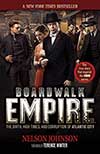
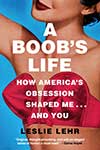
Notable authors include Nelson Johnson, author of Boardwalk Empire, which Martin Scorsese produced for HBO; Leslie Lehr, author of A Boob’s Life, which is currently being adapted for an HBO Max TV series by Salma Hayek; and Scott LeRette, author of The Unbreakable Boy, which was published by Thomas Nelson and is now a major motion picture by Lionsgate starring Patricia Heaton, Zachary Levi, and Amy Acker.
The founder of The Bestselling Author, Mark Malatesta, is a former literary agent, literary agency owner, AAR member, and Marketing & Licensing Manager for the gift and book publisher Blue Mountain Arts. He is now an author coach and consultant. Click here to see Mark Malatesta reviews.
About the Author
 The founder of The Bestselling Author, Mark Malatesta, is a former literary agent, literary agency owner, AAR member, and Marketing & Licensing Manager for the gift and book publisher Blue Mountain Arts. Mark is now a highly regarded author coach and consultant, dedicated to helping writers obtain literary agents. Drawing on decades of industry experience, he works with writers across genres, offering personalized coaching to navigate the complexities of the publishing world.
Through The Bestselling Author, Mark provides practical tools, industry insights, and motivational support tailored to each writer’s needs to help them do so. In addition to coaching, Mark shares his expertise through speaking engagements and online resources. His dedication to empowering authors has made him a trusted mentor in the writing community, earning him a reputation as a knowledgeable and approachable guide for writers pursuing their dreams. Click here for Mark Malatesta reviews.






 MARK MALATESTA is a former literary agent turned author coach. Mark now helps authors of all genres (fiction, nonfiction, and children's books) get top literary agents, publishers, and book deals through his company