

When should you get a literary agent? Some writers who ask that question aren’t weighing traditional publishing vs self-publishing or another option. They’re want to know their odds of getting a literary agent and whether they should invest time, heart, hope, uncertainty, and/or maybe money to try to get a literary agent—without knowing whether they’ll get an offer of representation.

The answer to that question is different for every author. At least it should be. So I wrote this article to help you decide: Should you query literary agents?
During my three decades in publishing—as a former literary agent and literary agency owner, former publishing executive, and now an author coach and consultant who has helped more than 450 writers receive offers from literary agents and/or traditional publishers—I’ve seen writers approach this decision in many ways.
The best place to start is with understanding what representation means to you, whether your expectations are realistic, and how committed you are.
Again, everyone is different.
Match your effort with your expectations—and make sure both are grounded in reality.
Seeking a literary agent can be likened to seeking a spot in the Olympics. Not just seeking a spot to perform in the Olympics, but a spot on the podium.
If you don’t get a gold, silver, or bronze medal you’re not a failure. Neither are your trainers, nutritionists, etc.
It’s hard to medal and there’s a lot of competition.
I wrote this article to serve as a heartfelt reality check to help you see if you should query literary agents, and to help you have the best chance of performing well if you do.
Quick Summary
You should probably query literary agents if representation matters enough to justify a serious, realistic attempt—and you can accept that even complete effort including professional support might not lead to requests, representation, or publication.
You might reasonably decide not to query, or not to query now, if the possibility doesn’t matter enough to justify the time, emotional energy, uncertainty, and possible expense involved.
A limited attempt to pursue representation and publication is legitimate. However, it provides only a limited test of what might have been possible.
Key Takeaways
- The answer to “Should I query literary agents?” is different for every writer.
- Wanting representation and being willing to pursue it fully aren’t the same.
- The greater your expectations, the more committed you should be.
- A limited effort can’t support a sweeping conclusion about a book’s potential.
- Fantasy and reality are both necessary.
- There’s much an author can do to increase the odds of getting an agent.
- No one can guarantee representation—or even requests for material.
- Professional help can improve the quality of the attempt but not control the outcome entirely.
- Writers are responsible for preparation, decisions, implementation, and persistence.
- Writers don’t control agent taste, timing, market conditions, or offers.
- A serious querying effort should be broad.
- Not getting an agent for one book doesn’t end a possible writing career.
- Writers who strongly want traditional publication might need to write and query more than one manuscript.
Table of Contents
- What Are You Really Asking When You Ask Whether to Query?
- Do You Genuinely Want Literary Representation?
- Match Your Effort With Your Expectations
- Four Levels of Commitment
- Fantasy and Reality Are Both Necessary
- No One Can Promise Representation—or Even Requests
- Is Your Book Ready for a Fair Opportunity?
- Are You Ready to Follow Through?
- What a Meaningful Querying Attempt Might Require
- Are You Willing to Query Enough Literary Agents?
- Consider the Time, Heart, Hope, and Money Honestly
- Professional Help Can Improve the Opportunity—Not Promise the Outcome
- Take Responsibility Without Assuming Total Control
- Stay Honest, Not Delusional
- Protect Your Perspective While Querying
- Treat Querying as a Serious but Bounded Campaign
- Know When to Continue, Pause, Revise, or Stop
- Think Beyond One Book
- What to Do If Literary Agents Don’t Say Yes
- Four Reasonable Answers to the Question
- Get Professional Help Deciding Whether—and How—to Query
- Final Thoughts
- Frequently Asked Questions About Whether to Query Literary Agents
- Get Help Deciding Whether to Query Literary Agents

Literary Agent or Publisher?
What are the pros and cons of literary agents and publishers or working with a literary agent vs publisher?
If you don’t get a literary agency to represent you, the only publishers who will publish your book are small- to medium-size traditional publishers—or vanity, hybrid, or self-publishing companies. Self-publishing and vanity publishers aren’t desirable to most writers because choosing one of those options means you must pay part or all of the cost to publish. In addition, most authors who choose one of those options sell less than 250 books.
Do I Need a Literary Agent?
Writers were once able to get book deals with major publishers without book agents. Now, with so many authors seeking publication, publishers rely on literary agents to send them what they believe are the best books.
Large and prestigious publishers such as Random House, Scholastic, and Thomas Nelson don’t accept unsolicited author submissions. Book agents are the gatekeepers responsible for writers getting their books in front of big publishers.
Are Literary Agents Worth It?
Consider these factors and tips to help you decide:
- Printing and Distribution: Book agents pitch publishers that get thousands, tens of thousands, or more books distributed in bookstores. Smaller publishers often only print hundreds or they simply make books available via print on demand (not bookstores).
- Marketing and Promotion: Author representatives seek publishers with money to spend on publicity and promotion. Smaller publishers usually hope for–and only rely on–reviews and word of mouth.
- Reach and Impact: Since publishing agents find publishers that print and distribute more books–and they promote their books more–their authors entertain and/or empower more readers.
- Prestige: Writers with book agents and major publishers are more respected, as are their books, since everyone knows it’s often difficult to get a literary agent and publisher.
- Money: Authors with literary agents usually make more money, since they pitch publishers that print and distribute more books, and promote their books more.
- Creative Control: Large publishers make decisions about book titles, cover design, pricing, etc. They also provide editorial suggestions. Some authors don’t like that, but major publishers have experience in those areas.
- Speed: One advantage of smaller publishers is they usually publish books faster. It takes time to get a literary agency to represent a manuscript, and it takes time to sell a manuscript to a major publisher. If you don’t have time to wait–or don’t want to wait–go directly to publishers.
1. What Are You Really Asking When You Ask Whether to Query?
The question “Should I query literary agents?” can mean different things:
- Is my book good enough?
- Is literary representation realistic for me?
- Can I tolerate rejection and uncertainty?
- Am I willing to do what the process might require?
- Is this the best use of my time?
- Will I regret not trying?
- How much effort would count as enough?
- Am I seeking a publishing opportunity—or validation?
- What would it mean about me if no agent said yes?
Those questions all different.
A writer who wants representation but fears rejection faces a different decision than someone who doesn’t value the opportunity enough to pursue it.
A writer wondering whether their manuscript is ready needs a different answer than one who has already queried extensively.
A writer who wants a traditionally published career is making a different decision than someone who is simply curious about what might happen with one manuscript.
Uncertainty about whether you’ll succeed isn’t the same as uncertainty about whether you should try.
Before deciding what to do, it’s best to identify your unique question(s) beneath the question.
2. Do You Really Want Literary Representation?
Some writers query because representation is a deeply meaningful professional goal. Others query because they assume that’s what serious writers are supposed to do.
Ask yourself what having a literary agent represents to you.
Possible reasons include:
- Access to publishers that generally don’t accept unagented submissions
- Contract negotiation
- Rights management
- Career guidance
- Editorial and strategic support
- Industry advocacy
- Greater publishing opportunities
- The possibility of wider distribution and visibility
- A long-held personal goal of traditional publication
Other desires might be understandable but not as strong a foundation:
- Proving that your book is good
- Proving someone else wrong
- Becoming a “real” writer
- Receiving permission to believe in your work
- Using representation as the sole measure of your talent
- Assuming an agent will solve every publishing problem
- Wanting the prestige without wanting the process involved
Representation shouldn’t be the only evidence that your writing has value, or that you have value.
Ask yourself:
- Would I continue wondering what might have happened if I didn’t try?
- Would a serious attempt matter to me even if it didn’t succeed?
- Do I want representation itself—or primarily the validation I imagine it would provide?
- Am I drawn toward the opportunity, or simply afraid to let it go?
- Would I be comfortable deciding not to query?
Some writers can choose not to query and feel completely at peace. Others will continue wondering because the possibility matters too much to leave unexplored. Neither response makes someone more or less serious as a writer.
3. Match Your Effort With Your Expectations
This is the most important principle related to this topic.
The greater your expectations, the more committed you should generally be—but your expectations should also be realistic.
There’s nothing wrong with deciding:
- I’ll send a small number of queries and see what happens.
- I’m not willing to revise the manuscript again.
- I can’t afford or don’t want to invest in professional assistance.
- I don’t want to spend a lot of time pursuing representation.
- Traditional publication isn’t important enough to me.
- I want to make a limited attempt and then move on.
Those can be legitimate choices.
The problem comes when writers make a limited effort but expect the result of a comprehensive one.
Someone who approaches agents and stops can say:
I queried 10% of the agents I could query and didn’t receive an offer.
Or:
I queried 85% of the agents I could query and didn’t receive an offer.
Neither of those writers can accurately conclude:
No literary agent wanted my book.
Similarly, an author who doesn’t prepare the strongest pitch material possible, do the best manuscript revisions they can, research broadly, or get help from someone qualified to help (paid or unpaid) hasn’t necessarily learned whether the book could have secured representation.
A limited effort is a legitimate choice but it only tells part of the story regarding the value and potential of a book.
Every writer is free to establish the limits of their commitment to their writing. They should also be honest about it—and interpret their outcome accordingly.
4. Four Levels of Commitment
Writers can approach querying with different levels of commitment. Understanding yours can help align your actions and expectations. If those two things are aligned, you’ll be more likely to succeed, and you’ll be more peaceful and productive along the way.
Level 1: “I’m Curious What Might Happen”
This writer might send a small number of queries without investing heavily in revision, research, or professional help. That’s legitimate but the appropriate conclusion afterward should also then be limited: “I approached some agents, and none offered representation.” The writer hasn’t tested every reasonable opportunity or created the strongest possible package.
Level 2: “I Really Want Representation for This Book”
This writer should generally be willing to:
- Make the manuscript as strong as reasonably possible
- Prepare effective submission materials
- Identify every plausible literary agent
- Query many or most of those agents via multiple rounds of querying and the many months required to do so
- Evaluate meaningful response patterns if there are any
- Revise when evidence supports revision
- Keep going after silence and form rejections
Level 3: “I Want to Give This Book Every Reasonable Chance”
This writer might also consider:
- A professional manuscript assessment
- Developmental or other appropriate editing
- Query, synopsis, or proposal assistance
- Coaching or consulting
- Help identifying category and positioning
- Help researching agents
- Guidance interpreting submission results
Professional assistance isn’t always necessary to get a literary agent. Nor does paying more prove a writer is more committed. But writers who want to reduce preventable weaknesses and take advantage of all opportunities often get help.
Level 4: “I Want to Give Myself the Best Chance of Having a Book Traditionally Published”
This commitment might require:
- Querying the current book completely
- Writing another book if this one doesn’t succeed
- Querying the next book
- Writing another if needed
- Continuing to improve craft, strategy, and market understanding
- Creating multiple opportunities over time
Sometimes this commitment might extend beyond one manuscript.
A writing career is sometimes a larger commitment than sending queries to literary agents for one book.
The greater the goal, the less reasonable it is to expect one manuscript or one brief querying campaign to lead to a book deal.
5. Dreams and Reality Are Both Necessary
Having helped hundreds of authors secure literary agents, I understand and appreciate the aspiration for representation and traditional publication.
Dreaming about representation allows writers to imagine:
- An agent loving their book
- Multiple offers of representation
- A traditional publishing contract
- A meaningful advance
- Wide distribution
- Strong reviews and sales
- Subsidiary-rights opportunities
- A long publishing career
- Readers being changed or entertained by their work
There’s nothing wrong with imagining those possibilities. Dreaming helps give writers courage, energy, and something worth pursuing.
Reality is equally important.
It says:
- Strong books get rejected.
- Agent decisions are subjective.
- Market timing matters.
- An excellent manuscript might not find representation.
- Professional assistance can increase the odds without guaranteeing success.
- The process might take longer than expected.
- A writer might need several manuscripts before one succeeds.
- Some factors will remain outside the author’s control.
Dreaming says, “This could happen for me.” Reality says, “It might not happen with this book, on my preferred schedule, or despite everything I do—including being part of a writers group and working with a book editor and/or an author coach/consultant.”
Mature/wise writers focus on both things at once and attempt to balance them. Dreaming makes the goal worth pursuing; reality keeps the act of trying to transform the dream into reality honest and sustainable.
My article about the odds of getting a literary agent explains why writers should focus less on abstract percentages and more on the many things they can do to improve their individual chances of securing representation.
6. No One Can Promise Representation—or Even Requests
No editor, consultant, coach, or other publishing professional can honestly guarantee that a writer will receive an offer of representation. No one can even guarantee that literary agents will request the author’s manuscript or other material.
For that reason, I don’t promise either outcome to writers who work with me. I wish I could. So do the writers who work with me. But, again, reality is reality.
That said, a professional can do a lot.
They can help improve:
- The manuscript
- The query
- The synopsis or proposal
- The book’s positioning
- The agent list
- The submission strategy
- The writer’s understanding of the process
- The interpretation of responses
- The quality and completeness of the attempt
Those improvements can increase a writer’s odds.
They can’t control:
- An agent’s personal taste
- What else the agent represents
- How full the agent’s list is
- What publishers appear to be buying
- Market timing
- Competing submissions
- Whether the agent believes they can sell the project
- Whether the right person encounters the book at the right moment
The absence of a guarantee doesn’t mean professional help lacks value. It means that service and the desired outcome are different things.
Expertise can improve the opportunity; it can’t control another person’s decision.
You’re deciding whether the possible outcome is important enough to justify an informed attempt—not securing certainty.
7. Is Your Book Ready for a Fair Opportunity?
A writer shouldn’t judge their book too harshly if they’re unable to secure literary representation and publication. They also shouldn’t judge the potential of their book after submitting a package that wasn’t ready.
Before beginning, consider whether:
- The manuscript or proposal is complete at the appropriate stage.
- The book’s category is accurate.
- The premise or promise is clear.
- The manuscript has been revised intelligently.
- The opening pages support the pitch.
- The query represents the book effectively.
- The synopsis or proposal materials are ready.
- The book delivers what the submission materials promise.
- The agent list will be broad and appropriate.
- Qualified feedback has been obtained when needed.
Your book doesn’t need to be perfect. It needs to be strong enough that the submission process is testing the book rather than an avoidable weakness in its preparation.
Querying a book that isn’t ready doesn’t give it a fair test; it simply tests the preparation.
8. Are You Ready to Follow Through?
A manuscript can be ready when the author isn’t.
Ask yourself:
- Am I willing to approach more than a small group of favorite agents?
- Am I willing to continue through silence and form rejections?
- Am I prepared to send additional rounds when the first ones don’t produce representation?
- Can I resist rewriting everything after one disappointing response?
- Am I willing to consider qualified feedback without treating it as a guarantee?
- Can I complete a strategy instead of stopping when the process becomes emotionally difficult?
- Can I accept progress that doesn’t immediately become an offer?
- Am I willing to write another book if this one doesn’t succeed?
- Can I avoid blaming myself or someone else for variables none of us control?
Fear is normal when you’re doing something important to you and you aren’t the only one in control of the outcome. Being ready doesn’t mean feeling certain, invulnerable, or endlessly optimistic. It means understanding the likely experience and deciding that the possibility remains worth pursuing to you personally.
Wanting the outcome and being ready for the process are different things.
9. What a Strong Querying Attempt Might Require
A complete effort doesn’t mean querying forever, sacrificing your health or family, spending unlimited money, or spending any money at all. It means doing what you decided was reasonable and necessary before disappointment tempts you to lower the standard you set for yourself or stop.
A meaningful representation effort might include:
- Completing and revising the manuscript or proposal properly
- Receiving qualified feedback
- Accurately identifying the category and audience
- Identifying the best comparable titles
- Writing an effective query
- Preparing the necessary synopsis or proposal materials
- Identifying every plausible literary agent
- Following individual agent submission requirements
- Interpreting response patterns intelligently
- Revising when meaningful evidence supports revision
- Following the plan through to its reasonable conclusion
Your personal version of the above might include less or more. The important point is to see the possibilities clearly and define them honestly.
Complete follow-through means completing the commitment you chose—not promising the process unlimited access to your life.
My guide to how to write a literary agent query letter explains how to create the best pitch letter.
10. Are You Willing to Query Enough Literary Agents?
Many authors imagine querying ten, twenty, or forty agents. Some succeed quickly, but many need to approach more. Many more.
Literary-agent decisions can be affected by:
- Taste
- Timing
- List needs
- Market concerns
- Existing clients
- Workload
- Category
- Voice
- Premise
- Sample pages
- Factors the writer might never learn
The more representation matters to a writer, the more they should identify every legitimate agent who might plausibly consider their type of book.
The free Directory of Literary Agents™ is the most comprehensive directory of legitimate U.S. literary agents available in print or online.
Before deciding whether to query, decide whether you’re willing to query enough agents to make the attempt meaningful.
There isn’t one correct number for every book. But approaching only some literary agents obviously can’t reveal what being fully committed and querying every agent—if needed—might have produced.
11. Consider Time, Heart, Hope, and Money Honestly
Querying requires more than sending email.
It can involve:
- Revision
- Query and synopsis development
- Agent research
- Guideline verification
- Online forms
- Tracking
- Responding to requests
- Evaluating results
- Additional revision
- Waiting
- Emotional recovery after disappointment
The process doesn’t need to consume every moment of every day. Efficient research, reusable materials, focused querying periods, and planned reassessment points can keep the process manageable. But the process often requires more than most writers imagine.
A lot more.
Writers should also consider the possible financial cost. Querying itself doesn’t require paying literary agents. Legitimate literary agents generally earn commissions after securing income for their clients. See the article: How Much Does a Literary Agent Cost?
However, some writers choose to pay for:
- Professional editing
- Manuscript assessment
- Query or proposal guidance
- Coaching or consulting
- Classes
- Conferences
- Memberships
- Research resources
- Travel
Establish:
- What you can comfortably afford
- What you’re unwilling to spend
- Which service might address a specific need
- What result the expenditure is intended to improve
- Whether the purchase increases readiness or merely soothes uncertainty
Writers with limited financial resources can still show commitment through study, revision, research, persistence, and follow-through.
Hope shouldn’t require an unlimited budget.
12. Professional Help Can Improve Your Chances Significantly—But It Can’t Promise A Specific Outcome
Writers who want to give a manuscript every reasonable opportunity might choose to work with:
- A developmental editor
- A copyeditor
- A proofreader
- A book-proposal specialist
- A query or submission specialist
- An author coach
- A publishing consultant
The right help depends on the book’s needs and the author’s goals.
For example, I help writers:
- Evaluate manuscript or proposal readiness
- Position the book
- Improve the query
- Develop a synopsis or proposal
- Identify appropriate agents
- Create a submission strategy
- Interpret responses
- Determine what should happen next
But the limits should be understood clearly.
Hiring a professional provides expertise, analysis, recommendations, strategy, and agreed-upon work. It isn’t buying agent requests or offers for representation and/or publication.
I don’t promise anyone who works with me that they’ll get a literary agent, and I don’t promise that agents will request their material.
I wish I could—but I can’t.
No one can promise those things.
A publishing professional can only provide their promised work competently, completely, and earnestly. The author must interpret their guidance, make decisions, implement what they believe is appropriate, and follow through. Neither person controls the marketplace or agent’s decisions.
It’s possible to work with one or more publishing professionals who help improve your material and/or strategy and not ultimately secure representation.
Don’t engage with anyone who promises guaranteed representation, publication, sales, or adaptations in exchange for payment. My article about the latest book scams targeting writers and authors shares what to watch out for and how to protect yourself.
13. Take Responsibility Without Assuming Total Control
Writers are responsible for many parts of the process:
- The work they create
- Whether they revise intelligently
- Whether they prepare thoroughly
- Which agents they approach
- How broadly they query
- Whether they follow instructions
- Which advice they implement
- Whether they complete the strategy
- What they write next
Writers don’t control:
- Whether an agent connects with the manuscript
- Whether the timing is favorable
- Whether the agent has room
- Whether publishers are buying that type of book
- Whether another client has a similar project
- Whether the book receives an offer
That understanding protects writers from two unhelpful extremes.
One is excessive self-blame:
I didn’t get an agent, so I must not be talented or good enough.
The other is blaming someone else:
Literary agents, my editor, my consultant, or the industry failed me.
Neither accurately describes a process involving both controllable and uncontrollable factors.
Accountability means owning what you can influence. It doesn’t mean blaming yourself—or anyone else—for what you can’t influence.
The smartest and most pragmatic writers ask:
- What did I do?
- What didn’t I do?
- What worked?
- What evidence did the process produce?
- What remains outside my control?
- What should I do next?
Accountability looks forward to taking the next useful step.
Blame is often an attempt to avoid it.
14. Stay Honest, Not Delusional
Being honest—not delusional—means understanding:
- Wanting representation intensely doesn’t guarantee it.
- Working hard doesn’t obligate an agent to say yes.
- Paying for assistance doesn’t purchase an outcome.
- Encouragement doesn’t equal a promise.
- Requests don’t guarantee an offer.
- Rejection doesn’t prove that the book lacks value.
- One manuscript doesn’t define a writing career.
- Better preparation can improve the odds substantially.
- Improved odds are still just odds.
Reality doesn’t destroy hope and dreams. It prevents hope and dreams from becoming entitlement, magical thinking, or a verdict on your worth and/or talent.
You can believe deeply in what might happen without pretending you know what will happen.
This perspective also reduces emotional roller coaster rides.
Writers shouldn’t interpret a literary agent request to read more material as proof that representation is imminent. They also shouldn’t interpret a rejection as proof that it’s impossible. Don’t let rejection kill your dreams—and remain encouraged by progress without confusing progress with a guaranteed destination.
15. Protect Your Perspective While Querying
Querying can involve:
- Anticipation
- Silence
- Form rejections
- Requests
- Encouraging comments
- Long waits
- Full-manuscript passes
- Comparisons with other writers
- Repeated uncertainty
Before starting, decide how you’ll protect your perspective.
That might involve:
- Checking responses at reasonable intervals
- Talking with supportive but grounded people
- Continuing to write
- Avoiding major revisions after one response
- Remembering what agent decisions can and can’t reveal
- Keeping records of what you completed
- Recognizing progress without demanding that it become an offer
- Maintaining important parts of life unrelated to publishing
Disappointment can also change how writers remember the process. A stronger manuscript, better query, useful guidance, requests, and encouraging comments can begin to seem worthless because none became the final outcome.
The writer might also forget where their own follow-through stopped.
Disappointment deserves compassion but it shouldn’t be given permission to rewrite the facts.
An honest assessment asks:
- Which parts of the strategy were completed?
- Which parts remained unfinished?
- Which variables remained outside everyone’s control?
My article How to Interpret and React to Literary Agent Rejections explains how to distinguish low-information outcomes from more meaningful response patterns.
16. Treat Querying as a Serious Campaign with a Clear Plan and Ending Point
Querying doesn’t need to become an indefinite test of your talent, worth, or commitment.
Before starting, define:
- The broad universe of appropriate agents
- The materials you’ll need
- The approximate querying schedule
- How much time you’ll devote to each round
- Your financial boundaries
- How you’ll interpret responses
- When you’ll reassess
- What would justify revision
- What would justify continuing
- What might eventually justify stopping
Having a clear plan doesn’t mean choosing an arbitrary, small number of agents or imposing an unrealistically short deadline. It means giving the book a comprehensive, realistic opportunity without allowing the process to become open-ended.
Your plan might be:
I’ll identify every plausible agent, prepare the strongest materials I reasonably can, send queries in periodic groups, evaluate meaningful patterns rather than isolated responses, and reassess after the appropriate agent universe has received a real opportunity.
That creates a serious commitment without requiring you to query indefinitely.
Give the book a fair chance. Don’t let the process take over your time, hope, bank account, or sense of self.
17. Know When to Continue, Pause, Revise, or Stop
Decisions are easier when you consider the possibilities before every rejection feels like an emergency.
Continue
Continuing might make sense when:
- The package is generating requests.
- Results are mixed but not clearly negative.
- Most responses are silence or form rejections.
- Much of the relevant agent list remains untested.
- No repeated actionable concern has emerged.
Pause
Pausing might be appropriate when:
- A meaningful number of suitable queries produces no requests.
- Multiple qualified professionals have suggested a similar action.
- You discover a serious error in your query or manuscript.
- Your category or positioning are incorrect.
- Your submission materials weren’t ready.
- Personal circumstances make continuing temporarily impractical.
Revise
Revision might be justified when:
- Evidence—not usually just silence and form letter rejections—identifies a probable problem.
- You can explain what the proposed change is intended to improve.
- The revision addresses the likely cause rather than merely reacting to disappointment.
- The potential improvement justifies delaying additional submissions.
Stop
Stopping might be reasonable when:
- You have queried all the agents or most of them.
- You no longer want the outcome enough to continue.
- Your priorities have changed.
- The emotional, practical, or financial cost of pursuing publication is exceeding your perceived value of pursuing it.
- You have enough information to choose another direction confidently.
Stopping after a legitimate attempt isn’t the same as quitting too soon, and continuing indefinitely isn’t necessarily courage.
18. Think Beyond One Book
The most committed writer takes the dream seriously without making one manuscript carry the entire responsibility of their publishing future.
Committed writers:
- Prepare thoroughly
- Work hard
- Seek qualified help when appropriate
- Query comprehensively
- Learn from evidence
- Avoid overreacting to individual responses
- Accept uncertainty
- Take responsibility without blaming themselves
- Avoid blaming people who helped them
- Write another book when necessary
- Try again
If the current book doesn’t secure representation, that doesn’t automatically mean:
- The dream was foolish.
- The author lacks talent.
- The publishing industry is corrupt.
- The people who helped the author failed.
- No future manuscript could succeed.
It means this manuscript didn’t produce an offer during this effort. That can be painful without becoming a final judgment or decision not to write more.
If this book doesn’t create the opportunity, the next book might.
Writers typically improve, sometimes dramatically, from one manuscript to the next. They also create new premises, enter different markets, and encounter different agents at different moments. A traditionally published writing career might require several attempts.
19. What to Do If Literary Agents Don’t Say Yes
If representation is your first publishing goal, consider this progression.
Complete the Current Agent Campaign
Give the manuscript the serious opportunity you decided it deserved.
Write Another Book
Apply what you learned and create another opportunity.
Query Literary Agents Again
A new book can produce a different response even when the author and general strategy remain the same.
Repeat When the Goal Still Matters
Some successful authors wrote and queried several manuscripts before one secured representation.
Consider Legitimate Publishers That Accept Unagented Work
Some traditional publishers accept submissions directly from authors. Focus on legitimate publishers that don’t charge authors fees to consider or traditionally publish their books. See The Best Ways to Publish a Book.
Then and Only Then, Consider Other Publishing Paths
After giving the traditional path the opportunity you wanted it to have, you might choose:
- Self-publishing
- A reputable hybrid publisher
- A reputable pay-to-publish company that provides worthwhile services
Hybrid and paid publishing arrangements require careful evaluation because quality, cost, distribution, rights, and value vary substantially.
Moving to another path at some point doesn’t mean you failed. It means you realize you can’t control everything but you’re still committed to your writing. At some point, it’s more important to get your writing in the hands of readers one way or another vs not at all.
The key is to give your book the best chance with the best options before exploring other options. Choose consciously instead of reacting prematurely.
20. Four Possible Answers to the Question, “Should I Query Literary Agents?”
Yes—Query Now
This might be appropriate when:
- You genuinely want representation.
- The manuscript and submission package are ready.
- You understand the uncertainty.
- You’re willing to approach enough agents.
- You can protect your perspective while doing it.
- Trying feels worthwhile.
Yes—But Prepare More First
This might be right when the desire is clear but:
- The manuscript needs work.
- The category or positioning is uncertain.
- The query or sample pages aren’t ready.
- The agent research is incomplete.
- Your expectations need adjustment.
- You aren’t prepared to follow through yet.
Not Yet
This might make sense when:
- Personal responsibilities require your attention.
- You need emotional or financial breathing room.
- You want qualified feedback first.
- You need to finish or revise the manuscript.
- You want to establish a future reassessment point.
“Not yet” can preserve the possibility without forcing a premature campaign.
No
This can be a responsible answer when:
- Representation doesn’t matter enough to you.
- You understand the opportunity and genuinely don’t want the process.
- You can choose another path without continuing to wonder.
- Trying does not feel worthwhile.
None of these answers proves greater talent, courage, confidence, or seriousness. The best answer is the one that accurately reflects your goals, expectations, capacity, and willingness to follow through.
21. Get Professional Help Deciding Whether—and How—to Query
As I explained above, professional guidance can’t predict or guarantee a final outcome. However, it can help make the decision and attempt more informed.
A knowledgeable assessment can help determine:
- Whether the book is ready
- Whether the category and positioning are accurate
- Whether the query and pages support each other
- Whether the project appears competitive
- What work should happen before querying
- How broad the agent universe might be
- What a fair campaign would require
- Whether professional editing would be useful
- Whether prior submission results justify revision
- Whether the writer is stopping prematurely
- Whether the writer is continuing without a clear reason
The value of professional guidance isn’t being told that you’ll succeed. It’s identifying problem areas and opportunities that will increase your chances of being successful.
Professional help is most appropriate when the information and guidance could improve your decisions—not when you’re looking for someone to remove uncertainty that no one can remove.
If you want help evaluating your manuscript, submission package, strategy, or readiness, you can learn more about working with me as an author coach and consultant.
You can read about writers who received offers from literary agents and publishers in the following How I Got My Literary Agent success stories.
Final Thoughts
Should you query literary agents?
- Query if representation matters enough to justify a serious, realistic attempt—and you can accept that even a complete effort might not succeed.
- Prepare more first if your desire is clear but your manuscript, materials, expectations, or strategy aren’t ready.
- Decide not to query or not to query now if the possibility doesn’t matter enough to justify what it might require.
What matters most is matching your effort with your expectations. Dream the dream, but don’t ignore reality. Stay hopeful, but also honest. Don’t be delusional. Work hard without treating hard work as a guarantee. Take responsibility without blaming yourself or other people for outcomes none of you can control. As one of my clients once told me, “Mark, tell your clients that you’re good but you’re not God.” That sums it up.
We’re powerful but we’re not omnipotent.
If your book doesn’t secure representation, decide what to do next. Write another. Try again. Approach legitimate publishers that accept unagented submissions. And, after giving the traditional path the opportunity you wanted it to have, consider other publishing options if they’re right for you.
Your effort can increase your odds. It can’t guarantee your outcome. Your expectations should honor both truths.
FAQ: Should You Query Literary Agents?
Should I query literary agents?
You should probably query if representation matters enough to justify a serious, realistic attempt and you can accept that even complete effort might not succeed. Prepare more first if your manuscript, submission materials, expectations, or willingness to follow through aren’t ready.
Is querying literary agents worth it?
It can be worth it when traditional representation is a meaningful goal and the possible opportunity justifies the time, uncertainty, emotional energy, and possible expense involved. The answer depends on your priorities and expectations.
How do I know whether my manuscript is ready to query?
The manuscript should be complete at the appropriate stage, revised intelligently, accurately categorized, and supported by a query and sample pages that represent it effectively. Qualified outside feedback can help when you’re uncertain.
How many literary agents should I query?
Try to identify every legitimate agent who might plausibly consider your type of book. The number varies by category, but a small group of apparent dream agents might not provide a fair test.
Should I query agents if I’m afraid of rejection?
Fear is normal and doesn’t automatically mean you should avoid querying. Consider whether you genuinely want representation and whether you can create a process that prevents rejection from becoming a judgment about your worth.
Can an editor or author consultant guarantee I’ll get an agent?
No. No honest professional can guarantee representation, requests for material, or publication. Professional assistance can improve the manuscript, submission package, strategy, and quality of the effort.
Does hiring a professional editor increase my chances?
The right editor might help address weaknesses that would otherwise reduce the manuscript’s competitiveness. However, improved work still doesn’t guarantee agent interest or representation.
Does working with an author coach or consultant guarantee agent requests?
No. Coaching or consulting can improve positioning, submission materials, agent research, strategy, and decision-making. It can’t control whether agents request or offer representation.
What if I can’t afford professional help?
Professional help isn’t the only evidence of commitment. Writers can improve through study, critique groups, careful revision, library and free resources, broad research, and persistent follow-through. Don’t spend money you can’t comfortably afford.
How long should I query before stopping?
The answer depends less on an arbitrary number of months than on whether you’ve approached the broad appropriate agent universe with a strong package and allowed the strategy a fair opportunity. Planned reassessment points can help.
Should I change my book after several rejections?
Not automatically. Silence and form rejections provide limited information. Look for meaningful response patterns and determine whether the likely issue involves the query, pages, manuscript, positioning, or targeting before revising.
What if literary agents request my manuscript but don’t offer representation?
Requests indicate that the query and premise are creating interest. Repeated full-manuscript passes might justify evaluating the complete manuscript, but each response should be interpreted in context.
Does not getting a literary agent mean my book isn’t good?
No. Quality matters, but representation also involves taste, timing, marketability, list needs, positioning, and other variables. Not receiving an offer doesn’t constitute a complete judgment of the book’s value.
Should I write another book while querying?
Yes, in many cases. Continuing to write protects perspective, builds skill, and creates another opportunity. Querying one manuscript doesn’t require suspending the rest of your writing life.
What should I do if no literary agents offer representation?
After completing a fair campaign, you might write and query another book, approach legitimate traditional publishers that accept unagented submissions, or later consider self-publishing or a carefully evaluated hybrid or paid publishing service.
Is deciding not to query the same as giving up?
No. Choosing not to query can be responsible when the opportunity doesn’t matter enough to justify the investment. The important thing is making the decision consciously rather than allowing fear or inaccurate expectations to make it for you.
When Should You Get a Literary Agent? – Next Steps
Now that you know the answer to the question, “Do you need a literary agent?” and “When should you get a literary agent?” click here to:
- See the next part of this guide to getting a book agent about the Odds of Getting a Literary Agent.
- Visit our Ask a Book Agent page, where you’ll find a complete list of questions and answers about getting a publishing agent.
About
This article, “Should I Query Literary Agents?” was written by a former literary agent turned author coach. Mark Malatesta is the creator of The Directory of Book Agents, host of Ask a Publishing Agent, and founder of Literary Agent Undercover and The Bestselling Author.
Mark has helped hundreds of authors get offers from literary agents and/or traditional publishers. Writers of all Book Genres have used our Book Agent Advice coaching/consulting to get Top Literary Agents at the Best Literary Agencies on our List of Literary Agents.
The Bestselling Author, LLC
 Established in 2011, The Bestselling Author has helped 400+ authors get literary agents and/or traditional publishers. Writers who’ve worked with Literary Agent Undercover, a division of The Bestselling Author, have gotten six-figure book deals; been on the New York Times bestseller list; had their books adapted for TV, stage, and feature film; had their work licensed in 40+ countries; and sold many millions of books.
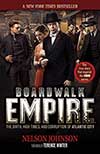
Notable authors include Nelson Johnson, author of Boardwalk Empire, which Martin Scorsese produced for HBO; Leslie Lehr, author of A Boob’s Life, which is currently being adapted for an HBO Max TV series by Salma Hayek; and Scott LeRette, author of The Unbreakable Boy, which was published by Thomas Nelson and is now a major motion picture by Lionsgate starring Patricia Heaton, Zachary Levi, and Amy Acker.
The founder of The Bestselling Author, Mark Malatesta, is a former literary agent, literary agency owner, AAR member, and Marketing & Licensing Manager for the gift and book publisher Blue Mountain Arts. He is now an author coach and consultant. Click here to see Mark Malatesta reviews.
About the Author
 The founder of The Bestselling Author, Mark Malatesta, is a former literary agent, literary agency owner, AAR member, and Marketing & Licensing Manager for the gift and book publisher Blue Mountain Arts. Mark is now a highly regarded author coach and consultant, dedicated to helping writers obtain literary agents. Drawing on decades of industry experience, he works with writers across genres, offering personalized coaching to navigate the complexities of the publishing world.
Through The Bestselling Author, Mark provides practical tools, industry insights, and motivational support tailored to each writer’s needs to help them do so. In addition to coaching, Mark shares his expertise through speaking engagements and online resources. His dedication to empowering authors has made him a trusted mentor in the writing community, earning him a reputation as a knowledgeable and approachable guide for writers pursuing their dreams. Click here for Mark Malatesta reviews.








 MARK MALATESTA is a former literary agent turned author coach. Mark now helps authors of all genres (fiction, nonfiction, and children's books) get top literary agents, publishers, and book deals through his company