

Many writers have heard the question, “Are you a plotter or a pantser?” but there’s more to it than that. In other words, it’s not just about whether you outline before you write, or if you write “by the seat of your pants” and discover your book as you go. There are actually three types of writers—not just two—and the third type is most likely to succeed.

Plotters plan before they write. Pantsers figure out where they’re going as they go. Either way, you can be a successful writer, but there’s a better third option. Not too rigid and not too chaotic. A balanced approach that blends both worlds.
The best—and most efficient—writers use both structure and discovery. They know when to plan, when to draft, when to revise, when to step back, and when to change the plan because the manuscript has revealed something better.
So the real question isn’t Which type of writer are you?
It is: Which part of your writing process needs to become stronger?
Quick Summary
There are three types of writers: plotters, pantsers, and plantsers.
Plotters like to plan before they write. Pantsers like to discover by writing. Plantsers do both.
Each approach has advantages and disadvantages. Plotting can create clarity, structure, and efficiency, but too much plotting can make writing feel rigid. Pantsing can create energy, surprise, and discovery, but too much pantsing can lead to wandering drafts and years of inefficient revision.
The strongest writers usually become more balanced. They learn when to plan, when to draft, when to revise, when to step back, and when to create a written map of the book before rewriting more pages.
That same balanced approach can also help authors trying to get a literary agent, because querying works best when writers combine strong preparation with intelligent flexibility.
Key Takeaways
- There aren’t just two types of writers. There are three: plotters, pantsers, and plantsers.
- Plotters plan before they write, which can create clarity, structure, and momentum.
- Pantsers discover by writing, which can create energy, surprise, and emotional truth.
- Hardcore pantsing can become a problem when writers refuse to use outlines, summaries, book maps, or revision plans, even when the manuscript clearly needs structure.
- Plantsers combine the best parts of plotting and pantsing.
- Written plans help writers see the whole book more clearly before spending months or years revising.
- Written plans also help editors, literary agents, book coaches, consultants, and collaborators give more useful feedback.
- Trying to get a literary agent also requires a balanced approach: clear strategy plus flexibility.
Table of Contents
- Three Types of Writers: Plotters, Pantsers, and Plantsers
- The Same Three Approaches Show Up Everywhere in Life
- Type 1: Plotters
- The Pros of Being a Plotter
- The Cons of Being a Plotter
- Type 2: Pantsers
- The Pros of Being a Pantser
- The Cons of Being a Pantser
- The Hardcore Pantser Problem
- Why This Matters
- Type 3: Plantsers
- The Pros of Being a Plantser
- The Cons of Being a Plantser
- Why Written Plans Matter When You Work With Someone Else
- You Might Be Too Much of a Plotter If…
- You Might Be Too Much of a Pantser If…
- You Might Be a Plantser If…
- How Plotters Can Become More Balanced
- How Pantsers Can Become More Balanced
- The One-Page Plantser Exercise
- A Plantser Approach Can Help You Get a Literary Agent as Well
- Get 1-on-1 Support for Pitching Literary Agents
- Final Thoughts
- Next Steps
- Frequently Asked Questions

Three Types of Writers: Plotters, Pantsers, and Plantsers
Writers often use labels to describe their creative process. Some proudly call themselves plotters, others pantsers. Some writers use the term plotter vs. pantser to describe the difference between planning and improvising. But the most useful label or approach is a third one that I’ve used during my time as a literary agent and, more recently, as an author coach and consultant helping authors get literary agents: plantser.
A plantser is a writer who combines planning and discovery. They’re not so rigid that they refuse to adapt. They’re not so improvisational that they refuse to create structure. That balance is important because writing a book is always complex and almost always complicated. So is revising one. Same goes for pitching a book and trying to get a literary agent.
Books require what seem like opposing forces. Imagination, creativity, freedom, and flexibility on one hand. Clarity, decisiveness, focus, and structure on the other.
The best writers dance between both worlds.
The best writers don’t defend their process. They refine it.
The Same Three Approaches Show Up Everywhere In Life
Writers sometimes talk about plotting and pantsing as if writing is the only area where people choose between planning and improvising.
But we make this choice all the time.
Taking a Trip
A plotter plans the route, books the hotel, checks the weather, researches restaurants, and knows the schedule.
A pantser gets in the car and sees what happens.
A plantser knows the destination, books the essentials, has a general route, and leaves room for detours, discoveries, and changes.
The best trip usually isn’t the one where every minute is controlled or the one where nothing is planned. It’s the one with enough structure to avoid disaster and enough freedom to enjoy the unexpected.
Writing a book is similar.
If you plan every sentence too tightly, the manuscript may lose energy. If you plan nothing, you may get lost. But if you know where you’re trying to go and remain open to discovery, you give yourself a better chance of finishing well.
Remodeling a House
A plotter wants blueprints, measurements, permits, estimates, timelines, and a budget before work begins.
A pantser starts knocking down walls and figures things out along the way.
A plantser starts with a plan, but adapts when the contractor finds bad wiring, hidden damage, a structural issue, or a better layout.
If you’re changing one light fixture, you might get away with winging it.
If you’re rebuilding the whole house, winging it can become expensive fast.
The same is true with a book. If you’re revising one paragraph, you may not need a detailed plan. If you’re restructuring an entire manuscript, you probably do.
Starting a Business
A plotter writes a business plan, studies the market, defines the customer, builds projections, and maps the launch.
A pantser has an idea and starts selling, hoping to figure it out as they go.
A plantser creates a strategy, launches, studies the response, and adjusts based on what the market reveals.
That balanced approach usually works best because a plan doesn’t guarantee success, but it improves the odds. It helps you make better decisions, recognize problems sooner, and adjust with purpose instead of panic.
Writing and publishing are similar.
A book is creative, but it’s also strategic. It needs inspiration, but it also needs structure, positioning, revision, and a clear reader promise.
Type 1: Plotters
A plotter is a writer who likes to plan before drafting.
Those plans can be detailed or simple. They might include a chapter-by-chapter outline, a table of contents, a synopsis, a book proposal, a timeline, a scene list, a list of turning points, a revision plan, or a one-page book map.
Plotters usually want to know where the book is going before they write too much of it.
That can be a tremendous advantage.
The Pros of Being a Plotter
Plotting helps writers see the book before spending months or years drafting hundreds of pages.
For nonfiction writers, plotting can help clarify the book’s promise to the reader, target audience, chapter sequence, argument, takeaways, and overall structure.
For memoir writers, plotting can help identify the central transformation, major turning points, emotional arc, and which life events belong in the book—and which ones don’t.
For novelists, plotting can help with pacing, escalation, stakes, character development, cause and effect, and making sure the ending feels earned.
Plotting can also prevent wasted time. A writer might realize, after creating an outline, that the strongest material is buried too late, the middle repeats too much, the opening starts in the wrong place, or the ending doesn’t yet deliver on the beginning.
That’s useful information.
It’s much easier to move chapters, scenes, sections, arguments, or major developments in an outline than it is to rewrite an entire manuscript.
A strong plan can also create momentum. It can help the writer feel less overwhelmed. It can make the book feel more manageable.
Plotting can also make collaboration easier as well. If a writer is working with a literary agent, editor, book coach, consultant, collaborator, or writing group, a written plan gives everyone something concrete to discuss.
A book that exists only in the author’s head is hard to evaluate.
A written plan makes the invisible visible.
The Cons of Being a Plotter
Plotting can also become a problem.
Some writers never stop planning because planning feels easier and safer than writing. They create outlines, revise outlines, expand outlines, rethink outlines, and organize notes endlessly—but never finish the book.
In that case, plotting becomes procrastination.
Plotters can also become too rigid. They might ignore better ideas because those ideas weren’t in the original plan. They might force something(s): a chapter, scene, example, character, argument, or conclusion to behave the way the outline said it should, even when the writing itself is pointing somewhere better.
That can make a manuscript feel too controlled, predictable, over-engineered, or lifeless.
A plan should serve the book. The book shouldn’t become a prisoner of the plan.
The best plotters understand that an outline is a tool, not a rule.
Type 2: Pantsers
A pantser writes “by the seat of their pants.”
Instead of planning everything first, pantsers often begin with something that interests them: a voice, image, question, problem, memory, character, scene, argument, experience, premise, theme, or emotional situation.
Then they write to discover what the book wants to become.
Some writers are proud pantsers. They feel that outlines kill creativity. They don’t want to know too much before they begin. They want the writing process to stay alive, surprising, and open. Writer’s Digest explains the pantser approach as one way writers describe drafting through discovery.
That can also be a tremendous advantage.
The Pros of Being a Pantser
Pantsing can create energy.
Because pantsers are discovering the material while they write, their work can feel fresh, immediate, and alive. They may stumble into unexpected connections, deeper insights, stronger scenes, more honest emotions, better examples, sharper arguments, or more surprising developments than they would have found through planning alone.
For nonfiction writers, free drafting can help reveal what they really think. Sometimes an author doesn’t fully understand the strongest idea in a book until they write their way toward it.
For memoir writers, pantsing can uncover emotional truths that wouldn’t appear in a tidy outline. Memory doesn’t always arrive in perfect order. Sometimes the writer has to follow the heat.
For novelists, pantsing can lead to character choices, conflicts, twists, and moments that feel organic instead of forced.
Discovery can be an important—or even critical—part of the writing process.
A writer who never allows discovery may produce a manuscript that is organized but not alive. Pantsers are often good at staying open to the unexpected.
The Cons of Being a Pantser
Pantsing can also create serious—or even critical—problems.
A manuscript written entirely through discovery may wander or ramble. It may repeat itself. It might have a strong opening but a weak middle. It might delay the central promise too long. It might bury the best material. It might introduce threads that never pay off. It might have an ending that feels accidental instead of earned.
The writer might end up with hundreds of pages before fully understanding what the book is about.
That’s inefficient and it can make revision difficult.
Instead of revising from a clear plan, the writer keeps rewriting the manuscript, hoping the next draft will reveal the solution. Sometimes it does. Other times—as you might imagine or already know from experience—it doesn’t.
Discovery is valuable, but discovery without structure can become chaos and confusion.
The Hardcore Pantser Problem
To be clear, pantsing itself isn’t the problem.
Many wonderful writers use discovery as a major part of their process. Some don’t outline before the first draft. Some need to write freely before they can understand the shape of the book.
That’s fine.
The problem is hardcore pantsing—when a writer can’t or won’t use any planning tools, even when the manuscript clearly needs them.
These can be some of the most difficult writers for literary agents, editors, book coaches, and consultants to help.
Not because they lack talent. Often, they’re very talented. The problem is that they resist making the book visible.
Some hardcore pantsers say the only way they can know whether a book is improving is to revise the manuscript itself. So instead of first diagnosing the problem, mapping the book, testing possible solutions, and creating a revision plan, they rewrite the entire manuscript again.
Then they do it again.
And again.
I’ve seen authors take years revising books this way when they could have made much faster progress by stepping back and creating a clearer plan.
If the problem is structural, rewriting pages may not solve it. The author might just create a smoother, cleaner, more polished version of the same flawed book.
That’s why outlines, summaries, book maps, chapter plans, and revision strategies are a good idea.
Before you rewrite the whole manuscript, you might need to rewrite the map. You might be better off rewriting the map.
Think of it this way: revising without a plan is like renovating a house without looking at the floor plan. You might work very hard. You might spend a lot of time. You might make some parts look better. But if the rooms are in the wrong place, the house still won’t work.
A manuscript can be the same way.
If the opening starts too late, the middle repeats, the strongest material is buried, the reader promise is unclear, the argument doesn’t build, the stakes are too weak, or the ending doesn’t pay off the beginning, those are not just sentence-level problems.
They’re design problems.
And design problems often need to be solved before rewriting the pages.
Type 3: Plantsers
A plantser combines planning and pantsing.
The word blends “planner” and “pantser,” and it describes a writer who uses both approaches. A plantser creates enough structure to avoid chaos, but stays flexible enough to make discoveries along the way.
That doesn’t mean every writer needs the same amount of planning. Some plantsers use detailed outlines. Others use loose roadmaps. Some outline before drafting. Others draft first, then outline before revising.
The point isn’t the exact method.
The point is consciouisly seeking the best balance for your book and the way you’re built.
Plantsers understand that creativity and structure aren’t enemies. They know a book can be planned and still surprise the writer. They know an outline can be useful without being permanent. They know revision works better when the writer can step back and see the whole manuscript.
A plantser might say:
I don’t need to know everything before I write, but I’m willing to create a plan when the book needs one.
That’s a healthy writing process.
The Pros of Being a Plantser
Plantsers get the best of both approaches.
They can draft with excitement and revise with clarity. They can follow a plan, but change it when the manuscript reveals something better. They can stay open to surprise without getting completely lost.
Plantsers are also easier to support.
That matters more than many writers realize.
If an author wants feedback from an editor, literary agent, book coach, consultant, collaborator, or trusted reader, it helps to have something written down that shows what the book is trying to do.
A plantser is willing to create that.
They may write a one-page overview, a chapter outline, a proposal, a synopsis, a table of contents, a revision map, or a list of questions they’re trying to solve.
That makes the conversation more specific and more productive.
Instead of saying, “Something feels off,” the person helping can say:
- The opening starts too late.
- The middle is repeating the same point.
- The chapter order is weakening the argument.
- The protagonist’s change isn’t clear enough.
- The memoir is trying to cover too many years.
- The nonfiction promise needs to be sharper.
- The ending doesn’t yet deliver what the beginning promises.
- The strongest material should appear earlier.
That’s the value of making the book visible.
The Cons of Being a Plantser
Being a plantser has challenges too.
Some writers use “I’m a little of both” as an excuse to avoid committing. They outline a little, draft a little, change their mind, rewrite a little, rethink the premise, change direction again, and never finish.
That’s not balance—it’s indecision.
Being a plantser doesn’t mean changing direction every time writing gets hard. It means knowing which tool the book needs next.
Each book is different, and each stage of the writing and rewriting process might require something different.
The key, always, from the idea stage to final draft, is balance.
Balance doesn’t mean avoiding commitment. It means learning when to plan, when to write, when to revise, and when to step back.
Plantsers don’t choose between freedom and structure. They use both.
You Might Be Too Much of a Plotter If…
You might be relying too much on plotting if:
- You keep creating outlines but don’t finish chapters.
- You need certainty before you begin.
- Your manuscript feels organized but not alive.
- You resist better ideas because they weren’t in the plan.
- You spend more time preparing to write than writing.
- You’re more attached to the outline than to the book.
- You use planning to avoid the discomfort of an imperfect draft.
- You’re afraid the manuscript will get messy, so you never let it breathe.
Planning is useful, but it can also become avoidance. A good plan should create momentum, not replace it. If you’re a natural plotter, allow more discovery.
Try writing a chapter, scene, section, or example without checking your outline. Let the material surprise you. Then compare what emerged with the original plan. You might realize that your plan was good—but the draft knows something the plan didn’t.
You Might Be Too Much of a Pantser If…
You might be relying too much on pantsing if:
- You have several unfinished drafts.
- Your manuscript has a strong opening but a wandering middle.
- You keep rewriting pages without solving the larger problem.
- Readers say the writing is good but they’re not sure where the book is going.
- You resist summaries, outlines, chapter plans, or revision maps.
- You say you can only understand the book by rewriting it again.
- You’ve spent months or years revising without creating a clear structural plan.
- You confuse inspiration with strategy.
- You believe planning will kill the book, even when the lack of planning is hurting it.
Freedom is useful, but freedom without direction can create unnecessary confusion and revision. If you’re a natural pantser, create more structure. You don’t need to outline everything before you write, but you should plan more than what you’ve previously.
Before writing or rewriting, take a beat.
Summarize what you have. Identify the central promise. Write chapter summaries. Create a one-page book map. List the biggest structural issues. Test possible changes in outline form before spending months drafting them.
You don’t need to stop being creative—please don’t—just complement your creativity with a bit more vision and structure.
You Might Be a Plantser If…
You might already be a plantser if:
- You’re willing to outline, but you don’t worship the outline.
- You draft freely, but you stop to assess what you’ve created.
- You can summarize your book without feeling trapped by the summary.
- You revise the plan when the manuscript reveals something better.
- You can talk about your book in concrete terms.
- You’re willing to diagnose problems before rewriting pages.
- You use both intuition and strategy.
- You understand that creativity and structure can work together.
Plantsers don’t choose between freedom and structure.
They use both.
That doesn’t mean the process is always easy. Writing a book is hardly ever easy. But the plantser approach always makes the process more balanced: efficient, focused, and collaborative.
How Plotters Can Become More Balanced
If you’re a natural plotter, try the following:
- Write one chapter, scene, or section without looking at your outline.
- Let a character, example, memory, argument, or idea develop further than planned.
- Ask whether the outline still serves the book.
- Revise the outline after drafting instead of forcing the draft to obey the old plan.
- Look for places where the manuscript feels technically correct but emotionally flat.
- Ask whether the book needs more surprise, tension, humanity, vulnerability, or discovery.
Plotters often need to remember that discovery isn’t a threat to structure. Discovery can make the structure better.
How Pantsers Can Become More Balanced
If you’re a natural pantser, try the following:
- Pause after several chapters and summarize what you’ve written.
- Create a one-page book map.
- Write chapter summaries.
- Identify the reader promise.
- Name the central question, conflict, argument, or transformation.
- Make a revision plan before rewriting the manuscript.
- Test structural changes in outline form before spending months drafting them.
- Ask what each chapter contributes to the whole.
- Track repetition, gaps, pacing issues, and unresolved threads.
Pantsers often need to remember that structure doesn’t kill creativity. Used well, structure protects creativity.
The One-Page Plantser Exercise
Here’s a simple exercise for any writer who wants a more balanced writing process.
Create a one-page book map that includes:
- Working title: What is the current title or working title?
- Genre or category: Where would this book fit in the marketplace?
- Primary audience: Who is the book for?
- Core premise or main idea: What is the book essentially about?
- Reader promise: What experience, insight, transformation, entertainment, information, or value are you promising the reader?
- Beginning: Where does the book start, and why?
- Middle: How does the book develop, deepen, complicate, or build?
- Ending: Where does the book leave the reader?
- Central question, conflict, argument, or transformation: What drives the book forward?
- Major developments: What are the most important turns, discoveries, arguments, events, lessons, or changes?
- Biggest structural problem: What currently feels weakest or least clear?
- What changes by the end: What is different at the end compared to the beginning?
- What still feels unclear: What questions do you still need to answer?
- Next three revision priorities: What should you fix first, second, and third?
This exercise doesn’t need to be perfect.
As with everything else in writing, it simply needs to be useful.
The purpose of a plan isn’t to contro the book. It’s to help you see what’s most important about your book.
A Plantser Approach Can Help You Get a Literary Agent As Well
Some authors approach the literary agent search process like pantsers. They write a query letter, send it to agents, and see what happens. Maybe they research a few names. Maybe they send to whoever looks good. Maybe they adjust if they get rejections. Maybe they don’t.
That’s winging it.
Yes, publishing is subjective, there’s uncertainty, and no one can guarantee that a literary agent will offer representation. But that doesn’t mean the process should be treated in a random, cavalier, or non-committal way.
A more strategic approach is closer to plotting.
Before querying agents, authors should try to clarify the book’s category, audience, hook, positioning, comparable titles, query letter, proposal or synopsis, opening pages, agent list, submission order, and follow-up strategy.
That doesn’t remove all uncertainty.
Nothing can do that.
But it gives the author much better odds of getting a literary agent.
And the best approach is still plantser-like because authors also need flexibility when querying. Agents often say something or asking for something that requires adaptation. More plotting, not pantsing, in that scenario.
Authors also need to understand how to find a literary agent, how to approach literary agent submissions, when might be the best time to submit to literary agents, and how to interpret and react to literary agent rejections.
That’s one reason authors sometimes work with someone like me before querying literary agents.
The goal is to approach the process with as much clarity, strategy, and professionalism as possible—instead of winging it and hoping the right agent somehow sees through a weak pitch, unclear positioning, or underdeveloped submission plan.
Getting a literary agent is difficult enough when you do everything well. It’s much harder when you’re improvising the whole process.
Get 1-on-1 Support for Pitching Literary Agents
If you want help understanding how literary agents might see your book, query letter, synopsis, proposal, or platform, schedule a 1-on-1 introductory coaching / consulting call. As a former literary agent who has helped 450+ writers get literary agents and/or traditional publishers, I can help you identify the best agents for your book, improve your query materials, and create the best submission strategy: explore 1-on-1 author coaching and consulting.
Final Thoughts
So, which type of writer are you?
A plotter?
A pantser?
A plantser?
The answer matters less than what you do next.
If you’re a plotter, make sure your plan isn’t preventing discovery.
If you’re a pantser, make sure your freedom isn’t preventing structure.
If you’re a plantser, keep strengthening both sides of your process.
The best writers don’t blindly follow a process. They examing and improve it. They ask what the book needs now.
- Sometimes it needs more imagination.
- Sometimes it needs more discipline.
- Sometimes it needs more drafting.
- Sometimes it needs more planning.
- Sometimes it needs a written outline.
- Sometimes it needs outside perspective.
- Sometimes it needs the writer to step back and look at the whole manuscript before rewriting another page.
Your natural process matters, but it shouldn’t confine or limit you.
The strongest writers know when to dream, when to draft, when to plan, when to revise, and when to change direction because the book has revealed something better.
That’s often where better books begin.
And it’s often where better publishing results begin as well.
Next Steps
If you’re trying to write, revise, or get a literary agent for your book, ask yourself which part of your process needs to become stronger.
If you’re mostly a plotter, you may need to allow more discovery. Your outline might be useful, but the manuscript still needs life, surprise, and emotional truth.
If you’re mostly a pantser, you may need more structure. Before rewriting the manuscript again, create a clearer book map, chapter outline, proposal strategy, or revision plan.
If you’re trying to get a literary agent, don’t simply wing it. A stronger strategy can help you clarify your book’s category, audience, hook, comparable titles, query letter, proposal or synopsis, opening pages, agent list, and submission plan.
To learn more, read:
FAQ: Plotters, Pantsers, and Plantsers
What are the three types of writers?
The three types of writers are plotters, pantsers, and plantsers. Plotters plan before they write. Pantsers discover by writing. Plantsers combine both approaches.
What is the difference between a plotter and a pantser?
A plotter usually outlines or plans before drafting. A pantser usually writes by discovery, figuring out the book during the drafting process. Both approaches can work, but each has strengths and weaknesses.
What is a plantser writer?
A plantser is a writer who uses both planning and discovery. Plantsers create enough structure to stay focused, but they remain flexible enough to let the book change and improve during drafting or revision.
Is it better to be a plotter or a pantser?
Neither approach is always better. Plotting can create clarity and structure, while pantsing can create energy and discovery. Many of the strongest writers learn to use both approaches.
Can too much pantsing hurt a book?
Yes. Too much pantsing can lead to wandering drafts, repetition, weak structure, unclear reader promise, and years of inefficient revision. Writers who resist outlines, summaries, or revision plans may keep rewriting pages without solving the larger problem.
How does this apply to getting a literary agent?
Getting a literary agent also requires both strategy and flexibility. Authors should prepare carefully by strengthening the manuscript, query letter, proposal or synopsis, comparable titles, positioning, opening pages, agent list, and submission plan, while also being willing to adjust if agents aren’t responding.
About
This article about “Plotters, Pantsers, and Plantsers” was written by a former literary agent turned author coach. Mark Malatesta is the creator of The Directory of Book Agents, host of Ask a Publishing Agent, and founder of Literary Agent Undercover and The Bestselling Author.
Mark has helped hundreds of authors get offers from literary agents and/or traditional publishers. Writers of all Book Genres have used our Book Agent Advice coaching/consulting to get Top Literary Agents at the Best Literary Agencies on our List of Literary Agents.
The Bestselling Author, LLC
 Established in 2011, The Bestselling Author has helped 400+ authors get literary agents and/or traditional publishers. Writers who’ve worked with Literary Agent Undercover, a division of The Bestselling Author, have gotten six-figure book deals; been on the New York Times bestseller list; had their books adapted for TV, stage, and feature film; had their work licensed in 40+ countries; and sold many millions of books.
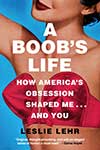
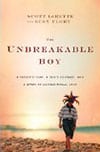
Notable authors include Nelson Johnson, author of Boardwalk Empire, which Martin Scorsese produced for HBO; Leslie Lehr, author of A Boob’s Life, which is currently being adapted for an HBO Max TV series by Salma Hayek; and Scott LeRette, author of The Unbreakable Boy, which was published by Thomas Nelson and is now a major motion picture by Lionsgate starring Patricia Heaton, Zachary Levi, and Amy Acker.
The founder of The Bestselling Author, Mark Malatesta, is a former literary agent, literary agency owner, AAR member, and Marketing & Licensing Manager for the gift and book publisher Blue Mountain Arts. He is now an author coach and consultant. Click here to see Mark Malatesta reviews.
About the Author
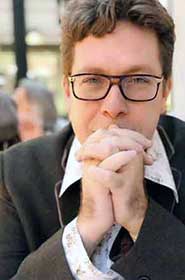 The founder of The Bestselling Author, Mark Malatesta, is a former literary agent, literary agency owner, AAR member, and Marketing & Licensing Manager for the gift and book publisher Blue Mountain Arts. Mark is now a highly regarded author coach and consultant, dedicated to helping writers obtain literary agents. Drawing on decades of industry experience, he works with writers across genres, offering personalized coaching to navigate the complexities of the publishing world.
Through The Bestselling Author, Mark provides practical tools, industry insights, and motivational support tailored to each writer’s needs to help them do so. In addition to coaching, Mark shares his expertise through speaking engagements and online resources. His dedication to empowering authors has made him a trusted mentor in the writing community, earning him a reputation as a knowledgeable and approachable guide for writers pursuing their dreams. Click here for Mark Malatesta reviews.




 MARK MALATESTA is a former literary agent turned author coach. Mark now helps authors of all genres (fiction, nonfiction, and children's books) get top literary agents, publishers, and book deals through his company