

There are more writing organizations for authors than most writers realize. You can save a lot of time, stress, and money with the support of a professional organization. Unlike other articles that simply feature a list of writing organizations, this one will also help you determine which organizations are the best for you and your writing.
Some writing organizations focus on community, education, networking, and publishing opportunities. Others focus on things like contracts, rights, and legal issues. And others focus on specific genres such as mystery, romance, or science fiction. There are also professional organizations that provide support for nonfiction writers, journalists, or freelance professionals.
This guide to writing organizations for authors doesn’t just highlight the most important writing organizations across fiction, nonfiction, and professional writing. It explains what each type of organization does, which ones are relevant to you, and how they might support your writing goals—whether that’s getting published, building a platform, earning income, or protecting your work.
This information about writer organizations is part of our free guide about How to Get a Literary Agent, for writers of all book genres.
Quick Summary
Writing organizations can help authors learn faster, avoid mistakes, find opportunities, understand publishing, and connect with other serious writers. Some organizations are broad and professional, such as the Authors Guild, PEN America, AWP, Poets & Writers, the National Writers Union, and Authors Alliance. Others focus on specific categories such as mystery, romance, science fiction, fantasy, horror, Christian fiction, children’s books, memoir, biography, journalism, self-publishing, or business writing.
You don’t need to join a writing organization to get a literary agent or publisher. But the right organization can help you become more informed, more connected, and more professional. The key is choosing organizations that match your writing category, career stage, publishing path, and goals—not joining everything, or assuming membership alone will change your career.
Key Takeaways
- You don’t need to join a writing organization to get published.
- The right organization can help you learn faster, avoid mistakes, and find opportunities.
- Different organizations serve different purposes: rights, contracts, community, education, advocacy, genre support, business support, or professional development.
- The best writing organization for you depends on your writing category, career stage, publishing path, and goals.
- Membership matters less than participation.
- Free resources may be enough when you’re starting out.
- Paid membership is usually most valuable when it solves a real problem, such as contract questions, genre education, networking, or professional support.
- Be cautious of groups that promise easy publishing success or charge high fees without clear benefits.
Table of Contents
- What Are Writing Organizations—and Why Do They Matter?
- What Writing Organizations Generally Don’t Tell You
- What Most Writers Expect vs. What Actually Happens
- The Real Value of Writing Organizations
- Major Writing Organizations Every Author Should Know
- General and Professional Writing Organizations
- Nonfiction, Memoir, and Biography-Focused Organizations
- Genre-Specific Writing Organizations
- Faith-Based Writing Organizations
- Children’s and Youth Writing
- Specialized Writing Organizations
- How Writers at Different Stages Should Think About Organizations
- How to Choose the Right Writing Organization for You
- Which Writing Organizations Are Worth Paying For?
- Free vs. Paid Writing Organizations
- Should You Join More Than One Writing Organization?
- How to Get the Most Out of a Writing Organization
- Do You Need a Writing Organization to Get Published?
- Are Writing Organizations Becoming More or Less Important?
- Bottom Line: Should You Know About Writing Organizations?
- FAQ

What Are Writing Organizations—and Why Do They Matter?
Writing organizations for authors exist because writing is often more than just a creative activity—it’s many people’s profession. Writers need help to navigate contracts, rights, compensation, exposure, publishing pathways, and long-term career strategy. Most writers don’t get formal training in those areas, so writing organizations exist to educate, protect, and connect writers.
No single organization does everything, though, so most writers will want or need to be part of more than one.
What Writing Organizations for authors Generally Don’t Tell You
Membership in a writing organization, in and of itself, won’t change anything in your life. It won’t automatically make you a better writer, guarantee better contacts, or make agents more likely to represent you. It also won’t make publishers more likely to offer you a book deal. However, membership in one or more relevant organizations can make it more likely agents and publishers will trust you—your knowledge related to your genre, and your willingness and ability to promote your books.
The real value writers get from being part of writing organizations, however, comes from how you use those organizations. Some writers join groups and never attend events, read the resources, submit to opportunities, ask questions, or make connections. Then they wonder why nothing happened. Other writers join one well-chosen organization, use it consistently, learn from it, meet people through it, and avoid mistakes because of it. Writing organizations are tools that require you to use them to create opportunity.
Writing organizations are tools. They don’t create opportunity unless you use them.
What Most Writers Expect vs. What Actually Happens
Many writers join organizations hoping they’ll get discovered. What happens instead is important but less exciting. You learn how publishing works. You see what other serious writers are doing. You discover grants, contests, journals, conferences, legal resources, or submission opportunities. You become less isolated and less naive. You get energy that inspires and motivates you to do more and be more.
You might make important connections and become aware of valuable shortcuts as part of a writing organization, but the most important thing you’ll get is a road map regarding what to do and how to do it, to give yourself and your writing the best chance for success—including increasing your Odds of Getting a Literary Agent if that’s your goal.
Most writers expect a shortcut. What they usually get is something more useful: a road map.
The Real Value of Writing Organizations for authors
The real value of a good writing organization usually falls into four categories: information, protection, opportunity, and community.
- Information helps you understand the industry.
- Protection helps you avoid bad contracts, scams, unfair fees, rights grabs, or exploitative situations.
- Opportunity helps you find grants, contests, conferences, residencies, publications, or professional connections.
- Community helps you stay connected to people who understand what you’re trying to do.
Different writing organizations for authors emphasize different things. The Authors Guild is strong on rights and contracts. Poets & Writers is strong on opportunities. AWP is strong on literary community. Genre organizations are often strongest for networking, education, and visibility within a specific category.
Major Writing Organizations Every Author Should Know
This first group of writing organizations for authors isn’t tied to a single genre. They’re important because they shape the broader writing and publishing landscape.
Authors Guild
One of the most important writing organizations for authors dealing with contracts, rights, and income. If you’re signing publishing agreements, negotiating rights, or thinking long-term about your work, this is one of the most relevant groups to understand.
PEN America
Focused on free expression, censorship, and the role of literature in society. Less about contracts or publishing strategy, and more about the cultural and political environment writers operate in. It’s been influential—but also controversial at times—especially in how it handles global political issues.
Association of Writers & Writing Programs (AWP)
A central hub for the academic and literary writing world. Strongest for MFA students, literary writers, and those connected to universities, journals, and small presses. Its conference is one of the largest literary gatherings in the country.
Poets & Writers
One of the most practical resource hubs for writers. Its databases of grants, contests, residencies, and literary magazines are widely used. If you don’t know where to submit your work, this is one of the first places to look.
National Writers Union
Focused on writers as workers. Especially relevant for freelancers dealing with low pay, late payment, or contract issues. It approaches writing from a labor and income perspective, not just a creative one.
Authors Alliance
Focused on copyright, fair use, and how writing is shared in a digital world. Particularly relevant for academic and nonfiction writers, but increasingly important for anyone concerned about how their work is used online or in AI systems.
General and Professional Writing Organizations
These writing organizations for authors are most useful if you’re earning money from writing outside of books—or trying to.
Alliance of Independent Authors (ALLi)
One of the strongest organizations for serious self-published authors. Focuses on professional standards, avoiding scams, rights, and building a sustainable publishing business. Especially relevant for nonfiction authors using books to support speaking, consulting, or brand-building.
American Society of Journalists and Authors (ASJA)
A top-tier organization for nonfiction writers. If you’re writing articles, books, or content professionally, this is one of the most relevant groups. Strong focus on contracts, rates, and professional standards—things many writers struggle with.
Association for Business Communication (ABC)
More specialized, but useful for writers working in corporate, business, or organizational communication. Relevant if your writing overlaps with consulting, leadership, or business education.
National Association of Independent Writers and Editors (NAIWE)
Broad support for freelance writers and editors. Less prestigious than ASJA, but still useful depending on your niche and goals.
Society of Professional Journalists (SPJ)
Focused on journalism ethics and standards. Important if you’re working in reporting, media, or fact-based writing.
Investigative Reporters and Editors (IRE)
Highly specialized, but very respected in investigative journalism. Relevant for writers doing deep research and long-form reporting.
Nonfiction, Memoir, and Biography-Focused Organizations
These writing organizations for authors are especially relevant if you’re writing real-life stories.
Association of Personal Historians
Focused on memoir, legacy writing, and personal storytelling. Particularly useful for writers working with clients or telling family histories.
Biographers International Organization (BIO)
One of the most serious organizations for biographers. Strong for writers working on deeply researched narrative nonfiction about real people.
Genre-Specific Writing Organizations for authors
If you write in a specific category, these writing organizations for authors can be some of the most useful organizations available.
Mystery Writers of America (MWA)
Well-established and respected. Offers awards, community, and visibility in the mystery/crime space.
International Thriller Writers (ITW)
More commercially oriented than MWA. Strong for writers aiming at mainstream thriller markets.
Sisters in Crime (SinC)
Known for strong community and advocacy. Particularly supportive for underrepresented voices.
Romance Writers of America (RWA)
Historically very influential, though it’s gone through internal challenges. Still important in the romance space.
Science Fiction and Fantasy Writers Association (SFWA)
One of the most respected genre organizations. Known for advocacy, awards, and professional standards.
Horror Writers Association (HWA)
Supports horror writers with awards, community, and visibility.
Historical Novel Society (HNS)
Focused specifically on historical fiction, with conferences, reviews, and community.
Western Writers of America (WWA)
Niche but respected in Western writing.
Faith-Based Writing Organizations for authors
These writing organizations serve Christian writers.
American Christian Fiction Writers (ACFW)
Strong network for Christian fiction writers, including conferences and publishing connections.
Christian Authors Network (CAN)
Broader community across Christian writing categories.
Children’s and Youth Writing
This is the most well-known writing organization for children’s book writers.
Society of Children’s Book Writers and Illustrators (SCBWI)
One of the most valuable organizations for children’s writers. Offers education, conferences, and strong industry connections.
Specialized Writing Organizations for authors
There are also many more specialized writing organizations. It’s always a good idea to explore via an online search engine to see if there are any writing organizations specific to your niche.
Military Writers Society of America (MWSA)
Focused on military-related writing, including memoir, history, and fiction.
How Writers at Different Stages Should Think About Organizations
If you’re just starting out, you may not need to join anything yet. At that stage, your main job is to write, revise, read widely, and understand your category. Free resources may be enough.
If you’re getting more serious, writing organizations for authors become more useful. You may start looking for workshops, contests, journals, conferences, critique opportunities, or professional guidance.
If you’re close to publication—or already published—organizations can become more important. That’s when contracts, rights, royalties, networking, speaking opportunities, professional visibility, and industry changes start to matter more.
If you’re earning money from writing, organizations that help with contracts, payments, rights, and business practices may be especially valuable.
How to Choose the Right Writing Organization for You
Start with your goals. If you want to build a nonfiction platform, look at ASJA or ALLi. If you want community in a specific genre, look at genre organizations. If you want legal protection or contract help, look at the Authors Guild. If you want literary publishing opportunities, look at Poets & Writers or AWP.
Choosing the wrong organization won’t ruin your career—but choosing the right one can save you time and help you avoid mistakes.
Which Writing Organizations Are Worth Paying For?
Those that solve problems. Organizations that offer contract help, legal guidance, payment support, professional education, or strong industry access tend to provide the most concrete value. Organizations focused on community can also be worth paying for, but only if you participate. A membership you never use is just another subscription.
Before joining, ask yourself: What do I need from this organization? Legal help? Community? Publishing opportunities? Education? Visibility? Discounts? Industry access?
If you can’t answer that, you may not need to join yet.
Membership matters less than participation.
Free vs. Paid Writing Organizations
Many writing organizations for authors offer free resources. You can often read articles, search databases, attend some events, or learn from public materials without joining. Paid membership becomes more useful when you need deeper support—contract reviews, legal guidance, private communities, conference discounts, directories, member-only events, or professional development. The smartest approach is often to use free resources first.
Then join only if you see value.
Should You Join More Than One Writing Organization?
Yes—but strategically. Joining more than one organization can make sense if each one serves a different purpose.
For example, a children’s author might join SCBWI for category-specific education and the Authors Guild for contract guidance.
A self-published nonfiction author might look at ALLi for indie publishing standards and ASJA for nonfiction professionalism.
A mystery writer might join Sisters in Crime for community and Mystery Writers of America for industry visibility.
The point isn’t to collect memberships, but to build the right support system.
How to Get the Most Out of a Writing Organization
Don’t just join writing organizations for authors—use them. Read the resources, search the databases, attend events, ask questions. Introduce yourself to people, submit to opportunities, and join committees if appropriate. Pay attention to what successful members are doing.
A good organization can expose you to the professional world around your writing. That exposure can be powerful, but only if you act on it.
Do You Need a Writing Organization to Get Published?
No. You can get a literary agent and publisher without joining any writing organization. Organizations don’t replace talent, craft, strategy, or persistence. They support them. But the right organization can help you learn faster, avoid mistakes, and find opportunities.
You don’t need to join a writing organization to get published—but the right one can help you learn faster and avoid mistakes.
Are Writing Organizations Becoming More or Less Important?
In some ways, writing organizations for authors are becoming more important. The publishing landscape is changing quickly. AI, self-publishing, hybrid publishing, book bans, digital piracy, rights issues, and platform-building have made authorship more complicated. Writers have more opportunities than ever—but also more risks. The right organizations can help writers understand those changes instead of being overwhelmed by them.
At the same time, organizations are less central than they used to be in some ways. Writers can now build audiences directly, learn online, self-publish, network on social media, and access resources without joining formal groups. That means organizations have to earn their relevance. The best ones do.
Bottom Line: Should You Know About Writing Organizations?
Yes. Most writers are trying to figure everything out on their own. You don’t have to. You may not need to join every organization—or any organization right away—but you should know what’s available. The more you understand the writing and publishing landscape, the better decisions you can make.
Need Help Getting a Literary Agent or Publisher?
Writing organizations can support your growth—but getting a literary agent or publisher requires a strong book, strong pitch materials, and a smart submission strategy.
As a former literary agent, former Marketing & Licensing Manager of a well-known book publisher, and author coach/consultant who has helped 400+ writers get literary agents and/or traditional publishers, I can support you through the process of querying literary agents. Here you can explore 1-on-1 author coaching and consulting.
FAQ: Writers Organizations for Authors
What are the best writing organizations for authors?
The best writing organizations for authors depend on what you write and what kind of support you need. Fiction writers may benefit from genre-specific groups such as Mystery Writers of America, Romance Writers of America, SFWA, or SCBWI. Nonfiction writers may want to know about the Authors Guild, ASJA, the National Writers Union, or the Alliance of Independent Authors. The best organization is the one that matches your writing category, career stage, and goals.
Do you need to join a writing organization to get published?
No. You don’t need to join a writing organization to get a literary agent, publisher, or book deal. Literary agents and publishers care most about your writing, concept, market, platform, credentials, and pitch materials. However, the right writing organization can help you learn faster, avoid mistakes, find opportunities, and become more professional.
Are writing organizations worth joining?
Writing organizations are worth joining when they solve a real problem or provide benefits you’ll actually use. Some offer contract guidance, legal resources, education, conferences, networking, grants, contests, or genre-specific support. But membership alone won’t change your career. The value comes from using the resources, attending events, making connections, and applying what you learn.
Which writing organizations are best for fiction writers?
Fiction writers should consider organizations related to their category. Mystery writers might look at Mystery Writers of America, Sisters in Crime, or International Thriller Writers. Romance writers might look at Romance Writers of America. Science fiction and fantasy writers might look at SFWA. Horror writers might look at the Horror Writers Association. Historical fiction writers might look at the Historical Novel Society.
Which writing organizations are best for nonfiction writers?
Nonfiction writers may want to know about the Authors Guild, American Society of Journalists and Authors, National Writers Union, Biographers International Organization, Association for Business Communication, Investigative Reporters and Editors, and the Alliance of Independent Authors. The best choice depends on whether the writer is focused on books, journalism, biography, business writing, self-publishing, or freelance work.
Can writing organizations help you find a literary agent?
Writing organizations usually don’t get you a literary agent directly. However, they can help you understand your category, improve your professionalism, meet other writers, attend conferences, build credentials, and learn more about publishing. Those things can indirectly improve your odds, but they don’t replace a strong book, query letter, proposal, synopsis, or submission strategy.
Do literary agents care if you belong to writing organizations?
Usually, not much. Literary agents care more about your book, query letter, proposal, manuscript, platform, credentials, and market fit. Writing organization membership may help indirectly if it leads to stronger work, better credentials, awards, publishing credits, or industry knowledge. But membership by itself usually won’t impress an agent.
About
This article about “Writer Organizations for Authors” was written by a former literary agent turned author coach. Mark Malatesta is the creator of The Directory of Book Agents, host of Ask a Publishing Agent, and founder of Literary Agent Undercover and The Bestselling Author.
Mark has helped hundreds of authors get offers from literary agents and/or traditional publishers. Writers of all Book Genres have used our Book Agent Advice coaching/consulting to get Top Literary Agents at the Best Literary Agencies on our List of Literary Agents.
The Bestselling Author, LLC
 Established in 2011, The Bestselling Author has helped 400+ authors get literary agents and/or traditional publishers. Writers who’ve worked with Literary Agent Undercover, a division of The Bestselling Author, have gotten six-figure book deals; been on the New York Times bestseller list; had their books adapted for TV, stage, and feature film; had their work licensed in 40+ countries; and sold many millions of books.
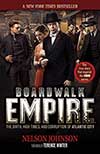
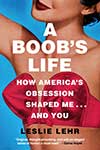
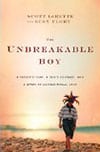
Notable authors include Nelson Johnson, author of Boardwalk Empire, which Martin Scorsese produced for HBO; Leslie Lehr, author of A Boob’s Life, which is currently being adapted for an HBO Max TV series by Salma Hayek; and Scott LeRette, author of The Unbreakable Boy, which was published by Thomas Nelson and is now a major motion picture by Lionsgate starring Patricia Heaton, Zachary Levi, and Amy Acker.
The founder of The Bestselling Author, Mark Malatesta, is a former literary agent, literary agency owner, AAR member, and Marketing & Licensing Manager for the gift and book publisher Blue Mountain Arts. He is now an author coach and consultant. Click here to see Mark Malatesta reviews.
About the Author
 The founder of The Bestselling Author, Mark Malatesta, is a former literary agent, literary agency owner, AAR member, and Marketing & Licensing Manager for the gift and book publisher Blue Mountain Arts. Mark is now a highly regarded author coach and consultant, dedicated to helping writers obtain literary agents. Drawing on decades of industry experience, he works with writers across genres, offering personalized coaching to navigate the complexities of the publishing world.
Through The Bestselling Author, Mark provides practical tools, industry insights, and motivational support tailored to each writer’s needs to help them do so. In addition to coaching, Mark shares his expertise through speaking engagements and online resources. His dedication to empowering authors has made him a trusted mentor in the writing community, earning him a reputation as a knowledgeable and approachable guide for writers pursuing their dreams. Click here for Mark Malatesta reviews.




 MARK MALATESTA is a former literary agent turned author coach. Mark now helps authors of all genres (fiction, nonfiction, and children's books) get top literary agents, publishers, and book deals through his company