

A writer’s location is less important to literary agents than most writers assume—but your location can affect representation. It can also impact your publishing strategy, platform, and credibility. This article is part of my guide about how to get a literary agent.

You don’t need to live in New York City, Los Angeles, or another large city to be taken seriously. You also don’t need to live near your literary agent. And authors outside the United States can get a literary agent and publisher in the United States. I’ve helped hundreds of writers living in small cities, large cities, and other countries, get literary representation in the United States via my author coaching.
However, a writer’s location can affect:
- Which publishing market makes the most sense
- Whether an agent has the right publisher relationships
- How an author’s platform is evaluated
- Whether place strengthens the book’s authority
- How easily the book can be positioned for its intended readers
- What rights, tax, payment, language, or logistical issues will come up
Those influences are usually smaller and more manageable than writers imagine.
Agents don’t need you nearby—they need a book they can sell and an author they can work with.
Quick Summary
A writer’s location or home address rarely determines whether a literary agent will represent them. What matters more is whether the agent has the experience, industry connections, and access to the right publishing market for the book.
Location becomes more relevant when it affects an author’s platform, expertise, intended readers, or international publishing arrangements. Individual literary agencies also have different geographic policies and preferences.
Key Takeaways
- Choose literary agents based on their experience, publisher relationships, and suitability for your book, instead of geographic proximity.
- Some literary agencies represent writers internationally whereas others have geographic restrictions or preferences.
- International writers can query U.S. and UK literary agents when their books fit those publishing markets and the agencies accept international submissions.
- Location can be especially relevant for nonfiction authors when their expertise, credibility, or platform is geographically connected.
- A strong regional platform or distinctive book setting can help make a book more marketable, especially when it also has broader appeal.
- Living in a major publishing city doesn’t provide much advantage unless it creates significant opportunities for publicity, networking, or building an author platform.
- Where an author lives, where a book takes place, where its readers live, and where it’s published are separate things to consider.
- International representation often involves different or extra tax, payment, rights, and administrative considerations.
- Only mention your location in a query letter when it improves your credentials, platform, or book’s marketability. Otherwise, there’s no benefit and/or it could work against you.
Table of Contents
- The Location Stack: Five Geographic Questions That Matter
- Where the Author Lives
- Where the Literary Agent and Publisher Work
- Where the Book Is Set or the Subject Is Located
- Where the Intended Readers Live
- How Far the Author’s Platform Reaches
- Why You Don’t Need to Live in a Publishing Hub
- Major Cities, Small Towns, and Rural Areas
- International Authors Seeking U.S. or UK Representation
- Choosing Between U.S. and UK Literary Agents
- Language, Translation, and International Rights
- How Location Affects Adult Fiction
- How Location Affects Adult Nonfiction and Memoir
- How Location Affects Children’s Books
- When Location Strengthens a Book
- When Location Creates Friction
- What to Say About Location in a Query
- Travel, Time Zones, and Working With an Agent Remotely
- Taxes, Payments, and Administration for International Authors
- Location Bias and Other Parts of Identity
- Common Myths About Location and Literary Agents
- Conclusion: Let the Work Travel
- Frequently Asked Questions

1. A Writer’s Location: Five Important Considerations
Writers often treat location as one thing:
I live in this city, state, or country.
But publishing looks at geography in a variety of ways.
The Author’s Home
Where do you currently live and work? That can affect communication, your local platform, taxes, payments, travel, and the background readers or agents will associate with you.
The Book’s Location or Setting
Where is the story set, or where does the nonfiction subject originate? The book’s setting might be central to its premise, authority, mood, conflict, or market.
The Reader’s Market
Where do the people most likely to buy the book live? A writer in Sweden might be writing primarily for American readers. A writer in Nevada might be writing a book most relevant to Scandinavia. Residence and readership aren’t always the same.
The Agent’s and Publisher’s Market
Does the agent primarily sell to U.S., Canadian, UK, Australian, or other publishers? An agent’s city matters far less than the agent’s editor relationships, territorial expertise, and rights strategy. One agent who has offered to represent some of my clients in the United States lives in Hong Kong but sells books to publishers in the United States.
The Author’s Reach
Can the author reach people locally, nationally, or internationally? A local platform can be significant when it has depth, influence, or offers a credible means or path to expansion.
Where you live is just one part of the equation. Literary agents also think about or consider where the book belongs, where its readers are, and where they can sell it.
2. Where the Author Lives
For most fiction, the author’s residential location is really just background information. Agents are more interested in the manuscript, premise, voice, genre, word count, marketability, and professionalism of the writer. An author living in Manhattan, for example, doesn’t automatically look more publishable than an author living in rural Montana, Lagos, Stockholm, New Zealand, or a small town in the Midwest.
Location starts becoming relevant when it either supports or complicates another part of the opportunity.
For example, a nonfiction writer’s home location might provide access to a community, professional experience, research opportunities, media relationships, speaking venues, institutional partnerships, or authority connected to a region or industry.
A fiction writer’s location might provide firsthand knowledge that makes the setting feel unusually vivid.
An international author’s location might improve or strengthen a book offering cultural, political, historical, or social access that many U.S. writers don’t have.
Also, a writer’s location becomes less useful when the author apologizes for it or thinks they should talk about it or explain it extensively. You’re simply a writer living where you live. Only talk about it if it is going to improve your pitch.
3. Where the Literary Agent and Publisher Work
Writers sometimes focus too much, also, on where a literary agent live. The agent’s knowledge, experience, and contacts are far more important than their mailing address.
A literary agent based outside New York might have strong relationships with major U.S. editors. A New York agent might specialize in a market, genre, or publisher list that doesn’t fit your book. A London agent might represent authors around the world while selling UK, U.S., translation, audio, film, and other rights through colleagues or co-agents.
Literary agencies often use dedicated foreign-rights staff and international co-agent networks to place books in multiple territories. The Association of American Literary Agents’ International Committee focuses on foreign rights and international-market practices, while many agencies maintain networks of co-agents throughout Europe, Asia, Latin America, and other territories.
When researching an agent, think about:
- Which publishers the agent sells to
- Which territories the agency handles directly
- Whether the agency has foreign-rights expertise
- Whether U.S., UK, Canadian, or other rights are handled in-house
- Whether the agent regularly represents international authors
- Whether the agent understands the primary market for your book
The agent’s market connections matter more than the distance between the two of you.
4. Where the Book Is Set or the Subject Is Located
The author’s location and the book’s setting are usually separate things. A writer doesn’t need to live in the place where their story takes place. Novelists often, or, I should say, most often, write about places they don’t currently inhabit. That’s what research is for. However, an author’s connection to place can improve their credibility.
- A novel set in a remote fishing community would benefit from the author having grown up there.
- A work of narrative nonfiction about water policy in the American Southwest would be more credible if the author has reported on or worked in the region.
- A memoir’s location can provide culture, conflict, and social context.
- A children’s book might reflect a community rarely portrayed in general-market publishing.
Living somewhere doesn’t automatically make every claim about that place authoritative. A resident can oversimplify a community. And an outsider can produce or create excellent work through curiosity, humility, and extensive research. Use firsthand connection when it adds meaningful authority. Don’t turn the query into a tourism brochure or imply that geographic proximity, in and of itself, makes you an expert.
5. Where Your Readers Live
One of the most important location decisions isn’t about the author or agents. It’s about the reader.
In other words:
- Which country or territory is the primary market?
- Which bookstores, libraries, schools, organizations, or communities will care about the book?
- Which publishing conventions apply?
- Which comparable books demonstrate demand?
- Will the book require cultural or historical context for those readers?
- Can the author communicate why the subject matters beyond one region?
A local story can have national or international appeal. A national issue can be explained through one community. And a regional memoir can explore family, identity, loss, ambition, migration, faith, or survival in ways readers in all locations can understand. The setting should make the book more specific whereas the emotional or intellectual promise of the book can make it relatable and allow it to “travel” well.
Place can add value but makomg a book distinctive without making its audience geographically small.
6. How Far the Author’s Platform Extends
Location usually matters more for nonfiction because platform matters more for nonfiction. A local platform might include media coverage, speaking, professional leadership, schools or universities. It might include organizations, clients, and congregations. And it might include community groups, regional events, and institutional partnerships.
“Local” doesn’t always mean insignificant.
A trusted regional expert with direct access to 30,000 relevant people can be better than an author with a very spread out national social following.
When applicable, your query letter and book proposal should explain both the depth and potential reach of your author platform.
You might also find this helpful: What Is an Author Platform and How to Improve Yours?
7. Why You Don’t Need to Live in a Publishing Hub
The author-agent relationship is mostly professional and communicative. Most writers don’t meet their agents in person. The relationship can work just fine through email, phone, video calls, etc.
When I was a literary agent, proximity wasn’t an issue. It didn’t impact my ability to read a manuscript, develop a pitch, submit a project, negotiate a contract, or advocate for a client. The same is true for the agents representing many of the authors I now coach and consult.
Meeting at a conference or during a trip can add to a relationship, of couse. But it isn’t the norm and it isn’t a prerequisite for representation. You don’t need to relocate to seem serious. Your commitment will be evident hrough the quality of your work, preparation, communication, responsiveness, judgment, and your ability and willingness to collaborate.
8. Major Cities, Small Towns, and Rural Areas
Living in a Major City
A major-city location is really only an advantage when it creates something useful. That might be national media access, speaking venues, or industry organizations. It might be universities, professional networks, or cultural institutions. It might be frequent events or partnerships.
The bottom line is that a New York address without relevant relationships or reach there doesn’t really strengthen a query. Networking can create opportunities, but social proximity to publishing professionals isn’t going to improve your position with literary agents.
Living in a Small Town or Rural Area
A smaller community can provide a distinctive viewpoint, local relationships, and firsthand knowledge. It can provide unusual settings, community support, and regional media. It can also provide space and time to write! The main challenge or risk can come from positioning.
In other words, you shouldn’t describe a marketable novel that could be relatable to a wide range of readeers as “a story local residents will enjoy.” If it’s not purely regional fiction, don’t make it sound liek it. Similarly, don’t limit a nonfiction concept to one location if the principles are applicable to w a broader audience.
Again, only mention location when it’s truly an asset, and always keep the book’s broader reader promise visible.
9. International Authors Seeking Representation in the U.S. or UK
International writers can secure representation in the United States and United Kingdom. There is no rule that requires writers to begin in their country of residence. Most literary agencies accept submissions from anywhere in the world when the manuscript is written in English. Other only allow authors from their country to query them.
Your decision should consider the manuscript’s language, primary readership, genre, and comparable titles. It should also consider the setting, author platform, rights strategy, and which publishers are most likely to acquire it.
When helping authors living outside the United States secure U.S. literary agents, I always tell them that their success will depend, in part, on the book making sense for American readers and publishers—not on the author having an American address.
For fiction, that usually means the premise, voice, genre, and reader experience work in the targeted market. For nonfiction, the author might also need to demonstrate relevant authority, platform, access, and ability to reach those readers.
Don’t get discouraged if you see one or more agents say that international writers can’t get U.S. representation. It’s not true, generally, though it’s true for a small number of agents. One agent’s preference or business model isn’t the entire industry.
10. Choosing Between U.S. and UK Literary Agents
Writers often assume they should query the market closest to them geographically. The better way to go is to focus on the book’s most natural publishing home.
A U.S. Agent Might Be the Better Fit When
- The primary audience is American.
- The book’s comparable titles are predominantly U.S. books.
- The subject, platform, or professional authority is U.S.-focused.
- The genre is positioned differently in the United States.
- The author wants a U.S. publication strategy first.
A UK Agent Might Be the Better Fit When
- The primary audience is British.
- The setting, cultural references, or subject align naturally with UK readers.
- The strongest comparable titles are UK publications.
- The author’s platform and media access are concentrated there.
- The UK market is the clearest first territory.
Some—many—authors can realistically query both markets. The same pitch will usually work without needing modifications. But consider differences in terminology, comparable titles, cultural context, and market positioning that might warrant something a bit different or extra.
11. Language, Translation, and International Rights
A manuscript written in English can be pitched to agencies accepting English-language submissions, no matter where the author lives. A book written in another language might require a different approach. In other words, a strategy involving an agent in the original-language market, an English translation, a translation sample, a rights agent, a publisher selling translation rights, or an agency specializing in international or translated literature.
Don’t assume every U.S. or UK agent reviews submissions in other languages. Most don’t. I get emails from writers I’ve never communicated with before, in different languages. I never understand that. If someone doesn’t say they speak more than one language, don’t assume they do. Check agent guidelines.
Also, international rights are separate from where the author lives. For example, A U.S. publisher might acquire North American rights, English-language rights, or world rights. And a literary agency might sell translation rights directly or through foreign co-agents.
The Authors Guild recommends the same thing I do: look closely at territorial and foreign-rights grants because contract terms affect who controls those rights and how foreign licensing income is divided. See this commentary about the grant of rights.
Again, the agent closest to you isn’t necessarily the best one for you.
12. How Location Affects Adult Fiction
For most adult fiction, the author’s location isn’t a major factor or a factor at all. Agents care most about a novel’s premise, characters, plot, voice, genre, word count, writing quality, and potential positioning.
Location can make a manuscript stronger when it creates a vivid sense of place or unusual access to a culture, industry, landscape, or community. The query should still focus on the story though, more than anything, when it comes to the book.
In other words, you shouldn’t spend half the pitch explaining the town’s history or telling the agent that the location deserves more attention. You should show who the protagonist is, what changes, what the protagonist wants, what stands in the way, and what’s at stake.
Simply let the setting add a layer. Don’t try to make it replace the story. Heavy dialect and local terminology can create authenticity, but don’t rely on those things too much.
13. How Location Affects Adult Nonfiction and Memoir
Location can play a larger role in nonfiction because the author’s authority, access, platform, and promotional opportunities are often an important consideration.
For example, a nonfiction author might be especially credible because they work in the community being discussed, have reported from the location, or lead a relevant organization. Or they might serve affected clients or patients, hold local or regional office, or have access to archives or institutions. Sometimes they understand the area through lived experience.
Location can also impact a memoir’s appeal. For example, immigration, displacement, exile, or regional culture can become central parts of the narrative. So can leaving home, returning home, and belonging between places. However, a strong location connection doesn’t automatically make a book national. The proposal or query still needs to make clear why readers in other locations might care.
A regional platform can support a book when the author demonstrates broader relevance, scalable outreach, and/or media potential.
14. How Location Affects Children’s Books
Location can be a meaningful advantage for children’s book authors as well. A strong local presence might support school visits, library programs, literacy organizations, parent groups, festivals, educational partnerships, and regional bookselling. Those activities can become a repeatable platform vs. a series of unrelated appearances. A book’s setting can also provide representation for children who don’t typically see their communities portrayed.
A book should still fit the intended age category and deliver a strong story or useful learning experience. A picture book about one community can connect more broadly through family, celebration, friendship, change, belonging, fear, or discovery. The location provides specificity whereas a child’s experience provides reach.
15. When Location Strengthens a Book
Authority
The author has firsthand professional, cultural, historical, environmental, or community knowledge relevant to the book.
Access
The author can reach sources, institutions, archives, organizations, or people unavailable to many writers.
A Distinctive Setting
The place creates atmosphere, pressure, conflict, imagery, or cultural texture the book couldn’t offer elsewhere.
Platform
The author has trusted relationships with regional media, schools, organizations, audiences, clients, or institutions.
Timeliness
A location is central to a current environmental, political, cultural, economic, or social issue.
An Underrepresented Perspective
The book brings readers into a community or part of the world that publishing hasn’t portrayed often or well. Location helps most when it changes the value of the project—not when it merely supplies a postal address.
16. When Location Creates Issues
The Book Sounds Local-Only
A query might emphasize that residents will recognize landmarks or appreciate the history. Agents considering national trade publication tend to want or need a larger reader promise.
The Author Apologizes
Statements such as these create an unnecessary concern:
Unfortunately, I don’t live near the publishing industry.
I hope my overseas location won’t be a problem.
I know agents prefer writers in New York.
The Target Market Is Unclear
An author living outside the United States might pitch a book to U.S. agents without explaining why American readers would be interested. The reverse can happen with U.S. writers targeting UK agents.
The Platform Doesn’t Travel
A large local following might not automatically create national or international sales. Explain its relevance, scalability, partnerships, and broader reach.
Logistics Are Presented as a Burden
Time zones and international administration are manageable. An author who introduces themselves as difficult to contact or unable to work within the target market’s practical needs can create hesitation.
Authenticity Is Overemphasized
Living in a country, city, or community doesn’t make the author the definitive voice for everyone there. Use specifics rather than sweeping authority claims.
17. What to Say About Location in a Query
Mention location when it strengthens authority, platform, access, personal connection, market positioning, or necessary logistics.
Examples:
I’m a Miami-based emergency-room nurse…
Raised in the Alaskan fishing community where the novel is set, I…
From my work with refugee families in Athens…
I live in New Zealand and am available for calls during U.S. mornings.
The final example is usually unnecessary in the initial query unless scheduling genuinely needs clarification.
A query form might ask for or require your city or country. Be accurate and avoid apologetic explanations. Don’t claim that your location makes you uniquely qualified when the bio or proposal doesn’t support that claim.
Mention location when it adds value or necessary clarity. Otherwise, just let it be ordinary background information.
18. Travel, Time Zones, and Working With an Agent Remotely
Authors don’t need to travel to an agent’s city to build a successful working relationship either. Representation calls, editorial conversations, submission updates, contract discussions, and career planning can all happen remotely. Time zones simply require coordination.
International authors don’t need to promise that they’ll fly to the United States or United Kingdom at their own expense to promote the book. That said, some books and authors might benefit from later travel to promote their books if they’re willing and able. Those decisions can be made when the writer has representation and/or a book deal.
Don’t make a lot of speculative travel promises in your pitch material. Simply demonstrate that you’re willing and able to support the book through the channels available to you.
19. Taxes, Payments, and Administration for International Authors
International representation and publication can involve additional paperwork. A foreign writer receiving U.S.-source royalties might be asked to provide IRS Form W-8BEN. Without appropriate documentation, U.S.-source royalties can be subject to withholding.
Other practical issues might include tax identification numbers, banking and payment methods, currency conversion, treaty eligibility, mailing addresses, contract jurisdiction, and local tax reporting. Those are admin items you can figure out later with your agent, publisher, accountant, or qualified tax professional. They aren’t reasons to avoid querying.
A U.S. citizen living abroad also has a different tax status from a non-U.S. citizen living abroad, so residence and nationality shouldn’t be treated as the same thing. This article provides general publishing information, not tax or legal advice.
20. Location Bias and Other Parts of Identity
Agents can make conscious or unconscious assumptions based on location, the same way they can make them about age, faith, gender, politics, and other factors. Regardign location, a rural address can trigger assumptions about education, sophistication, politics, class, or market access. An international address can trigger assumptions about language, availability, cultural fit, or American readership. A major-city address can create assumptions about connections or professional status that aren’t accurate. Those factors are explored more fully in a series of related articles at the end of this article.
21. Common Myths About Location and Literary Agents
“I Need to Live in New York”
You don’t. New York remains a major U.S. publishing center, but authors and agents work from many locations.
“Agents Only Represent Writers They Can Meet”
Most representation work doesn’t require regular in-person meetings.
“Living in a Small Town Makes Me Look Unprofessional”
Professionalism appears through the work and communication—not population density.
“International Writers Can’t Get U.S. Agents”
They can. Agency policies vary, and the book needs to make sense for the U.S. market.
“A U.S. Agent Is Always Best for a U.S. Author”
Often, but not universally. Market, category, rights strategy, and agent fit matter.
“Location Never Matters”
It can matter through platform, authority, reader market, rights, language, and logistics.
“I Need to Travel to Promote a U.S. Book”
Not necessarily. Promotion can include remote media, podcasts, articles, newsletters, partnerships, and online events. Some projects benefit from travel, but it isn’t a universal requirement.
“A Local Story Has Only a Local Audience”
The setting can be local while the emotional, social, or intellectual appeal reaches much farther.
“Living Somewhere Makes Me an Authority on Everyone There”
Firsthand experience can help. It doesn’t replace careful observation, research, humility, and nuance.
22. Conclusion: Let the Work Travel
Your location is very unlikely to be the deciding factor in whether you get a literary agent. A strong project can travel from a small town, rural community, major city, island, or another country. The bottom line is that agents need to believe they can sell it. Publishers need to understand who will buy it. And readers need a reason to pay attention and relate.
Where you live can improve or strengthen the above through authority, access, setting, platform, and perspective. It can also remain a simple fact that requires no special explanation. Again, I’ve helped many authors outside the United States secure U.S. representation without relocating or traveling here. What mattered was the same thing that matters for authors everywhere: The book made sense for the intended market, and the author presented it professionally.
Don’t try to “overcome” your location. Simly understand when it matters, use it when it helps, and focus us most of all on the strengths of the book.
Get Help Positioning and Pitching Your Book
Your location—and the many factors below that I explain in a series of related articles—can affect your agent list, query, author bio, platform, market positioning, international strategy, and publishing options.
I can help you determine which things should be highlighted, minimized, or omitted; choose the most appropriate publishing market; identify agents equipped to represent the project; and make sure your submission communicates professional readiness and broad reader appeal.
As a former literary agent, former Marketing & Licensing Manager for the book division of Blue Mountain Arts, and author coach and consultant who has helped 450+ writers get offers from literary agents and/or traditional publishers, I can help you too.
Explore 1-on-1 author coaching and consulting.
Related Articles
This article is part of a larger series about author characteristics, backgrounds, beliefs, and circumstances that can affect literary-agent and publisher decisions:
- Gender Bias and Literary Agents
- Age Bias and Literary Agents
- Literary Agents and Politics—What Every Writer Needs to Know
- Does a Writer’s Race, Ethnicity, or Background Affect Literary Agents and Publishers?
- How Faith and Religion—Yours and That of Literary Agents—Can Impact Representation
- Author Bio Mistakes—What to Say, and When
- Why You Might Want to Use a Pseudonym or Pen Name for Your Book—and When Pitching Literary Agents
- What Is an Author Platform?
FAQ: How a Writer’s Location Impacts Literary Agents and Publishers
Does my location matter to literary agents?
Usually only when it affects marketability, authority, platform, reader access, rights, language, taxes, or logistics.
Do I need to live in New York to get a literary agent?
No. Authors and agents work successfully from locations throughout the United States and around the world.
Do I need to live near my literary agent?
No. Most communication and collaboration can occur through email, phone, video calls, and shared documents.
Can an international author get a U.S. literary agent?
Yes. Many U.S. agents represent authors living in other countries. Research each agent’s guidelines and make sure the book fits the U.S. market.
Can an American author query UK agents?
Yes, when the book and publishing strategy fit the UK market. Some UK agencies note that U.S.-based authors might generally be better served by U.S. representation, so research individual policies.
Should I query U.S. or UK literary agents?
Choose based on the book’s primary readership, comparable titles, subject, platform, genre conventions, and the agent’s publisher relationships.
Can I query agents in both countries?
Often, yes. Tailor the positioning and follow each agency’s guidelines. Don’t assume the same pitch is equally effective in both markets.
Does my manuscript need to be set in the country where I’m querying?
No. Books set throughout the world are published in the United States and United Kingdom. The story still needs to connect with the intended readership.
Does my manuscript need to be written in English?
Most U.S. and UK agents expect English-language submissions unless they explicitly handle work in other languages or translated literature.
Do I need a professional translation before querying?
Possibly, depending on the agent and market. Research agents handling translation, international literature, or the original language before paying for a complete translation.
Will an agent reject me for living in a small town?
Your address alone is unlikely to determine the decision. A weak or overly local pitch can create more concern than the location itself.
Can living in a small town help my book?
Yes. It can provide distinctive perspective, setting, community access, authority, and regional platform.
Does living in a major city help?
Only when it creates useful media, speaking, institutional, professional, or networking opportunities.
Should I mention my location in the query?
Mention it when it strengthens your authority, platform, personal connection, market fit, or necessary logistics. Otherwise, it can remain in the contact information or form field.
Should I apologize for being an international author?
No. Present your location professionally and confidently.
Do international authors need to travel to the United States?
Not to query or secure representation. Some later promotional opportunities might involve travel, but that depends on the book, publisher, budget, and strategy.
Do international authors need U.S. author platforms?
Fiction authors generally aren’t evaluated primarily through platform. Nonfiction authors targeting U.S. readers might need to demonstrate relevant authority and a realistic way to reach that audience.
Can a regional platform support a national book?
Yes. Show its depth, measurable influence, partnerships, broader relevance, and potential to scale.
Does an international author need Form W-8BEN?
A foreign individual receiving certain U.S.-source income might be asked to complete Form W-8BEN. Consult the payer and a qualified tax professional regarding your circumstances.
Does an agent’s location matter?
The agent’s market, sales record, rights capabilities, and publisher relationships generally matter more than the agent’s physical location.
Can location bias affect literary-agent decisions?
It can. Location might trigger assumptions about culture, language, class, politics, or market access. A clear, professional submission helps keep attention on relevant facts.
Can I use a pen name to hide where I live?
A pen name might reduce immediate personal disclosure, but contracts, tax records, and professional relationships will still require accurate legal information.
About
This article, “How a Writer’s Location Impacts Literary Agents and Publishers,” was written by a former literary agent turned author coach. Mark Malatesta is the creator of The Directory of Book Agents, host of Ask a Publishing Agent, and founder of Literary Agent Undercover and The Bestselling Author.
Mark has helped hundreds of authors get offers from literary agents and/or traditional publishers. Writers of all Book Genres have used our Book Agent Advice coaching/consulting to get Top Literary Agents at the Best Literary Agencies on our List of Literary Agents.
The Bestselling Author, LLC
 Established in 2011, The Bestselling Author has helped 400+ authors get literary agents and/or traditional publishers. Writers who’ve worked with Literary Agent Undercover, a division of The Bestselling Author, have gotten six-figure book deals; been on the New York Times bestseller list; had their books adapted for TV, stage, and feature film; had their work licensed in 40+ countries; and sold many millions of books.
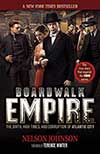
Notable authors include Nelson Johnson, author of Boardwalk Empire, which Martin Scorsese produced for HBO; Leslie Lehr, author of A Boob’s Life, which is currently being adapted for an HBO Max TV series by Salma Hayek; and Scott LeRette, author of The Unbreakable Boy, which was published by Thomas Nelson and is now a major motion picture by Lionsgate starring Patricia Heaton, Zachary Levi, and Amy Acker.
The founder of The Bestselling Author, Mark Malatesta, is a former literary agent, literary agency owner, AAR member, and Marketing & Licensing Manager for the gift and book publisher Blue Mountain Arts. He is now an author coach and consultant. Click here to see Mark Malatesta reviews.
About the Author
 The founder of The Bestselling Author, Mark Malatesta, is a former literary agent, literary agency owner, AAR member, and Marketing & Licensing Manager for the gift and book publisher Blue Mountain Arts. Mark is now a highly regarded author coach and consultant, dedicated to helping writers obtain literary agents. Drawing on decades of industry experience, he works with writers across genres, offering personalized coaching to navigate the complexities of the publishing world.
Through The Bestselling Author, Mark provides practical tools, industry insights, and motivational support tailored to each writer’s needs to help them do so. In addition to coaching, Mark shares his expertise through speaking engagements and online resources. His dedication to empowering authors has made him a trusted mentor in the writing community, earning him a reputation as a knowledgeable and approachable guide for writers pursuing their dreams. Click here for Mark Malatesta reviews.









 MARK MALATESTA is a former literary agent turned author coach. Mark now helps authors of all genres (fiction, nonfiction, and children's books) get top literary agents, publishers, and book deals through his company