

Most articles about author income streams or how authors make money beyond book sales simply provide a list of options. This article goes beyond that. It explores all opportunities but also which ones suit different authors, what they require, how they might support—or interfere with—an author’s writing, and whether they impact literary agents and publishers. It’s part of my guide about how to get a literary agent.
The same advice isn’t appropriate for every writer. In this case, the best author income streams for a novelist might be completely different from those for a psychologist writing prescriptive nonfiction or a children’s author offering school programs.
Sometimes authors make their entire living based on their writing alone. Other times books produce income and open doors that lead to additional income. A book can be a product but it can also be a credential, source of intellectual property, introduction to an audience, foundation for a program, or reason someone decides to hire the author.
The goal shouldn’t necessarily be to simply create as many income streams as possible. It should be to understand which opportunities might be most aligned and grow naturally from your book, expertise, personality, passions, writing skills, or audience—and what each one will require of you in return.
Quick Summary
Authors can earn money beyond advances, royalties, and conventional book sales through speaking, teaching, consulting, coaching, professional services, educational programs, paid content, events, memberships, sponsorships, licensing, and related activities.
Different opportunities make sense for different authors. Prescriptive nonfiction authors might have natural extensions in consulting, speaking, training, and courses. Memoirists might pursue speaking, advocacy, essays, and facilitated conversations. Novelists might teach, edit, freelance, or create reader-supported content. Children’s authors might offer school visits, library programs, workshops, and educational materials.
Some of these activities can also strengthen an author’s platform or prospects with literary agents and publishers. However, the income itself usually matters less than what generated it—and what it proves about the author’s expertise, audience, visibility, professional demand, or access to readers.
Key Takeaways
- Books can generate value without directly producing every check.
- Non-book author income can grow from the book, the author’s expertise, the author’s writing skills, or the author’s audience.
- Advances, royalties, and subsidiary rights remain book-related income.
- The best opportunities differ for nonfiction, memoir, fiction, and children’s book authors.
- Many income streams can begin before an author’s first book is published.
- Writing a book doesn’t automatically qualify someone to coach, counsel, or advise others.
- Service income can begin quickly but generally depends on the author’s time.
- Courses, products, and licensed programs might be more repeatable, but they require development, marketing, and support.
- Newsletters, memberships, and communities aren’t passive income.
- Literary agents care more about what an activity proves than how many income streams an author has.
- Revenue isn’t the same as profit, and money isn’t the only cost.
- One well-chosen income stream is usually better than five distracting ones.
- Don’t accidentally build a business you wouldn’t enjoy operating successfully.
Table of Contents
- What Counts as Non-Book Author Income?
- Why a Book Can Be Worth More Than Its Sales
- The Four Foundations of Non-Book Author Income
- Income Created by the Book
- Income Created by the Author’s Expertise
- Income Created by the Author’s Writing Skills
- Income Created by the Author’s Audience
- Best Income Streams by Type of Author
- Can Authors Earn Non-Book Income Before Publication?
- Will Non-Book Income Help You Get a Literary Agent?
- Service, Asset, and Audience-Based Income
- The Hidden Costs of Additional Income Streams
- Don’t Build a Business You Don’t Want
- Five Author-Income Examples
- How to Choose Your Best First Income Stream
- Common Mistakes
- Final Thoughts
- Frequently Asked Questions

1. What Counts as Non-Book Author Income?
Think of author income as fitting into three areas.
Direct Book Income
Direct book income includes:
- Advances
- Royalties
- Direct book-sale profits
- Licensing fees
- Foreign-rights income
- Audiobook rights
- Film, television, and dramatic rights
- Other subsidiary-rights income
Non-Book Author-Related Income
This income is related to activities connected to the author’s work, knowledge, abilities, reputation, or audience—but not from selling or licensing the primary book.
Examples include:
- A leadership author training executives
- A novelist editing manuscripts
- A memoirist speaking at conferences
- A children’s author conducting school programs
- A historian publishing a paid newsletter
- A psychologist consulting with organizations
Unrelated Income That Supports the Writing
Many authors support their writing through unrelated professions, employment, or businesses. That income might make it possible for the author to write books, but it isn’t usually considered author-related income.
This article focuses on income from:
- The book
- The author’s expertise
- The author’s writing skills
- The author’s audience
2. Why a Book Can Be More Than Its Sales
Books often do more than just make money.
A Book Can Be a Credential
A book can make an author’s expertise more visible and understandable. It can persuade companies, schools, associations, conferences, media outlets, and other organizations to consider the author. A published book doesn’t automatically make someone an expert, but it can change how people perceive the author. It can strengthen the authority of someone who already has relevant knowledge or experience.
A Book Can Be More Than Just a Credential
A book can demonstrate:
- Knowledge
- Storytelling ability
- Research
- A distinctive method
- Understanding of an audience
- The ability to explain complex ideas
- A meaningful perspective on an issue
That evidence can lead to opportunities beyond book sales.
A Book Can Attract Different Types of Audiences
A book doesn’t need to reach everyone to be valuable. It might attract a smaller but highly relevant audience: educators, parents, executives, healthcare professionals, historians, caregivers, activists, or people sharing a particular experience. Those readers might later attend an event, join a program, recommend the author, purchase related resources, or bring the author into an organization.
Understanding who those readers and purchasers are is also essential when identifying your book’s target market for literary agents.
A Book Can Create Intellectual Property
The book’s stories, ideas, characters, exercises, or frameworks might support:
- Workshops
- Curricula
- Discussion guides
- Training programs
- Assessments
- Audio or video material
- Licensed methods
- Other companion resources
It’s smart for authors to understand what their publishing agreements allow before developing merchandise, adaptations, or substantial derivative material. Publishing contracts can divide audio, translation, film, television, merchandise, and other rights among the author, publisher, and third parties. The sooner you know about some of this, the better.
My guide to subsidiary rights in publishing explains the major categories. The Authors Guild also provides a useful Model Trade Book Contract explaining rights and other publishing-contract provisions.
A book is a destination but it can also be a doorway to other destinations.
3. The Four Foundations of Non-Book Author Income
Most non-book author income comes out of one or more of the following.
The Book
A book can inspire a speech, workshop, school presentation, educational resource, organizational program, or facilitated discussion.
The Author’s Expertise
Authors possess valuable knowledge, training, experience, or judgment. The book might increase visibility, but the qualification generally exists independently of it.
The Author’s Writing Skills
Many authors can write, edit, research, interview, organize, evaluate, or teach effectively.
The Author’s Audience
Authors often earn the attention and trust of a relevant group(s).
The above foundations often overlap. For example, a physician-author might receive a speaking engagement because of the author’s medical expertise, published book, presentation skills, and existing audience.
4. Income Created by the Book
Speaking Engagements
Organizations don’t usually pay substantial fees merely to hear an author talk about, read highlights from, or simply summarize a book.
They pay for an experience or outcome:
- Education
- Inspiration
- Entertainment
- Professional development
- Practical tools
- A new perspective
- A meaningful conversation
A nonfiction author might speak about leadership, health, history, business, spirituality, science, or personal growth. A memoirist might speak about resilience, grief, identity, recovery, or advocacy. A novelist might speak about writing, research, history, culture, creativity, or issues explored in the fiction.
Speaking can also produce book sales, visibility, referrals, and additional invitations. Just remember that authors should consider preparation, customization, travel, and time away from writing—not just the fee.
Workshops and Seminars
A speech communicates whereas a workshop helps participants understand, practice, create, decide, or change something. Workshops are unique in their ability to provide interaction, application, feedback, or accountability.
Examples include:
- A conflict-resolution author leading a workplace workshop
- A memoirist teaching people to write personal stories
- A novelist teaching suspense or worldbuilding
- A children’s author helping students create characters
A good workshop shouldn’t just be an advertisement for the book.
School and Library Programs
Children’s book authors aren’t the only candidates for school and library visits. Historians, scientists, poets, illustrators, journalists, and memoirists might also offer educational programs. Programs at schools and libraries often connect a book with literacy, history, science, art, social-emotional learning, research, or creative writing. The author should be able to explain what participants will experience, learn, or create—not simply that they’ll meet the author.
Children’s book authors should remember that the reader and purchaser might be different. A child can enjoy a book, but a parent, teacher, librarian, administrator, or organization usually approves the purchase.
Corporate and Nonprofit Programs
Organizations might use a book as the basis for:
- Leadership development
- Employee education
- Team discussions
- Wellness initiatives
- Advocacy
- Community engagement
- Professional development
- Client education
The author might deliver a presentation, facilitate a series, create supporting material, or customize the ideas for the organization. This works best when the book addresses a need the organization already considers important vs solely what the author might think is important.
Facilitated Discussions
Some authors lead paid book groups, discussion programs, etc.
That can work well for books involving:
- Leadership
- Spirituality
- Personal growth
- History
- Social issues
- Relationships
- Memoir
- Literary fiction
Participants might receive guided questions, exercises, structured conversations, supplemental material, or help applying the book’s ideas. The author should provide more than information already available on the page. Information and possibly inspiration beyond the book.
Companion Resources
A book might support:
- Workbooks
- Journals
- Teacher guides
- Discussion guides
- Lesson plans
- Templates
- Assessments
- Card decks
- Audio programs
- Video training
The companion resource should do something the book doesn’t do as completely or effectively—such as helping readers practice, teach, personalize, discuss, or apply the material. Don’t create a workbook just because others have done that. Create what your readers want or need.
Retreats and Immersive Experiences
Some books can support writing retreats, historical tours, spiritual gatherings, leadership intensives, creative programs, or other immersive experiences. These can be great but a lot of work to set up and run. Partnering with an experienced organization can be smarter than trying to do everything independently.
Licensed Programs and Methodologies
An author with a distinctive, proven method might eventually license others to use it through facilitator training, certification, classroom licenses, or organizational programs. Licensing is a smart way to grow and scale, as it can reduce dependence on the author personally delivering every session.
That said, licensing requires:
- A teachable method
- Quality control
- Training standards
- Legal agreements
- Brand protection
- Ongoing support
- Clear ethical boundaries
Licensing isn’t usually the best first step. It’s normally best after significant experience delivering and refining the work directly.
5. Income Created by the Author’s Expertise
These opportunities depend primarily on what the author knows or can help others accomplish.
Consulting
Consultants analyze problems and recommend solutions. An author might consult in business, education, healthcare, communications, technology, publishing, research, public policy, nonprofit management, or another specialized field. A book can demonstrate the author’s perspective and distinguish the author from others with similar credentials. However, “Hire me because I wrote a book” isn’t a strong consulting proposition.
Coaching
Coaching helps clients clarify goals, make decisions, develop abilities, change behavior, or remain accountable. Authors might coach in writing, leadership, creativity, business, communication, career development, or other areas in which they’re qualified.
Coaching isn’t necessarily easy to perform well. Writing about a subject doesn’t automatically qualify someone to guide others through it—especially when it involves physical health, mental health, trauma, addiction, law, finances, or book publishing.
Personal experience can create empathy and insight. It doesn’t automatically create professional competence.
Training and Courses
Training helps people develop specific knowledge or abilities. Courses organize that learning into a structured experience. Authors might offer live workshops, recorded lessons, assignments, group sessions, assessments, or blended programs.
In short, they’re more repeatable than one-to-one work.
Just don’t create something like this until you have proven demand. This strategy is very time consuming. Testing the material through a live workshop or small pilot group usually produces better information before the author builds a large program.
Advisory Work and Commentary
Experienced authors often advise organizations, boards, media projects, educational initiatives, research teams, or creative productions. Others receive payment for articles, columns, broadcast analysis, reports, documentary participation, or professional opinions and commentary.
Research and Assessment
Researching one’s own book doesn’t automatically qualify an author to manage confidential information or provide formal professional assessments. The scope of the service should match the author’s experience, of course.
Authors might provide:
- Custom research
- Historical research
- Literature reviews
- Fact-checking
- Audience research
- Interview-based reports
- Industry analysis
- White papers
6. Income Created by the Author’s Writing Skills
Authors can also earn money because they know how to create, organize, revise, or evaluate written material. These opportunities might generate income sooner than a new book, but they can consume the same creative energy needed for the author’s own work.
Freelance Writing and Journalism
Authors might write articles, essays, reviews, columns, reports, or other material for publications and organizations.
Copywriting and Content Writing
Authors might write website copy, email campaigns, articles, case studies, sales pages, brochures, video scripts, or brand stories. Authors who enjoy adapting their skills to persuasive or informational writing might find this work useful.
Ghostwriting and Collaborative Writing
Ghostwriters and collaborators help other people develop books, articles, speeches, memoirs, proposals, or other material. The work can involve interviewing, research, structure, voice development, writing, revision, project management, and confidentiality.
Editing and Manuscript Evaluation
Writing and editing overlap, but they require different abilities. An editor must diagnose problems, explain them clearly, respect the author’s intentions, and understand the relevant category. Someone skilled at story structure might not be able to provide professional copyediting, and vice versa.
Book Coaching
Book coaches might help with concept, positioning, structure, accountability, revision, proposal development, or submission strategy. Publishing one book doesn’t automatically qualify someone to guide other authors. One author’s path isn’t a universal publishing model. Anyone selling publishing advice should be honest about the depth, breadth, and relevance of their experience.
Teaching Writing
Authors might teach through colleges, conferences, community programs, libraries, private classes, workshops, or retreats.
Scripts, Speeches, and Other Formats
Authors can apply their skills to:
- Speeches
- Podcast scripts
- Video scripts
- Documentary material
- Training scenarios
- Executive presentations
- Audio programs
- Live-event scripts
These forms can expand the author’s range and professional network.
7. Income Created by the Author’s Audience
Audience-based income is possible when an author has earned the sustained attention and trust of a relevant group. A large audience isn’t always necessary. A smaller, highly engaged audience can be just as valuable.
Paid Newsletters
The paid material must deliver recurring value. The challenge is contained in the word recurring. A book has an ending. A subscription creates another deadline every week, month, or quarter.
Membership Communities
People stay because the experience remains useful, active, relevant, and well managed.
Patronage and Crowdfunding
Successful campaigns generally require a network, clear purpose, credible plan, sustained promotion, and careful calculation of fulfillment costs.
Sponsorships and Advertising
Sponsors pay for access to an audience they want to reach.
Affiliate Income
Authors can receive compensation when readers purchase recommended products or services through referral links. Recommendations should be genuine, relevant, and transparently disclosed. The Federal Trade Commission’s Endorsement Guides explain when and how financial or other material relationships should be disclosed.
Ticketed Events
Authors might organize readings, lectures, conversations, workshops, performances, online gatherings, tours, or conferences. Unlike a hired speaking engagement, a ticketed event often makes the author responsible for attracting attendees, managing technology or venues, and handling registration and refunds. The potential reward might be greater, but the risk is too.
Merchandise
Some authors can sell apparel, art, stationery, collectibles, games, gifts, or character-related products. Merchandise works best when readers already feel strongly connected to the author’s characters, world, message, or community.
8. Best Income Streams by Type of Author
Prescriptive and Informational Nonfiction
These authors often have the greatest number of natural extensions:
- Speaking
- Consulting
- Coaching
- Training
- Workshops
- Courses
- Assessments
- Organizational programs
- Companion resources
- Licensed methodologies
- Paid newsletters
Professional work can also improve the book by revealing the audience’s questions, resistance, language, and needs. However, the book shouldn’t feel like an advertisement for more expensive services. Readers deserve a complete and satisfying book—not a 250-page sales funnel.
Memoir and Narrative Nonfiction
Potential opportunities include:
- Speaking
- Essays
- Journalism
- Advocacy
- Educational programs
- Workshops
- Facilitated conversations
- Organizational partnerships
- Consulting based on genuine professional expertise
Memoirists should distinguish among telling a personal story, helping others feel less alone, and providing professional guidance. The first two can be powerful. They don’t automatically qualify an author for the third.
Fiction
Novelists might pursue:
- Teaching
- Editing
- Freelance writing
- Ghostwriting
- Paid newsletters
- Serialized fiction
- Reader memberships
- Events
- Speaking about research or themes
- Scriptwriting
- Merchandise when demand exists
Most novelists shouldn’t delay querying an excellent manuscript because they believe they must first build a coaching business, launch a course, or attract an enormous social-media audience. For most fiction, the manuscript is the most important.
My guide to getting a literary agent for fiction explains what matters most when pitching a novel. A novelist’s income stream might be valuable because it supports the writing life—not because it will impress an agent.
Children’s Books
Children’s authors might offer:
- School visits
- Library programs
- Writing workshops
- Art activities
- Performances
- Family events
- Teacher guides
- Lesson plans
- Educational downloads
- Conference presentations
- Institutional programs
A strong school program combines entertainment with educational value. The author should consider age, group size, attention span, participation, learning goals, technology, accessibility, and program length.
9. Can Authors Earn Non-Book Income Before Publication?
An unpublished author might already be qualified to earn money through:
- Freelance writing
- Journalism
- Editing
- Copywriting
- Ghostwriting
- Teaching
- Consulting
- Coaching
- Speaking
- Research
- Training
- Workshops
- Advisory work
The person’s expertise or professional ability—not an unpublished manuscript—creates the value.
Nonfiction Authors Should Test Ideas
Speaking, consulting, workshops, and other services can help an author discover:
- Which ideas generate the strongest response
- What readers find confusing
- Which examples resonate
- What language the audience uses
- What outcomes people value
- Whether anyone will pay for the material
That experience can strengthen the manuscript and provide evidence of demand for a nonfiction proposal. However, a small test or sample shouldn’t be presented/overstated as proof of the possibility of a national market.
Publication Can Create Leverage
A published book can increase credibility and give schools, conferences, companies, media outlets, and other organizations something concrete to review, recommend, assign, or build a program around. That doesn’t mean authors should wait passively for publication. It simply means publication can create more opportunities.
Don’t Let Platform-Building Prevent You From Writing
Creating content, teaching, freelancing, podcasting, and managing communities can feel productive. They can also become sophisticated ways to avoid finishing and revising the manuscript. Do your best to make sure the activity is supporting the book rather than replacing the uncomfortable work of writing it.
10. Will Non-Book Income Help You Get a Literary Agent?
It can’t hurt. Sometimes it can help. But literary agents usually won’t become interested in a book just because the author has assembled several side hustles.
They will like when that activity shows:
- Expertise
- Professional demand
- Access to likely readers
- A relevant audience
- Organizational relationships
- Speaking or media ability
- Measurable interest in the book’s ideas
- Opportunities for bulk sales
- The ability to generate visibility
I define author platform as both an author’s credibility and the author’s ability to get meaningful visibility for the book among people likely to buy it. A paid activity can sometimes strengthen one or both parts of that platform.
The income itself isn’t necessarily what impresses a literary agent. What generated it—and what it proves about the author, audience, subject, or market—might.
Nonfiction
Non-book activity is generally most relevant to prescriptive, professional, informational, and idea-driven nonfiction. Paid speaking, consulting, training, courses, services, or organizational partnerships might demonstrate expertise and market access. The information can appear in the query letter, author biography, platform section, target-market section, or marketing plan. Explain its relevance instead of merely listing activities.
Memoir and Narrative Nonfiction
Speaking, advocacy, journalism, media, and organizational partnerships can help establish reach and relevance. However, a memoir still needs a compelling story, distinctive voice, meaningful stakes, and clear market positioning. A speaking business can’t compensate for a weak narrative.
Fiction
For most novels, the writing, story, voice, characters, pacing, and commercial potential matter more than non-book income. An established audience or relevant public profile can help, but literary agents don’t expect every novelist to operate a substantial author business.
Children’s Books
School and library experience can demonstrate that an author understands children, educators, parents, librarians, and institutional buyers. It won’t replace a strong manuscript, compelling concept, appropriate age positioning, or excellent illustrations when the author is also the illustrator.
Should You Mention Exact Income?
It’s usually best to just mention the activity and what it demonstrates—not necessarily the amount earned.
For example:
I deliver leadership programs for approximately 2,000 healthcare managers annually.
That would be better than saying you made $6,742 from speaking last year. Numbers are most valuable when they establish substantial reach, demand, engagement, or sales. Small, unexplained revenue figures might create distraction without strengthening the pitch.
My guide to writing a literary agent query letter explains why everything included should help—and why anything irrelevant should be omitted.
11. Service, Asset, and Audience-Based Income
Another way to evaluate opportunities is to consider what the author must keep providing.
Service Income
Service income pays for the author’s time, attention, judgment, or customized work.
Examples include:
- Consulting
- Coaching
- Editing
- Ghostwriting
- Speaking
- Teaching
- Training
- Research
It can be relatively quick to test and might command a high price per client, but capacity is limited and the work can create scheduling pressure or creative fatigue.
Asset-Based or Repeatable Income
This income comes from something that can be delivered or licensed repeatedly:
- Recorded courses
- Curricula
- Templates
- Assessments
- Resource libraries
- Companion products
- Licensed programs
These products can reach more people with less customization, but they require development, marketing, technology, support, and updates.
Audience-Based Income
This includes paid newsletters, memberships, sponsorships, advertising, affiliate income, events, and patronage. It can create recurring revenue and direct reader relationships, but it also requires continuing content, visibility, service, and retention.
Hybrid Models
An author might begin with consulting, notice recurring client needs, create a workshop, turn it into a course, and eventually license the program. Another might publish free essays, develop a focused audience, add a paid newsletter, and use the audience’s response to shape a future book.
12. The Hidden Costs of Additional Income Streams
Every income stream has expenses.
Some are obvious:
- Software
- Advertising
- Design
- Equipment
- Travel
- Contractors
- Venues
- Insurance
- Shipping
- Payment fees
Others are easier to miss—until you’re further along.
The following will help prevent that.
Time
A two-hour workshop might require two days of preparation, correspondence, travel, delivery, and follow-up.
Creative Energy
Writing, teaching, editing, speaking, and coaching can draw on the same mental and emotional resources. An author might have time remaining after client work but little concentration left for a novel.
Opportunity Cost
Time spent developing an income stream can’t be used for manuscript progress, querying, research, reading, rest, family, or better-paid work.
Reputation
Weak services, inaccurate advice, poorly organized events, or disappointing products can damage the author’s credibility.
Ongoing Obligation
A membership requires continued service. A course needs support. A licensed program needs quality control. A product creates customer expectations.
Income Isn’t Always Profit
Real value equals revenue minus expenses, unpaid labor, opportunity cost, and unwanted obligation.
A $5,000 speaking engagement might be excellent. It might also require custom preparation, several travel days, unreimbursed expenses, and enough recovery time to delay the author’s manuscript.
13. Don’t Build a Business You Don’t Want
Authors are regularly encouraged to start courses, communities, podcasts, newsletters, coaching programs, memberships, merchandise stores, and speaking businesses. Each can become a separate activity requiring skills far removed from writing books.
A novelist who wants quiet writing days might not like running a membership community. An author who loves live interaction might find a self-paced course isolating. A children’s author might love school visits but hate producing constant social-media content.
Money shouldn’t be the only consideration.
Before pursuing an opportunity, consider whether you’d enjoy the work if demand increased and it became a significant part of your professional life.
Think about:
- Personality
- Energy
- Health
- Family responsibilities
- Preferred schedule
- Need for privacy
- Desire for travel
- Comfort with technology
- Comfort with selling
- Need for creative solitude
- Long-term writing goals
One income stream that fits the author’s life can be more valuable than five activities the author doesn’t like.
14. Five Author-Income Examples
The Psychologist Writing Prescriptive Nonfiction
A psychologist developing a book about family communication conducts paid workshops for parent groups and professional associations. The workshops generate income, but they also reveal which examples resonate, which terminology confuses people, and which exercises create useful discussion. The work supports the book instead of distracting from it.
The Novelist Who Edits
A novelist earns dependable income through developmental editing, but too many client manuscripts leave him unable to concentrate on his fiction. He limits his client calendar and protects several days each week for his novel. His goal isn’t to maximize editing revenue. It’s to earn enough without allowing client work to consume the career he wants.
The Historian With a Paid Newsletter
A historian publishes a free monthly article and attracts teachers, museum professionals, journalists, and interested readers. She introduces a paid edition with deeper analysis and source notes. The newsletter generates income, demonstrates a relevant audience, and helps her identify subjects with book potential. She keeps the schedule monthly so it remains sustainable.
The Memoirist Who Speaks
A memoirist speaks about surviving a devastating family loss. He helps audiences feel less alone but doesn’t present himself as a therapist or prescribe treatment. The clear boundary strengthens rather than weakens his credibility.
The Children’s Author With a School Program
A children’s author initially offers to visit schools and read her picture book. Interest is limited. She redesigns the visit as an interactive literacy program involving storytelling, character creation, and an age-appropriate writing activity. Schools are now considering an educational experience—not just an author appearance.
15. How to Choose Your Best First Income Stream
You don’t need to identify ten opportunities—just one, or at least the best one to start with.
Why Would Someone Pay You?
Would someone pay for your expertise, analysis, writing ability, research, entertainment, facilitation, method, audience, or ability to solve a problem?
“Because I’m an author” isn’t usually enough.
Start with these questions:
Who Would Pay?
Identify the purchaser, not just the audience. The buyer might be an individual reader, parent, school, library, company, nonprofit, association, university, conference organizer, media outlet, sponsor, or professional practice.
What Evidence Do You Have?
Look for requests, invitations, questions, referrals, engagement, repeat clients, testimonials, relevant credentials, or successful small experiments. Demand is better evidence than enthusiasm.
Does It Fit Your Qualifications?
Be honest about what you know, what you’ve experienced, what you’ve studied, and what you’re professionally qualified to provide.
Does It Support the Book?
The opportunity might produce research, test ideas, create visibility, strengthen credibility, generate buyers, or build relationships. It might also consume the time and energy needed to finish the manuscript.
What Will It Cost?
Consider preparation, promotion, administration, travel, technology, customer support, direct expenses, emotional energy, and lost writing time.
What Is the Smallest Paid Test?
Before building a complicated business—I can’t emphasize this enough:
- Deliver one workshop before recording a course.
- Offer one school program before developing a curriculum.
- Publish a limited paid series before promising a permanent newsletter.
- Hold one small event before planning a retreat.
- Sell one useful resource before creating a product line.
What Would Make You Continue—or Stop?
Keep going when people pay, receive meaningful value, refer others, and the work fits your larger goals. Redesign or stop when demand remains low, expenses eliminate the profit, the work damages your writing, customers expect something you don’t want to provide, or you dislike the activity even when it goes well. Even if you discover something doesn’t work, that’s one more step toward discovering what will. All information—in this context—is useful information.
16. Common Mistakes
Starting Too Many Things
Multiple income streams don’t need to begin simultaneously. One effective activity can lead naturally to another.
Copying Another Author’s Business
The successful model you see might depend on years of experience, a large audience, substantial staff, or a personality suited to the work. Study the principles—not just the surface.
Building Before Testing Demand
Authors sometimes spend months creating a course, product, or community before determining whether anyone will pay for it. Test a smaller version first.
Calling Everything Passive Income
Courses need marketing. Memberships need service. Products need fulfillment. Some income is more repeatable. Very little is effortless or completely passive.
Overstating Expertise
A book can bolster an author’s authority, but it doesn’t automatically create professional qualifications.
Underpricing the Complete Work
Don’t price only the visible delivery time. Include preparation, customization, correspondence, travel, administration, and follow-up.
Ignoring Publishing Rights
Before creating adaptations, merchandise, etc., understand your publishing agreement and your rights. See my article about subsidiary rights in publishing for an overview.
Forcing Everything Into the Query Letter
A query letter isn’t a résumé. Include income-producing activities when they strengthen the author’s credibility, platform, market access, or relevance to the book.
Confusing an Audience With Customers
Followers, subscribers, listeners, and website visitors don’t automatically become buyers. You need to convert the attention into something your audience wants or needs that has monetary value.
Letting the Business Replace the Writing Career
An author-related business can gradually become the author’s primary career. That might be exactly what the author wants—or the opposite. Don’t rush it, and stay true to your vision.
17. Final Thoughts
One book might generate royalties, another might lead to speaking, and a third might attract consulting clients, create school visits, support a course, or build an audience for future books. There’s no universal formula and it varies by author and genre.
You don’t need twenty income streams. You need to understand which opportunities make sense for you—and what it will ask from you in return.
Get 1-on-1 Help With Your Book, Author Platform, and Literary Agent Pitch
Your book, platform, and pitch materials, as well as your present and/or planned future income streams, should communicate a coherent and compelling story to literary agents and publishers about you and your work.
As a former literary agent and literary agency owner, former Marketing & Licensing Manager for a well-known publisher, and author coach and consultant since 2011, I’ve helped more than 450 writers receive offers from literary agents and/or traditional publishers.
If you want or need support, explore my 1-on-1 author coaching and consulting.
FAQ: How Authors Make Money Beyond Book Sales
What is non-book author income?
It’s money earned through activities connected to an author’s book, expertise, writing skills, reputation, or audience—but not through advances, royalties, conventional book sales, or subsidiary rights. Examples include speaking, teaching, consulting, editing, ghostwriting, school visits, paid newsletters, sponsorships, and professional training.
Are foreign rights, audiobooks, and film options non-book income?
No. They’re generally book-related income because they come from licensing rights connected to the book. Learn more about subsidiary rights in publishing.
Can an unpublished author earn author-related income?
Yes. An unpublished author might already be qualified to earn through freelance writing, editing, teaching, consulting, speaking, journalism, research, copywriting, or other professional work.
What is the best non-book income stream for authors?
There’s no single best option. The right fit depends on the author’s book, category, expertise, skills, qualifications, audience, personality, time, and goals.
Which opportunities are best for nonfiction authors?
Prescriptive and informational nonfiction authors often have natural opportunities in speaking, consulting, coaching, training, workshops, courses, companion resources, and licensed programs.
Which opportunities are best for fiction authors?
Novelists might teach, edit, ghostwrite, freelance, publish serialized fiction, offer paid newsletters, create reader communities, speak about research or themes, or write in additional formats. Most novelists don’t need to build a major non-book business before querying literary agents.
Which opportunities are best for children’s authors?
Children’s authors might offer school visits, library programs, workshops, performances, teacher guides, lesson plans, educational resources, and institutional programs.
Will non-book income help me get a literary agent?
It can help when it demonstrates meaningful expertise, demand, audience reach, market access, speaking ability, organizational relationships, or connections with likely readers. What the activity proves usually matters more than the income itself.
Should I include non-book income in my query letter?
Include it when it’s relevant and substantial. Mention the activity, reach, demand, or relationships it demonstrates rather than automatically reporting exact revenue. See my guide to writing a literary agent query letter for more information about what to include.
Do authors need multiple income streams?
No. Authors need enough financial stability to support their work and lives. That might come from one author-related activity, several complementary activities, book income, unrelated employment, or other resources.
Is passive income realistic for authors?
Some income can become more repeatable, but little is completely passive. Courses need marketing and updates. Memberships need service. Products need fulfillment. Newsletters need content. Licensing needs oversight.
Does writing a book qualify someone to become a coach or consultant?
Not automatically. Authors should have appropriate knowledge, experience, training, judgment, or professional qualifications for the service they provide.
Should I create a course based on my book?
Only when there’s evidence that people want additional instruction, structure, application, or support beyond what the book provides. Test the material through a live workshop or small pilot before investing in a large recorded course.
How many income streams should an author start with?
Usually one. Test the strongest idea, evaluate the demand and workload, and improve it before adding another.
Can a publisher control related products or opportunities?
Possibly. Publishing agreements can affect adaptations, merchandise, audio, educational editions, characters, titles, and other uses. Review the agreement and consult your literary agent or a qualified publishing attorney when necessary.
How do I know whether an income stream is worth continuing?
Evaluate profit, time, demand, referrals, enjoyment, creative energy, platform value, opportunity cost, and whether the activity supports the writing career you want. An activity that produces money but prevents you from writing might not be profitable in the way that matters most.
About
This article about “Non-Book Income Streams for Writers” was written by a former literary agent turned author coach. Mark Malatesta is the creator of The Directory of Book Agents, host of Ask a Publishing Agent, and founder of Literary Agent Undercover and The Bestselling Author.
Mark has helped hundreds of authors get offers from literary agents and/or traditional publishers. Writers of all Book Genres have used our Book Agent Advice coaching/consulting to get Top Literary Agents at the Best Literary Agencies on our List of Literary Agents.
The Bestselling Author, LLC
 Established in 2011, The Bestselling Author has helped 400+ authors get literary agents and/or traditional publishers. Writers who’ve worked with Literary Agent Undercover, a division of The Bestselling Author, have gotten six-figure book deals; been on the New York Times bestseller list; had their books adapted for TV, stage, and feature film; had their work licensed in 40+ countries; and sold many millions of books.
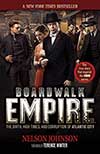
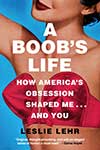
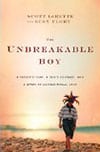
Notable authors include Nelson Johnson, author of Boardwalk Empire, which Martin Scorsese produced for HBO; Leslie Lehr, author of A Boob’s Life, which is currently being adapted for an HBO Max TV series by Salma Hayek; and Scott LeRette, author of The Unbreakable Boy, which was published by Thomas Nelson and is now a major motion picture by Lionsgate starring Patricia Heaton, Zachary Levi, and Amy Acker.
The founder of The Bestselling Author, Mark Malatesta, is a former literary agent, literary agency owner, AAR member, and Marketing & Licensing Manager for the gift and book publisher Blue Mountain Arts. He is now an author coach and consultant. Click here to see Mark Malatesta reviews.
About the Author
 The founder of The Bestselling Author, Mark Malatesta, is a former literary agent, literary agency owner, AAR member, and Marketing & Licensing Manager for the gift and book publisher Blue Mountain Arts. Mark is now a highly regarded author coach and consultant, dedicated to helping writers obtain literary agents. Drawing on decades of industry experience, he works with writers across genres, offering personalized coaching to navigate the complexities of the publishing world.
Through The Bestselling Author, Mark provides practical tools, industry insights, and motivational support tailored to each writer’s needs to help them do so. In addition to coaching, Mark shares his expertise through speaking engagements and online resources. His dedication to empowering authors has made him a trusted mentor in the writing community, earning him a reputation as a knowledgeable and approachable guide for writers pursuing their dreams. Click here for Mark Malatesta reviews.





 MARK MALATESTA is a former literary agent turned author coach. Mark now helps authors of all genres (fiction, nonfiction, and children's books) get top literary agents, publishers, and book deals through his company