

From book idea to querying literary agents—what are the steps involved and how long should everything take? Preparing to query literary agents can take anywhere from several weeks to years. Every writer’s timeline will be different. Some can be ready to query within months. Others can take a year or more.
This article is part of my guide about how to get a literary agent.
Most publishing guides focus on only one part of the process of preparing to query literary agents. They might explain how to write a book, revise a manuscript, build an author platform, create a proposal, write a query, or research agents. This article connects the entire process—in the best order—with best-case, typical, and worst-case timing for every major stage of the process.
That understanding can save writers considerable time, stress, and money. It can also help them reach their goals faster by preventing years of work on the wrong version of a book, an unnecessary platform strategy, ineffective pitch materials, or an outdated literary agent list.
The fastest path isn’t always fast—it’s doing the right things in the right order.
Quick Summary
The most informed writers figure out their book’s primary category, audience, market, approximate length, submission requirements, and platform needs before writing one word—or before writing much.
Platform-building should also begin early in some cases, especially for nonfiction writers. It can happen before, during, or immediately after writing the book. Working on the manuscript and platform simultaneously might shorten the overall calendar, although each task will generally take longer when the author’s time is divided.
The manuscript process itself has two main stages: write the book and revise the book. Qualified feedback can happen anytime, including on day one. The right professional feedback can dramatically speed the process by identifying expensive or time-consuming mistakes early. Poor or excessive feedback can slow the author down.
After the book and platform are ready, the writer develops the complete body of pitch information and supporting materials. The query letter comes afterward or last because it’s the concise version of that broader work.
Detailed literary agent research belongs near the end as well, so the information is current when the author begins submitting.
Key Takeaways
- Decide the book’s publishing direction before substantial writing begins.
- Build platform early when the category requires it.
- The manuscript process consists broadly of writing and revising.
- Qualified feedback can happen anytime and can accelerate or delay progress.
- Develop the complete pitch before writing the shorter query letter.
- Research and verify literary agents last so the information is current.
Table of Contents
- How to Understand the Timeline
- What “Ready to Query” Really Means
- Decide the Book’s Publishing Direction Before Writing
- Build the Author Platform Early—When Platform Matters
- Write the Book
- Get Qualified Feedback at Any Stage—including Day One
- Revise the Book
- Develop the Full Pitch and Supporting Materials
- Write the Query Letter
- Research, Prioritize, and Verify Literary Agents
- The Overall Timeline From Book Idea to Querying
- Frequently Asked Questions

1. How to Understand the Timeline
As I mentioned in the intro to this article, every writer’s timeline will be different and, for each major stage in the process, this article provides three timeframes:
- Best case means fast but genuinely possible.
- Typical means a practical timeframe writers can use when planning.
- Worst case acknowledges that the work might take much longer, require major redirection, or never become competitive in its current form.
These are planning estimates based on my decades in publishing as a former literary agent, former Marketing & Licensing Manager for Blue Mountain Arts, and author coach and consultant helping hundreds of authors receive offers from literary agents and/or traditional publishers. They aren’t promises or universal industry averages.
The stages shouldn’t simply be added together. Some work happens sequentially, but there can also be overlap. Platform-building and getting manuscript feedback can happen while the author writes and revises, for example.
2. What “Ready to Query” Really Means
A writer isn’t ready to query just because the first draft is complete—or because the writer is tired of revising it. The book, platform, pitch, and agent strategy all need to support the same publishing opportunity.
A query-ready author typically has:
- A complete and polished manuscript or nonfiction proposal
- A clear and accurate category, genre, and age range
- A suitable word count
- A defined primary audience
- A platform strong enough for the category, when relevant
- A concise query letter
- A current and carefully targeted literary-agent list
- Every document and bit of information that interested agents might request
- A system for sending and tracking submissions
The Authors Guild’s guidance about choosing and approaching literary agents recommends having a finished, polished manuscript for fiction or, for nonfiction, a proposal, sample chapter, and outline. Individual agents’ requirements vary, making it important to have all appropriate materials available before sending the first query.
Being ready to query also means that the author has addressed all known major weaknesses without waiting for absolute certainty. Your manuscript or pitch might not feel perfect to you forever. Continuing to alter individual words because submitting feels frightening isn’t the same as meaningful revision. I frequently remind my coaching and consulting clients about that, as it’s easy to get antsy and start tweaking things because you believe it might improve your position.
3. Decide the Book’s Publishing Direction Before Writing
It’s best to determine the book’s basic publishing direction before writing one word—or before writing very much. That doesn’t require outlining every chapter or saying no to creative discovery. It means understanding the kind of book being created and the expectations that come with it.
Before substantial writing starts, determine as much as possible about:
- The genre or category
- Whether it’s general-market, faith-based, crossover, regional, academic, or intended for another market
- The expected word-count range (based on the genre)
- The primary hook, reader promise, or transformation
- Whether comparable books demonstrate a viable audience
- Whether agents will expect a completed manuscript, proposal, or both
- Whether your author platform will be important
Those decisions should affect what the author writes, how the book is structured, how long it should be, what readers expect, and which parts of the concept need greater emphasis. A writer who delays these decisions might finish a manuscript that is too long, too short, difficult to categorize, written for the wrong age group, or unclear about its audience.
Writers can shift gears and change things as their project progress. However, changing the category, audience, structure, length, or positioning after completing the manuscript can require months or more of rewriting.
Early positioning doesn’t—or, at least, it shouldn’t—restrict creativity. It should help the author create the strongest version of the intended book.
- Best case: Several days.
- Typical: Two to six weeks.
- Worst case: Several months—or the writer completes much of the manuscript before discovering that the book needs a different category, audience, structure, length, or positioning.
4. Start Building Your Author Platform Early
Platform-building shouldn’t be postponed until after the manuscript, proposal, and query are complete. When platform is important, the author can begin before writing the first page, on the first day of writing, while developing the manuscript, or immediately after the manuscript is complete. For many nonfiction writers, beginning early is more important because it can take months or years to develop a meaningful platform.
Author platform can include professional authority, media visibility, speaking, a newsletter, published articles, podcasting, clients, organizational relationships, community leadership, an engaged online audience, or another credible way to reach your intended readers.
Platform doesn’t just mean social-media followers. A highly relevant professional network, speaking schedule, newsletter, organization, client base, or media presence might be more valuable than a larger but unrelated social media audience.
Fiction writers generally don’t need the same platform expected of many nonfiction authors. An existing readership, professional visibility, award history, or relevant credentials can still help, but the novel usually carries more of the publishing case.
Platform is never really complete. The immediate goal is to reach the point where it strengthens the project rather than giving agents a reason to question whether the author can reach readers.
For a detailed explanation, see What Is an Author Platform?
- Best case: The author already has a suitable platform or develops meaningful evidence of reach.
- Typical: Two to six months of focused development.
- Worst case: Six months to a year or more.
5. Write the Book
The writing process includes all the work required to create the first complete version of the manuscript or proposal-based project. It doesn’t need to be divided into separate formal stages for outlining, drafting, pausing, restarting, and finishing. Different writers work, well, differently. Some outline extensively, others discover the book while writing, and many use a combination of planning and discovery.
For fiction, memoir, and most children’s books, the manuscript should generally be complete before querying. For proposal-based nonfiction, the author might begin querying before writing the entire book. However, the concept, structure, proposal, chapter summaries, sample chapters, authority, and platform still need to demonstrate that the author can deliver the finished project.
Writing time will depend on the book’s category, length, complexity, research, the author’s experience and available hours, health and family responsibilities, whether the author is building a platform simultaneously, and whether feedback is being received along the way.
A short manuscript doesn’t always mean a short process. A picture book might contain only several hundred words, but the author could write dozens of versions before finding the strongest concept and language. A narrative history, biography, memoir, or research-intensive work might take years even when the author writes consistently.
- Best case: Several weeks to six months.
- Typical: Six months to two years.
- Worst case: Two or more years.
6. Get Qualified Feedback at Any Stage—at Any Time
Feedback can happen at any point. The sooner the better to save yourself time, headaches, and sometimes money. An author might seek guidance about the initial concept, category or market, outline, first chapter, partial manuscript, complete draft, revised manuscript, book proposal, or pitch materials.
Early feedback can prevent a writer from spending months or years pursuing a premise, category, structure, audience, or market approach that isn’t working.
Professional feedback can speed the process significantly when it identifies major issues early and establishes clear priorities.
An experienced publishing professional might quickly recognize that the book belongs in another category, the story begins in the wrong place, the protagonist lacks a strong goal, the manuscript is too broad, the reader promise isn’t distinctive, the target audience is unclear, the author needs a proposal, or that the platform needs work.
Professional feedback might also reveal that the writer is polishing chapters that should be removed—or that the book could be written or positioned in a more marketable way.
Discovering one of those issues after ten pages can save far more time and money than discovering it after three years and several paid editing rounds, for example.
Professional feedback can also help writers reach their goals faster by showing them which problems matter most, which suggestions can be ignored, and which version of the book offers the strongest publishing path.
Feedback can slow the process when it comes from unqualified readers, produces contradictory advice without priorities, or becomes a substitute for making decisions.
So be careful who you listen to.
Possible feedback sources include critique partners, beta readers, writing groups, subject-matter experts, authenticity or sensitivity readers, professional editors, and author coaches or consultants.
Not every source is equally qualified to answer every question. Friends and family can provide valuable emotional reactions and encouragement, but someone who loves the writer might not understand literary agent expectations, age-category requirements, commercial positioning, or the best proposal or query structure.
Writers also shouldn’t accept every suggestion automatically. Look for repeated concerns, confusion, places where interest declines, and problems affecting the book’s central promise.
The right feedback can shorten the path dramatically. The wrong feedback—or too much feedback—can make the process of getting to querying take longer.
Because feedback usually overlap with writing and revision, its complete duration shouldn’t automatically be added to the overall timeline. But you should factor it in to your plans.
- Best case: Useful guidance arrives within one day or several weeks and prevents a major wrong turn.
- Typical: One to four months for each meaningful feedback round.
- Worst case: Six months or longer.
7. Revise the Book
Revision includes everything required to turn the initial draft into a marketable manuscript or proposal.
- For fiction and memoir, revision can involve structure, plot, character, point of view, pacing, stakes, voice, emotional arc, opening, ending, word count, sentence-level editing, and proofreading.
- For nonfiction, it can involve the reader promise, organization, argument, method, evidence, examples, chapter progression, authority, market differentiation, redundancy, sentence-level editing, and proofreading.
- For children’s books, it can involve age appropriateness, length, child appeal, read-aloud quality, story structure, emotional arc, page-turn opportunities, adult explanation, illustration dependence, and word choice.
The author might complete several or many revision rounds and seek feedback between them. Conceptual and structural problems should generally be addressed before investing heavily in sentence-level polishing. Otherwise, a writer can spend weeks perfecting pages that later need to be removed.
Revision also includes deciding what not to change. Some feedback reflects one reader’s preferences rather than the needs of the book. Other suggestions might improve one part of the manuscript while weakening its voice, purpose, market, or emotional effect.
Professional editing can help, but authors aren’t required to hire every type of editor—or any professional editor—to query successfully.
Literary agents generally expect writers to submit polished work, but agents often provide editorial direction before or after offering representation. The author’s responsibility is to make the manuscript as strong as reasonably possible before querying rather than expecting an agent to repair an early draft.
- Best case: One to three months for an already strong draft.
- Typical: Four to twelve months.
- Worst case: One to three years or longer—or the manuscript needs to be substantially rebuilt.
8. Develop the Full Pitch and Supporting Materials
Before writing the query letter, develop the broader body of information that can be used to describe, explain, and position the project. The query is the short form of this larger body of work.
Depending on the category, the complete information might include:
- Title and subtitle
- Category or genre
- Age range
- Final word count
- One-sentence hook
- Short description
- Longer overview
- Complete synopsis
- Primary and secondary audiences
- Reader problem, need, or benefit
- Comparable-title analysis
- Book differentiation
- Author biography
- Credentials and authority
- Author platform
- Marketing opportunities
- Chapter summaries
- Sample chapters
- Research and source information
- Manuscript status
- Series potential
Fiction
Novelists need a synopsis, complete manuscript, author biography, comparable titles, short and extended pitches, and series information when relevant. Not many fiction agents require a book proposal.
Picture Books
Picture-book writers don’t need a synopsis but they need everything else above as well as illustration notes when necessary and a portfolio link if the author is also the illustrator.
Nonfiction
Nonfiction writers drafting memoir, narrative nonfiction, and other types of nonfiction typically need a synopsis and/or chapter summaries, a complete manuscript or book proposal with sample chapters, author biography, comparable titles, broader reader relevance, and platform information.
Narrative nonfiction writers might also be required to provide research plans, source information, access, and author authority.
Agent Variance
Submission requirements differ among agents as well, not just genres. That’s another reason writers need the broader body of information and material ready before submitting.
Developing the complete pitch challenges the author—in a good way—to confront everything that might matter about the book, readership, market, author, authority, platform, and promotional possibilities.
It can also reveal problems manuscript revision didn’t reveal. The author might realize that the audience is vague, the comparable books don’t support the claimed market, the book isn’t sufficiently different, the platform doesn’t reach the reader, the synopsis reveals a weak middle, or the manuscript and pitch describe different books.
It’s best, of course, to catch those things sooner rather than later. The materials should agree with one another. The overview, synopsis, proposal, chapter summaries, sample pages, and manuscript should all support the same project.
See How to Write Chapter Summaries for Literary Agents, Author Bio—What to Say to Literary Agents, Publishers, and Readers, and Literary Agent Submissions for more guidance.
Develop everything before deciding what to say in the query.
- Best case: Two to four weeks for a straightforward fiction or children’s-book package.
- Typical: One to three months.
- Worst case: Six to twelve months or longer, particularly for a complex nonfiction proposal or project with unresolved positioning problems.
9. Write the Query Letter
The query letter comes after—at least it should come after—everything else is done. By this point, the author should have already considered the book’s category, length, audience, hook, conflict or reader problem, stakes or promised benefit, comparable titles, author credentials, platform, marketing possibilities, and distinguishing qualities. The query should then present the most important and persuasive material from that larger body of work.
Writing the query can still expose manuscript or positioning problems. If the author can’t describe the book clearly after developing the broader materials, the problem might involve an unfocused manuscript, weak central conflict, uncertain audience, unclear category, or unconvincing differentiation. The final query should also be checked against the opening pages and complete book. It needs to promise the experience the manuscript delivers.
For more on that topic, see How to Write a Literary Agent Query Letter.
- Best case: Several days.
- Typical: Two to six weeks.
- Worst case: Several months and multiple revisions—or the query reveals book and positioning problems requiring additional work.
10. Research, Prioritize, and Verify Literary Agents
Detailed literary agent research should be the final major stage so the information is as current as possible when querying begins. Literary agent information changes frequently. Agents move agencies, open and close to submissions, revise wish lists, change categories, update submission methods, announce sales, and leave the business.
Authors can develop general awareness earlier. They might follow some agents online, save names, note comparable title acknowledgments, or maintain a preliminary list while writing. The detailed list used for submissions should be created or thoroughly updated near query time.
The most famous agent isn’t automatically the best agent for the project. Neither is a newer or associate agent. Don’t assume they will have more room, energy, and incentive to build a list. You can do well either way. That’s why I advise my coaching and consulting clients to query the best agents first.
After researching agents, prioritize them in groups such as strongest fit, strong fit, possible fit, and stretch opportunity. The first group should contain agents the author would genuinely be excited to sign with—not only agents being used as a test. Some people suggest that as a wise strategy. Please don’t do that. You might get an offer from a less successful agent and find yourself conflicted.
Immediately before each submission, verify that the agent is still at the agency, open, a fit for your type of book, and hasn’t changed the submission method or required materials. Confirm the agency’s rules about querying more than one agent, the current response policy, and the legitimacy of the agent and agency.
The Association of American Literary Agents is one useful professional resource, but individual agency websites should remain the controlling source for current submission instructions.
Create some type of tracking system containing the agent and agency, submission date, materials sent, agency rules, expected response window, follow-up date when permitted, requests, rejections, offers, notes, and document version.
At the end of this stage, the book is polished, the pitch materials are complete, the query is ready, the agent list is current, and the first submissions should be sent.
- Best case: Two to four days.
- Typical: One to two weeks.
- Worst case: Two weeks or longer.
11. The Overall Timeline From Book Idea to Querying
The full timeline depends more on the condition and demands of the project than on manuscript length alone. A short manuscript might require years of conceptual work and revision. A professional writer with deep expertise might complete a long nonfiction proposal relatively quickly. The following ranges begin before substantial writing and end when the first group of queries is ready to send.
Shorter or Nearly Completed Project
The author has a manageable manuscript, substantial experience, useful platform when required, and limited revision needs.
- Best case: Two to four months.
- Typical: Four to nine months.
- Worst case: One year or longer.
Typical Full-Length Book
The author determines the publishing direction, writes a complete manuscript, completes several revision rounds, receives qualified feedback, develops the full pitch materials, writes the query, and researches agents.
- Best case: Four to nine months.
- Typical: One to one and a half years.
- Worst case: Two years or longer.
Research-Heavy or Platform-Dependent Nonfiction
The project requires significant research, authority, proposal development, sample chapters, and platform growth.
- Best case: Six months to one year.
- Typical: One to two and a half years.
- Worst case: Several years—or the manuscript, proposal, or platform never becomes competitive enough to query successfully.
Picture Book
The manuscript is short, but the author might write and revise many versions—or develop several manuscripts—before querying.
- Best case: One to three months.
- Typical: Up to six months.
- Worst case: More than six months.
These timeframes aren’t reasons to delay starting, but reasons to begin intelligently.
A writer who understands the complete process can make early decisions that eliminate wasted work, seek useful feedback before expensive mistakes become embedded, and build a platform while writing rather than discovering the need years later.
That can save time, stress, and money. More important, it can help the writer reach the right literary agents—and the writer’s larger publishing goals—much faster.
Prepare Thoroughly Without Preparing Forever
Writers can query too soon—or they can prepare forever.
Some writers send an unfinished, unpolished, or poorly positioned project because they’re eager to start. Others keep adjusting words, researching, gathering feedback, or building materials long after the submission package is strong enough to go out.
Query when the meaningful preparation is complete—not when all uncertainty has disappeared, as it might never completely disappear.
Once the book is polished, the platform is sufficient when relevant, the pitch materials and query are finished, and the agent list is current, the preparation stage is complete.
The next phase begins with the first query.
Get Help Going From Book Idea to Querying Literary Agents
Every pre-query decision can affect what comes next: the book concept, category, audience, platform, manuscript, feedback, revisions, proposal, synopsis, query, and literary agent list. I can help you see the strongest path early, avoid expensive or time-consuming mistakes, improve your manuscript and pitch materials, and identify the types of literary agents most appropriate for your project.
That support will also increase your odds of getting a literary agent.
Since 2011, as an author coach and consultant, I have helped 450+ writers receive offers from literary agents and/or traditional publishers.
I would be honored to help you as well.
FAQ: From Book Idea to Querying Literary Agents—Steps and Timeline
How long does it take to go from a book idea to querying literary agents?
A shorter or nearly finished project might be ready within two to four months. A typical full-length project can take years from early planning through writing, revision, pitch preparation, and agent research.
When should I decide my book’s category?
Before writing one word—or before writing very much. Early clarity about category, audience, age range, market, length, and submission requirements can prevent extensive rewriting later.
Can I change my book’s category after writing it?
Yes, but changing from fiction to memoir, adult to young adult, general-market to faith-specific, or one nonfiction form to another might require substantial revision.
Should I build my platform before writing the book?
When platform matters, start as early as possible. You can begin before writing, while writing, or immediately after completing the manuscript.
Does every author need a platform?
No. Platform generally matters more for nonfiction than fiction. However, existing readership, credentials, awards, or visibility can still help novelists and children’s-book authors.
Can I write the book and build my platform simultaneously?
Yes. Doing both at once can shorten the complete calendar, although each individual task will probably take longer because your time and energy are divided.
Does fiction need to be complete before querying?
Generally, yes. Most fiction writers should have a complete and polished manuscript before approaching literary agents.
Does memoir need to be complete before querying?
Usually. Some agents also request memoir proposals, but an unpublished memoirist should generally expect to have the complete manuscript ready.
Does nonfiction need to be complete before querying?
Not always. Many proposal-based nonfiction authors query with a proposal, chapter summaries, sample chapters, platform information, and a clear plan for completing the book.
How long does it take to write a book?
It can take several weeks, several years, or decades. Six months to two years is a useful broad estimate for many projects, but category, length, research, experience, and available writing time matter greatly.
How long does book revision take?
An already strong manuscript might need one to three months. Four to twelve months is a broader typical range, and some books require several years of revision.
When should I get feedback on my book?
Anytime—including before you begin writing. Feedback on the concept, category, outline, opening, partial manuscript, complete draft, proposal, or pitch can all be useful.
Can professional feedback speed the process?
Yes. Qualified professional feedback can identify major problems early, clarify priorities, and prevent unnecessary drafts, editing expenses, platform work, or years spent pursuing the wrong version of a book.
Can feedback slow the process?
Yes. Unqualified, contradictory, excessive, or poorly prioritized feedback can cause confusion and endless revision.
Do I need to hire a professional editor?
No. Many traditionally published writers secure representation without hiring an editor. The manuscript still needs to be polished enough to compete.
Should I write the query before the other pitch materials?
No. Develop the broader information first—the audience, comparable titles, overview, synopsis, author biography, platform, marketing possibilities, chapter summaries, and other relevant material. Then select the strongest elements for the shorter query.
Why can writing a synopsis reveal manuscript problems?
A synopsis shows the book’s complete progression. Weak motivation, missing causality, repetitive events, structural gaps, and an unsatisfying ending often become easier to see when the entire book is summarized.
What materials should fiction writers prepare?
Generally, a query, synopsis, sample pages, author biography, and complete manuscript. Some agents might request additional material.
What materials should nonfiction writers prepare?
Most proposal-based nonfiction authors need a query, proposal, overview, audience analysis, comparable-title section, author biography, platform, marketing plan, chapter summaries, and sample chapters.
What materials should picture-book writers prepare?
Generally, a query and complete manuscript. Author-illustrators might also need a portfolio link, and some agents might request additional information.
How long does it take to write a query letter?
A strong query might be created within several days, but two to six weeks is a more typical range when feedback and revision are included.
When should I research literary agents?
Detailed agent research should be one of the final major steps so the information is current when you begin querying.
Can I start saving agent names earlier?
Yes. You can keep a preliminary list while writing, but verify and update every entry near submission time.
How long does literary-agent research take?
Two to four weeks is a fast result. One to three months is typical for a substantial, carefully researched list.
Why should I verify literary agents again before submitting?
Agents change agencies, open and close, revise wish lists, update requirements, and leave the business. Even relatively recent information can become outdated.
Should I query every appropriate agent at once?
Usually not. Sending in groups lets you evaluate response patterns and adjust the query or opening pages when the evidence supports doing so.
How do I know when I’m ready to stop revising and start querying?
You’re ready when all known major weaknesses have been addressed, the pitch accurately reflects the book, the required materials are polished, and further changes are mostly driven by anxiety rather than clear improvement.
About
This article, “From Book Idea to Querying Literary Agents—Steps and Timeline,” was written by a former literary agent turned author coach. Mark Malatesta is the creator of The Directory of Book Agents, host of Ask a Publishing Agent, and founder of Literary Agent Undercover and The Bestselling Author.
Mark has helped hundreds of authors get offers from literary agents and/or traditional publishers. Writers of all Book Genres have used our Book Agent Advice coaching/consulting to get Top Literary Agents at the Best Literary Agencies on our List of Literary Agents.
The Bestselling Author, LLC
 Established in 2011, The Bestselling Author has helped 400+ authors get literary agents and/or traditional publishers. Writers who’ve worked with Literary Agent Undercover, a division of The Bestselling Author, have gotten six-figure book deals; been on the New York Times bestseller list; had their books adapted for TV, stage, and feature film; had their work licensed in 40+ countries; and sold many millions of books.
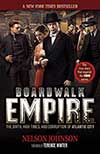
Notable authors include Nelson Johnson, author of Boardwalk Empire, which Martin Scorsese produced for HBO; Leslie Lehr, author of A Boob’s Life, which is currently being adapted for an HBO Max TV series by Salma Hayek; and Scott LeRette, author of The Unbreakable Boy, which was published by Thomas Nelson and is now a major motion picture by Lionsgate starring Patricia Heaton, Zachary Levi, and Amy Acker.
The founder of The Bestselling Author, Mark Malatesta, is a former literary agent, literary agency owner, AAR member, and Marketing & Licensing Manager for the gift and book publisher Blue Mountain Arts. He is now an author coach and consultant. Click here to see Mark Malatesta reviews.
About the Author
 The founder of The Bestselling Author, Mark Malatesta, is a former literary agent, literary agency owner, AAR member, and Marketing & Licensing Manager for the gift and book publisher Blue Mountain Arts. Mark is now a highly regarded author coach and consultant, dedicated to helping writers obtain literary agents. Drawing on decades of industry experience, he works with writers across genres, offering personalized coaching to navigate the complexities of the publishing world.
Through The Bestselling Author, Mark provides practical tools, industry insights, and motivational support tailored to each writer’s needs to help them do so. In addition to coaching, Mark shares his expertise through speaking engagements and online resources. His dedication to empowering authors has made him a trusted mentor in the writing community, earning him a reputation as a knowledgeable and approachable guide for writers pursuing their dreams. Click here for Mark Malatesta reviews.








 MARK MALATESTA is a former literary agent turned author coach. Mark now helps authors of all genres (fiction, nonfiction, and children's books) get top literary agents, publishers, and book deals through his company