

A writer’s appearance is far less important to literary agents than a writer’s book—but appearance can affect perception, bias, branding, marketability, meetings, and representation. Most literary agents initially evaluate a query letter, synopsis or proposal, sample pages, and author bio without requesting a photograph. This article is part of my guide about how to get a literary agent.
No matter what type of book you write, an agent can often become interested in it without knowing what you look like. That’s usually how it goes. Appearance is more likely to enter the process later, when an agent visits your website or social media, sees a photograph or video, meets you at a conference or on Zoom, or considers your platform and publicity potential.
Most publishing advice about appearance focuses on headshots, author websites, branding, and publicity. For example, Publishers Weekly shares author-photo advice on their site.
But here’s the hard question you might be asking: Could the way I look affect whether a literary agent wants to represent me?
Research in many settings consistently shows that appearance can influence perceptions of competence, intelligence, trustworthiness, likability, and professional potential. Agents are human, so they can (okay, will) often make some assumptions based on appearance, just as writers can make assumptions after seeing photographs of literary agents.
Your appearance won’t determine whether an agent likes a writer’s ms pages. It can affect what the agent imagines about the author, audience, platform, and publishing opportunities related to them.
Quick Summary
Writers don’t need to include an author photograph when querying literary agents. During the initial submission stage, agents usually see the book before the writer.
Appearance can impact representation in three main ways:
- Bias: Assumptions based on attractiveness, age, body type, disability, race, gender presentation, clothing, grooming, tattoos, hairstyle, or other visible characteristics.
- Presentation: Impressions—accurate or inaccurate—about professionalism, confidence, judgment, authenticity, preparedness, or audience awareness.
- Market relevance: Situations in which the author’s image, personal story, public visibility, or media presence genuinely affects how the book can be positioned and promoted.
Appearance usually matters less for fiction and more for nonfiction, memoir, and projects in which the author’s identity, expertise, platform, or personal transformation is part of the story.
The goal, at least to me, isn’t to try and make a writer “more attractive.” It’s to help writers understand what matters, improve (within reason) what you can, recognize when your distinctive appearance can improve your positioning, and know when appearance crosses an important line.
Key Takeaways
- Most agents initially evaluate your words, not your appearance.
- Don’t attach a photograph to a query unless it’s requested or relevant.
- Appearance bias can affect perception, but it doesn’t operate predictably or always favor conventionally attractive people.
- Professional presentation matters more than conventional attractiveness.
- Appearance can matter more when the author’s identity, platform, public visibility, or personal story is closely connected to the book.
- Your strongest advantages remain an excellent book, strong positioning, and a professional presentation that feels authentic to you.
Table of Contents
- Why Writers Worry About Their Appearance
- When Appearance Enters the Publishing Process
- Bias, Presentation, and Market Relevance
- Marketable Doesn’t Mean Photogenic
- How Appearance Matters Across Book Categories
- Professional Presentation and Author Photos
- When Appearance Helps—or Hurts
- AI Headshots, Filters, and Heavy Retouching
- Your Online and In-Person Presentation
- Disability, Body Size, Facial Difference, and Health
- When an Agent Comments on Your Appearance
- Frequently Asked Questions

1. Why Writers Worry About Their Appearance
Writers sometimes ask me:
- Do I need to be attractive to get a literary agent?
- Will my weight hurt me?
- Will an agent think I’m too old?
- Should I hide my tattoos?
- Do I need a professional headshot?
- Will visible disability affect how agents perceive me?
- Should I dress differently for a pitch session?
- Will an agent search for my photograph before responding?
- Does appearance matter more for nonfiction?
Those questions make sense because publishing decisions aren’t made by publishing companies but by humans at those publishing companies. Agents read and pitch books, but they represent authors, audiences, markets, platforms, careers, and working relationships.
For most fiction writers, appearance isn’t a major issue. However, for some nonfiction writers, memoirists, public figures, speakers, performers, and experts, the author’s public identity can be more important and part of the “package.”
Appearance isn’t just conventional “attractiveness.” It can involve age, race, ethnicity, gender presentation, body size, visible disability, facial difference, hair, tattoos, clothing, religious attire, grooming, posture, photographs, and video presentation.
Some of those things involve identity and shouldn’t be changed, whereas others involve presentation choices that are relatively easy to change—and sometimes should be.
Improving poor lighting in a headshot isn’t the same as being told to change your body. Choosing clothing that works well on television isn’t the same as hiding religious attire. Updating a twenty-year-old photograph isn’t the same as hiding your age.
Appearance strategy should improve clarity and presentation—not alter your identity.
2. When Appearance Enters the Publishing Process
During the initial query process, an agent typically sees your words before they see you. They review some combination of your query, synopsis or proposal, biography, and sample pages.
That gives your work a chance to speak for itself, before anything else.
When I was a literary agent, I didn’t need an author photo to determine whether a book premise interested me, whether a book seemed marketable, or whether the pages worked.
Appearance comes up later, when an agent:
- Searches your name online
- Visits your website or social media profiles
- Reviews your platform or speaking history
- Meets you through Zoom or in person
- Considers publicity and promotional opportunities
- Evaluates how the author and book might be positioned
By the way, at that point, the agent starts to experience more than your appearance. They start to experience your communication style, preparation, listening skills, energy, judgment, professionalism, and ability to discuss your book.
The importance of appearance varies a lot according to the type of book. A novelist and a television-based lifestyle expert aren’t going to have the same expectations.
For most novelists, appearance shouldn’t matter much. However, for nonfiction with a visible personal story, an established media personality, or an author whose public identity is closely connected to the book’s promise, it can matter a lot.
The more visible the author becomes, the more presentation can affect perception—but the book still needs to create the opportunity to be visible first.
3. Bias, Presentation, and Market Relevance
Appearance can affect representation in three ways.
Bias
Literary agents are human so they will make conscious or unconscious assumptions based on what you look like. Those assumptions might involve intelligence, health, competence, warmth, discipline, class, politics, age, confidence, reliability, or audience fit.
They might be positive, negative, or contradictory assumptions.
And they might be completely wrong.
Research outside publishing consistently shows that appearance, not surprisingly, can influence professional judgment. For example, this employment-related meta-analysis found that people perceived as attractive (no surprise) generally receive more favorable professional evaluations, even when evaluators had substantial job-related information.
This is often called the halo effect: one positive impression impacts judgments about unrelated qualities. The opposite can also happen, when one negatively perceived characteristic influences other judgments.
An agent probably isn’t going to consciously think:
This author looks attractive, so their book must be good.
Instead, bias would appear more like this:
- This person looks confident.
- This author would interview well.
- This person seems credible.
- Readers will relate to this author.
- This person looks difficult to market.
Those impressions can feel like intuition to the agent, not bias.
Presentation
Presentation is about choices such as clothing, grooming, photographs, posture, facial expression, website design, video quality, and meeting preparation. A weak photograph or wild Zoom background isn’t proof that an author is unprofessional, but it can create that impression. The good news is that presentation is something you can change without changing who you are.
Market Relevance
Sometimes an author’s visible identity has a real relationship with the book’s premise, audience, authority, platform, or promotional possibilities.
For example:
- A fashion author has a distinctive personal style.
- A television personality already has a recognizable public image.
- A memoir concerns a visible disability or facial difference.
- A fitness author’s transformation is part of the premise.
- A book about aging draws partly on the author’s public identity.
- A body-image author visibly challenges the standards examined in the book.
Those situations involve more than attractiveness. The author visually represents part of the subject, experience, argument, or brand.
Another example is the author of the diet book I promoted in my newsletter this week, who I helped to get a literary agent in New York. He looks fit and healthy, and that matters for his book. His appearance wouldn’t matter in the same way if his book was about computers.
4. Marketable Doesn’t Mean Photogenic
Publishing professionals sometimes describe an author as marketable, but that doesn’t necessarily mean attractive.
An author can be marketable because of:
- Expertise
- Credibility
- Platform
- Voice
- Personal history
- Media experience
- Community relationships
- Speaking ability
- A distinctive perspective
- An unusual or timely story
- A strong relationship with the target readership
A writer can be memorable, trustworthy, funny, moving, authoritative, charismatic, or fascinating without being conventionally attractive. And, by the way, conventional attractiveness isn’t always an advantage. A person perceived as highly attractive might be sexualized, underestimated, viewed as less serious, considered overly polished, or seen as less relatable to some audiences.
Beauty standards also vary a lot by culture, age, race, gender, community, and individual preference. What’s attractive to some people, as you know, isn’t attractive to others.
Publishing possibilities come from the relationship among the book, author, audience, and market—not from whether the author is, has been, or could be, a model.
5. How Appearance Matters Across Book Categories
Adult Fiction
Appearance matters least for adult fiction. Agents are mainly evaluating the book concept, voice, characters, plot, genre, word count, market positioning, and writing quality.
A novelist doesn’t need to resemble the protagonist or intended reader, by the way. A romance author doesn’t need to look romantic. A thriller author doesn’t need to look dangerous. A fantasy writer doesn’t need a mystical public persona. A horror novelist doesn’t need to dress in black.
A unique or distinctive visual brand can help later, especially for authors who are active on social media, at conventions, or in genres with strong fan communities. But it’s optional.
The book is the product—the author is secondary.
Adult Nonfiction
Appearance often matters more with adult nonfiction because agents and publishers often put equal weight on the book and who the author is. Not just looks but expertise and platform.
That’s especially true when platform, speaking, media presence, personal results, or public authority are part of the publishing pitch package.
Appearance will usually get more attention in areas such as fashion, beauty, fitness, health, lifestyle, aging, relationships, personal transformation, entertainment, media, body image, disability, and personal branding.
That doesn’t mean the author needs to meet a conventional beauty standard. It means the author’s visible identity can interact with the premise and promise of the book.
Memoir
With memoir, the author is often central to both the story and the marketing.
Appearance can be especially relevant when the memoir concerns body image, weight, illness, disability, facial difference, aging, gender identity, race, ethnicity, beauty culture, fashion, religious identity, recovery, or transformation.
A photograph can sometimes help an agent understand the premise quickly. It can also introduce irrelevant bias. Don’t include a photograph simply because memoir is personal. Include one only when it meaningfully strengthens the proposal or the agent requests it.
Children’s Books
Children’s book authors can become public-facing through school visits, libraries, festivals, workshops, readings, conferences, educational media, and social content. So agents and publishers can consider whether an author seems prepared, engaging, reliable, and comfortable in those environments.
Those qualities don’t match up, of course, with just one type of face, body, age, clothing, or personality. A quiet author can conduct an excellent school visit, a disabled author can build a powerful educational platform, and an unconventional appearance makes some authors more memorable.
6. Professional Presentation and Author Photos
Writers sometimes combine two separate concerns:
- Am I attractive enough?
- Do I present myself professionally?
The first question usually isn’t important, but the second one is—always.
Professional presentation can involve:
- A current and recognizable photograph
- Clear lighting
- Clean audio and video
- Appropriate clothing for the context
- A calm meeting environment
- Preparation
- Clear communication
- Listening
- Respect for time
Professional doesn’t mean expensive. It also doesn’t require makeup, designer clothing, cosmetic procedures, a particular body type, formal business attire, or conformity to one cultural style. A wheelchair user can look professional. So can a heavily tattooed writer, a woman wearing a hijab, a writer with facial scarring, a seventy-five-year-old author, or a young writer with brightly colored hair. Professionalism is communicated most strongly through preparation, judgment, reliability, and behavior.
Should You Include a Photo With Your Query?
Most standard query packages don’t require an author photograph. Agent guidelines generally focus on the query, author bio, synopsis or proposal, and writing sample.
Only include a photograph when:
- The agent or submission form requests it.
- The proposal format calls for it.
- Your appearance is genuinely part of the premise or authority.
- You’re already a recognizable public figure.
- The project has an important visual component.
- The photograph materially strengthens the platform or marketing case.
Don’t include a photograph merely to prove that you look professional, likable, attractive, young, healthy, fashionable, or marketable.
A query should sell the book. An author photo should appear only when it helps sell the right publishing case.
Creating an Effective Author Photo
Writers eventually benefit from having a usable author photograph, even when they don’t need one for querying. Author photos can appear on websites, book jackets, retailer pages, event programs, social profiles, interviews, media coverage, and publicity materials.
Publishers Weekly’s author-photo advice recommends a clear, current image that communicates something appropriate about the author and can be reused in promotional settings. Your photograph should generally be current, recognizable, well lit, in focus, visually uncluttered, and available in high resolution.
A professional photographer can help, but isn’t always necessary. A newer smartphone, natural light, a simple background, careful framing, and a skilled friend can create a strong photograph. The goal isn’t to look flawless. It’s to look clear, credible, and like yourself on a good day.
7. When Appearance Helps—or Hurts
Appearance can improve or strengthen a publishing pitch when it adds:
- Recognizability: You already have a public profile or established visual brand.
- Authenticity: Your visible experience is central to the book.
- Audience connection: Your presentation creates a natural connection with intended readers.
- Brand consistency: Your visual identity fits the book’s tone and subject.
- Media readiness: You have experience appearing in interviews, videos, speaking engagements, or live events.
- Distinction: You’re memorable in a way that supports the book.
None of those advantages requires conventional attractiveness. The more common problems pop up when the presentation sends the wrong message.
For example, a playful casual photograph might conflict with a serious professional book. A serious or rigid corporate headshot might feel disconnected from an intimate memoir. A photograph taken twenty years ago might create confusion when you appear for publicity. A blurry or cluttered image can look unprepared.
The opposite is also true. An overly manufactured image can create problems. Dressing as an exaggerated version of your target reader can feel calculated and create a disconnect.
And sometimes the problem has nothing to do with anything you did. An agent can make unfair assumptions based on age, weight, disability, tattoos, race, class, gender presentation, clothing, or attractiveness.
Bias is an unavoidable part of life.
You can’t control every conclusion another person reaches, but you can reduce unnecessary exposure to bias.
8. AI Headshots, Filters, and Heavy Retouching
Writers now have access to AI-generated headshots, beauty filters, face reshaping, skin smoothing, digital makeup, background replacement, and virtual clothing. Those tools can produce polished results but they can also alter an author’s face, body, age, expression, hair, or features enough to create someone who doesn’t really exist.
There are pros and cons to everything.
This online study involving beauty filters found that altered versions of the same faces received higher ratings not only for attractiveness but also for qualities such as intelligence and trustworthiness. That illustrates how seemingly small visual changes can influence broader impressions.
But, if you use AI or heavy editing, please (for your own sake):
- Keep your face recognizable.
- Don’t materially misrepresent your age, body, hairstyle, wardrobe, office, or professional identity.
- Review hands, teeth, glasses, jewelry, hair, backgrounds, and clothing for AI errors.
- Make sure you have the right to use photographs you upload.
- Review the provider’s commercial-use and privacy terms.
Copyright can also become more complicated when expressive elements of an image are generated primarily by AI. The U.S. Copyright Office has stated that generative-AI output is copyrightable only when sufficient human authorship determines the protected expressive elements. Prompts alone generally aren’t enough. The safest practical goal is to share a polished, recognizable version of you—not a digitally invented “other” author.
9. Your Online and In-Person Presentation
As you might imagine, an agent might reach your website or social profiles through links in your submission or by searching your name. They might encounter profile photographs, older public photographs, videos, interviews, event appearances, political or religious imagery, costumes, vacation photos, memes, promotional graphics, and photographs posted by other people.
Make sure you know what they’re going to find.
You don’t need to remove every informal photograph or create a sterile corporate identity. You should simply know what an agent is likely to encounter and consider whether it supports, contradicts, or distracts from the book you’re pitching.
The more public-facing the category, the more likely agents and publishers are to examine an author’s larger platform.
Conferences, Pitch Sessions, and Zoom
Writers often put too much pressure on how they look during agent meetings. Agents are usually paying a lot more attention to the book, how clearly you describe it, whether you understand the category, whether you listen, how you answer questions, and whether the conversation creates interest.
For an in-person meeting, wear something comfortable, intentional, and appropriate to the setting. You don’t need to dress as if you’re auditioning for a role.
For Zoom, put the camera near eye level, use useful lighting, test your sound, reduce avoidable distractions, and know how the platform works before the meeting begins.
Good lighting often does more for a video meeting than expensive clothing or cosmetics. Preparation creates confidence. So, prepare.
Tattoos, Hair, Clothing, and Personal Style
Unconventional style doesn’t automatically hurt an author.
Sometimes it helps.
Tattoos, piercings, brightly colored hair, natural hairstyles, distinctive clothing, religious dress, or subcultural style can communicate authenticity, creativity, community membership, and confidence.
They can also trigger assumptions.
So, be aware.
You don’t need to neutralize your appearance for every meeting. You can, however, choose a quieter presentation when you want the book to receive attention before your personal style does.
Personal expression and strategic presentation can coexist.
10. Disability, Body Size, Facial Difference, and Health
Visible disability, facial difference, body size, scarring, illness, or medical equipment can expose authors to unfair assumptions involving energy, reliability, intelligence, health, travel capacity, media appeal, or audience comfort.
Those same characteristics can also create genuine connection, authority, representation, and reader trust when the experiences relate to the book.
Authors shouldn’t assume they need to conceal a disability, avoid mobility aids, lose weight, hide scars, cover a facial difference, appear healthier than they are, or explain private medical information to be taken seriously.
What you think about a thing can be just as important as the thing itself. Sometimes more so. So, try to be comfortable in your own skin.
11. When an Agent Comments on Your Appearance
Not every appearance-related suggestion from an agent is inappropriate.
An agent might (understandably) recommend:
- Updating an outdated headshot
- Improving photograph quality
- Creating more consistent visual branding
- Preparing for video interviews
- Choosing an image that better reflects the book’s tone
- Developing media skills
- Obtaining photographs suitable for publicity
Those suggestions concern presentation and publishing strategy.
Normal. Fine.
Concerning would be pressure to lose weight, undergo cosmetic procedures, appear younger, conceal a disability, change culturally meaningful hair, remove religious attire, dress more sexually, hide gender identity, alter race-coded features, or tolerate sexualized remarks.
No.
If an agent gives you appearance-related advice, ask yourself:
- Is this advice about presentation quality or my body?
- Does it have a clear relationship with the book and audience?
- Is the agent offering an option or imposing a condition?
- Is the advice respectful?
- Would the agent likely give comparable advice to another author?
- Would following it violate my health, identity, values, or boundaries?
- Do I trust this person to represent me over the long term?
An agent-author relationship requires trust. You don’t need representation that depends on becoming someone you don’t want to be.
Let Agents See the Right Things
Your appearance can affect literary agents and publishers, but usually later and more indirectly than writers imagine. The initial query often gives you the valuable opportunity to be evaluated primarily through your idea, writing, credentials, platform, and presentation of the book.
Use that opportunity.
Don’t add an unnecessary photograph because you hope attractiveness will help. Don’t assume age, weight, disability, facial difference, tattoos, natural hair, religious clothing, or personal style makes representation impossible.
As you become more visible, focus on what you can control without erasing yourself:
- Clarity
- Preparation
- Image quality
- Communication
- Audience awareness
- Authenticity
- Professional boundaries
Agents aren’t looking for models. They’re choosing books and authors they believe they can represent, sell, and work with.
You don’t need to look like someone else’s idea of an author. You need to present a clear, intentional version of yourself—and give agents a book strong enough to remain the center of attention.
Get Help Positioning and Pitching Your Book
Appearance can intersect with your query, author bio, platform, website, photograph, public identity, media potential, and literary-agent strategy. I can help you determine what to reveal, what to omit, how your public presentation might be perceived, whether your appearance genuinely supports the publishing case, and how to keep agents focused on the strongest parts of your book and platform.
As a former literary agent, former Marketing & Licensing Manager for the book division of Blue Mountain Arts, and author coach and consultant who has helped 450+ writers get offers from literary agents and/or traditional publishers, I can help you give yourself and your book the best possible chance. Explore 1-on-1 author coaching and consulting.
Related Articles About Authors, Identity, and Literary Agents
This article is part of a larger series about author characteristics, beliefs, backgrounds, and circumstances that can affect literary-agent and publisher decisions:
FAQ: How a Writer’s Appearance Can Impact Literary Agents
Do literary agents care what authors look like?
Sometimes. Appearance usually matters indirectly through bias, professional presentation, author branding, platform, media potential, or the book’s subject.
Will an agent see my photograph when I query?
Not necessarily. Most standard query packages don’t require a photograph, although an agent might find one on your website or social profiles.
Should I attach an author photo to my query?
Usually not. Include one only when requested or when it meaningfully supports the book’s premise, authority, platform, or proposal.
Can being attractive help me get a literary agent?
It might influence perception, but attractiveness doesn’t guarantee interest or representation. It can also produce negative assumptions in some situations.
Can my appearance hurt my chances?
Bias can affect decisions, but appearance is rarely the clearest explanation for a rejection. The book, pitch, market, timing, and agent fit generally matter more.
Does appearance matter more for nonfiction?
Often, especially when the author’s public persona, platform, speaking, media presence, personal results, or visual identity supports the publishing case.
Does appearance matter for fiction writers?
Usually much less. The novel’s concept, writing, characters, genre, and marketability generally dominate.
Do I need to look like my readers?
No. You need to understand them and create a book they want.
Do I need a professional headshot?
You’ll probably benefit from a strong author photo eventually, but it doesn’t always need to be taken by an expensive professional photographer.
What makes a good author photo?
A good author photo is current, clear, well lit, recognizable, appropriately framed, and consistent with the author’s personality and book.
Should I use an AI-generated author photo?
You can, but keep yourself recognizable, examine the result for inaccuracies, review the service’s privacy and commercial-use terms, and understand that copyright protection for primarily AI-generated output can be limited.
Should I retouch my author photo?
Basic adjustments can improve lighting and color. Avoid changing your appearance so dramatically that the photograph becomes misleading.
Can I use an old photograph?
A slightly older photograph might be usable, but a significantly outdated one can create confusion and undermine trust.
Should I hide my tattoos or piercings?
Not automatically. Consider the context, audience, personal comfort, and desired author brand.
Will natural or brightly colored hair hurt me?
It might trigger assumptions from some people and strengthen connection with others. It rarely matters more than the book and professional presentation.
Can I wear religious clothing in an author photo or agent meeting?
Yes. You shouldn’t assume you need to remove meaningful religious attire to appear professional.
Does body size affect literary-agent decisions?
It can trigger unfair bias, particularly when an author becomes visually public. You shouldn’t assume weight loss is required for representation.
Can a visible disability hurt my chances?
Bias can exist, but disability can also provide authority, representation, community connection, and a meaningful platform. You’re entitled to request necessary meeting accommodations.
Should I mention my appearance in my query?
Usually not. Mention it when it’s directly relevant to the premise, lived experience, authority, or market.
Can I query without having photographs online?
Yes. Many authors, particularly fiction writers, query successfully without a prominent visual presence.
Can I use a pen name to avoid appearance bias?
A pen name can delay or reduce certain assumptions, but it won’t conceal your appearance during meetings or public promotion.
What should I wear to meet a literary agent?
Wear something comfortable, intentional, and appropriate to the setting. You don’t need to dress like a banker—or like a stereotypical writer.
What should I do if an agent tells me to change my appearance?
Determine whether the suggestion concerns practical presentation or inappropriate body and identity policing. Consider the book’s needs, your boundaries, and whether you trust the agent.
Do I need to be good on camera?
Not every author does. Public-facing nonfiction authors might benefit more from video skills, but confidence and technique can improve with practice.
Can appearance become part of my author brand?
Yes, when it’s authentic and supports the book, readership, or larger career.
About
This article, “How a Writer’s Appearance Can Impact Literary Agents—and What You Can Do About It,” was written by a former literary agent turned author coach. Mark Malatesta is the creator of The Directory of Book Agents, host of Ask a Publishing Agent, and founder of Literary Agent Undercover and The Bestselling Author.
Mark has helped hundreds of authors get offers from literary agents and/or traditional publishers. Writers of all Book Genres have used our Book Agent Advice coaching/consulting to get Top Literary Agents at the Best Literary Agencies on our List of Literary Agents.
The Bestselling Author, LLC
 Established in 2011, The Bestselling Author has helped 400+ authors get literary agents and/or traditional publishers. Writers who’ve worked with Literary Agent Undercover, a division of The Bestselling Author, have gotten six-figure book deals; been on the New York Times bestseller list; had their books adapted for TV, stage, and feature film; had their work licensed in 40+ countries; and sold many millions of books.
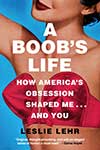
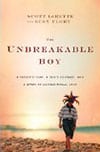
Notable authors include Nelson Johnson, author of Boardwalk Empire, which Martin Scorsese produced for HBO; Leslie Lehr, author of A Boob’s Life, which is currently being adapted for an HBO Max TV series by Salma Hayek; and Scott LeRette, author of The Unbreakable Boy, which was published by Thomas Nelson and is now a major motion picture by Lionsgate starring Patricia Heaton, Zachary Levi, and Amy Acker.
The founder of The Bestselling Author, Mark Malatesta, is a former literary agent, literary agency owner, AAR member, and Marketing & Licensing Manager for the gift and book publisher Blue Mountain Arts. He is now an author coach and consultant. Click here to see Mark Malatesta reviews.
About the Author
 The founder of The Bestselling Author, Mark Malatesta, is a former literary agent, literary agency owner, AAR member, and Marketing & Licensing Manager for the gift and book publisher Blue Mountain Arts. Mark is now a highly regarded author coach and consultant, dedicated to helping writers obtain literary agents. Drawing on decades of industry experience, he works with writers across genres, offering personalized coaching to navigate the complexities of the publishing world.
Through The Bestselling Author, Mark provides practical tools, industry insights, and motivational support tailored to each writer’s needs to help them do so. In addition to coaching, Mark shares his expertise through speaking engagements and online resources. His dedication to empowering authors has made him a trusted mentor in the writing community, earning him a reputation as a knowledgeable and approachable guide for writers pursuing their dreams. Click here for Mark Malatesta reviews.





 MARK MALATESTA is a former literary agent turned author coach. Mark now helps authors of all genres (fiction, nonfiction, and children's books) get top literary agents, publishers, and book deals through his company