

Does a writer’s race or ethnicity affect literary agents and publishers? Yes, sometimes. Literary agents are usually looking—first and foremost—for a compelling concept, a clear audience, strong writing, and a book they believe they can sell. But a writer’s background can affect how a book is read and positioned, as well as which agents feel connected to it, and how the current political climate affects its perceived opportunity or risk.

After approximately thirty years in publishing, including time as a literary agent and publishing executive, I’ve worked with authors from many different backgrounds, beliefs, countries, cultures, and political perspectives. That experience has taught me that identity can open doors, create assumptions, strengthen a pitch, narrow a pitch, make a book feel timely, or make a book feel risky.
The goal of this article is to help authors understand how race, ethnicity, background, politics, and publishing trends can affect literary agent interest—so they can make smarter decisions about their books, query letters, proposals, and agent research.
Related articles you may also find helpful:
- Author Bio Mistakes—What to Say, and When
- Literary Agents and Politics
- Gender Bias and Literary Agents
- Age Bias and Literary Agents
Quick Summary
A writer’s race, ethnicity, nationality, religion, cultural background, or political point of view can impact literary agent and publisher interest.
Agents and editors are usually looking first for strong writing, a compelling concept, a clear audience, and a book they believe they can sell. But publishing is a human business, shaped by taste, timing, culture, politics, relationships, and assumptions about marketability.
That means an author’s background can influence how a book is read, positioned, understood, and sold. It can create opportunity, not just assumptions. The best approach is to understand how identity interacts with craft, category, audience, timing, and the current publishing climate.
Key Takeaways
- A writer’s background can affect literary agent interest, but it’s rarely the only factor.
- Agents and editors respond to writing, concept, audience, timing, and perceived sales potential.
- Author identity can strengthen a pitch when it adds authority, authenticity, or market relevance.
- Identity can also lead to narrow assumptions about what an author “should” write.
- Political climate can make some books feel more timely, risky, urgent, or difficult to sell.
- Good comps should show category, tone, audience, and marketability—not just identity.
- The strongest pitches lead with the book, then include background when it strengthens the case.
Table of Contents
- Why Authors Ask This Question
- Publishing Has Historically Had a Gatekeeper Problem
- Does the Ethnicity of Literary Agents Affect What They Choose?
- Does the Ethnicity of the Author Affect Marketability?
- The Problem with the Word “Universal”
- How Comp Titles Can Reinforce Old Patterns
- How Political Climate Affects Literary Agents and Publishers
- Why Politics Affects Some Book Categories More Than Others
- International Authors Face Additional Layers
- What Authors Should Say in Query Letters
- What Authors Should Not Do
- Final Thoughts
- Next Steps

1. Why Authors Ask This Question
Authors have asked me some version of this question for years:
Does my race, ethnicity, nationality, religion, cultural background, or political point of view affect whether literary agents and publishers will be interested in my book?
Some authors ask because they’re from an underrepresented background and they wonder if that will help them, hurt them, or make agents view their work differently. Some ask because they are writing about characters or communities different from their own. Some worry their book is “too specific” culturally. And some worry their book is “not diverse enough.”
Other authors worry that literary agents are only looking for certain kinds of authors. Some worry their religious, political, or cultural point of view will make their book harder to sell. And some simply want to understand whether publishing is truly open to all writers—or whether some writers have more access than others.
The honest answer is yes, a writer’s background can affect the process. But, as you might imagine, it would be too simplistic to say literary agents and publishers make decisions only—or even significantly—based on identity. Most agents are looking first for a book they love and believe they can sell.
Publishing is a human industry though, one driven by taste, relationships, assumptions, timing, culture, politics, and market expectations.
So, agents and editors are always asking:
- Is this book good?
- Is it fresh?
- Is it familiar enough to sell?
- Is it different enough to stand out?
- Who is the audience?
- Who is the author?
- Why is this author the right person to write this book?
- Why this book now?
Those questions often intersect with race, ethnicity, nationality, religion, gender, politics, class, geography, and experience.
Publishing decisions aren’t made in a vacuum. Agents and editors are reading books, but they’re also reading the marketplace around those books.
During my approximately thirty years as a literary agent and publishing executive, I’ve worked with authors from many different backgrounds, belief systems, countries, cultures, and political perspectives—not just in the United States, but in many other parts of the world.
That experience has shown me:
- Identity can open doors.
- Identity can also create assumptions.
- A cultural moment can make a book feel urgent.
- A political backlash can make that same kind of book feel risky.
- A writer’s background can strengthen a pitch.
- It can also cause a book to be put into a box that’s too small.
That’s why your author bio can be important. The issue isn’t simply whether to reveal your background, politics, age, gender, religion, nationality, or experience. The issue is knowing what to say, when to say it, and how to connect it to the book. For more on that, see Author Bio Mistakes—What to Say, and When, to Literary Agents, Publishers, and Readers.
That article also connects with other common author concerns I’ve written about, including Literary Agents and Politics, Gender Bias and Literary Agents, and Age Bias and Literary Agents.
The goal of this particular article is to help authors understand how the system actually works, so they can make smarter decisions about their writing, query letters, book proposals, agent research, and positioning.
2. Publishing Has Historically Had a Gatekeeper Problem
Traditional publishing has historically been staffed by people who, as a group, have been less diverse than the reading public in terms of race, ethnicity, class, geography, and lived experience. That doesn’t mean everyone in publishing thinks alike. They don’t, of course. Agents, editors, publicists, marketers, booksellers, and reviewers disagree a lot.
But the people deciding which books get represented, acquired, edited, marketed, reviewed, stocked, promoted, and awarded have often come from a narrower range of backgrounds than the reading public—so the subjective tastes of those people inevitably have an impact.
Literary agents and editors aren’t simply processing manuscripts through a completely clean or neutral system. They’re reacting and responding to voice, emotional truth, humor, pacing, subject matter, cultural references, character, conflict, authority, and perceived commercial potential.
Those responses are influenced by what a person has read, lived, valued, understood, misunderstood, feared, loved, and been trained to recognize as “literary,” “commercial,” “universal,” “important,” “accessible,” “fresh,” or “niche.”
That’s why diversity in publishing staff is important.
According to coverage of Lee & Low’s 2023 Diversity Baseline Survey, U.S. publishing, review journal, and literary agency staffers remained predominantly white, even after some recent changes in representation. PEN America’s report, Reading Between the Lines, also examined how publishing’s gatekeepers affect which authors and books receive opportunities, especially in a business where taste and marketability are often subjective.
When many gatekeepers come from similar backgrounds, certain stories will feel more familiar and predictably marketable while others are praised as “interesting” but rejected as “too specific,” “hard to place,” “quiet,” “not broad enough,” or “not quite right for the current market.”
Those phrases are accurate sometimes, but other times those phrases reveal and represent the limits of the publishing industry’s imagination and openness.
Of course, a manuscript can be rejected for craft reasons, category reasons, market reasons, or timing reasons. But manuscripts can also be rejected because the person reading them doesn’t fully recognize the audience, emotional stakes, humor, cultural world, or commercial possibility related to that world.
That doesn’t mean every rejection is unfair, but it acknowledges that what’s considered “marketable” and what’s not isn’t always as objective as we’d like or like to think.
3. Does the Ethnicity of Literary Agents Affect What They Choose?
Many agents represent authors whose lives, identities, cultures, religions, and politics are very different from their own. Good agents are curious. They read widely. And they can fall in love with books that take them into unfamiliar worlds.
That’s the good news.
The bad news is that agents also have individual interests, experiences, values, communities, blind spots, and market knowledge.
An agent with a particular cultural background, language, religion, region, or lived experience may recognize the power of a manuscript that another agent doesn’t fully understand. That agent might also know how to position it more effectively.
For example, a manuscript involving immigration, mixed identity, anti-Blackness, caste, Indigenous land, Middle Eastern politics, Christian evangelical culture, Orthodox Jewish family life, rural poverty, Chinese-American family dynamics, Muslim identity, or Afro-Caribbean history might be read differently by agents with different backgrounds and levels of familiarity.
That doesn’t mean only agents from those backgrounds can represent those books. But cultural knowledge can affect agent both agent interest and ability.
One agent might read a book and say, “I don’t understand why this character is making that choice.”
Another agent might read the same book and say, “I know exactly why this character is making that choice, and readers from this community will too.”
By the way, just because an agent comes from a more traditionally represented background doesn’t mean they only want books that reflect their own background or worldview. And just because an agent comes from an underrepresented background doesn’t mean they only want “identity” books.
Agents are individuals and their backgrounds will—to some extent—influence their taste, interests, and cultural fluency, but they don’t define the full range of books they can love, represent, or sell.
So, be open when querying.
Pitching widely is a good idea. One of the agents you believe is a long shot might be the only one interested in your book—the one you need to make it.
4. Does the Ethnicity of the Author Affect Marketability?
For certain books, the author’s identity is central to the project’s credibility and marketability.
A memoir about surviving racism, a novel deeply rooted in Korean family history, a book about the Black church, a story about caste, a Muslim coming-of-age novel, or a book about Latin American migration might be strengthened by the author’s lived experience or long-term expertise.
In those cases, agents and publishers might ask:
Why is this author the right person to write this book?
That question can help authors.
It can also hurt them, depending on how it’s used.
The helpful version recognizes authority, authenticity, access, nuance, and emotional truth.
The harmful version assumes authors should only write about identity, trauma, oppression, immigration, racism, colonialism, or cultural conflict.
Many authors of color have felt pressured—directly or indirectly—to write the kind of book the industry already knows how to categorize.
If an author of color writes about race, ethnicity, family history, immigration, or trauma, the work might be seen as timely, important, and marketable. But it might also be boxed into narrow expectations, as if books by authors of color should explain culture, emphasize hardship, or fit a familiar social-issue frame.
If the same author writes a romance, thriller, fantasy, cozy mystery, business book, self-help book, or literary novel that doesn’t put identity front and center, the industry might not always know what to do with it.
The author might be told the book isn’t “specific” enough, not “urgent” enough, or not clearly connected to the author’s background.
White authors face a different set of questions.
Some worry—I hear this a lot from authors I coach and consult—that agents are only looking for diverse authors, or that their work will be dismissed because they’re white.
That’s not accurate.
White authors still make up a large share of published authors.
The more useful question for those authors isn’t:
Am I at a disadvantage because of this?
The better question is:
Is my book fresh, necessary, well-positioned, and aware of the world it’s meant to be part of?
That question helps every writer.
5. The Problem with the Word “Universal”
Agents and editors often want stories that feel “universal.” But historically, that term has sometimes meant familiar to the dominant culture.
For example, a story about a white suburban family might be perceived as universal.
A story about a Nigerian immigrant family, a Mexican American family, an Indian American family, a Korean adoptee, an Indigenous community, or a Muslim family might be perceived as “specific,” “cultural,” “issue-driven,” or “niche,” even when it is exploring the same universal themes.
For example:
- Love.
- Ambition.
- Grief.
- Betrayal.
- Faith.
- Family.
- Identity.
- Loss.
- Forgiveness.
- Power.
- Freedom.
- Belonging.
Of course, a book can be culturally specific and universal at the same time. In fact, many of the best books are universal because they’re specific. The more particular the emotional truth, the more powerful the reading experience can be.
Agents and publishers are becoming more aware of this, but the old instincts and behavior haven’t disappeared completely. Authors should understand that part of their job is to help agents and editors see both things at once: the specific world of the book and the broad emotional or commercial appeal.
Specific doesn’t mean small. Some of the most widely loved, memorable books are powerful because they’re deeply specific.
6. How Comparble Titles Can Reinforce Old Patterns
Comparative titles—also called comps—are a big part of book positioning. Agents use comps to help editors understand where a book fits. Editors use them to make acquisition arguments. Sales teams use them to talk to accounts. Marketing teams use them to identify readers.
So, comps are important.
But they can reinforce old patterns.
If the books most often used as comps are overwhelmingly by white authors, then authors of color may have fewer obvious pathways to prove that their books are marketable. Their work may be compared either to the same small group of bestselling authors from their background or to white-authored books that only partially fit.
That can make a book harder to pitch.
For example, not every Black literary novel should be compared to the work of Toni Morrison, James Baldwin, Jesmyn Ward, Colson Whitehead, or Brit Bennett.
Not every Asian American novel should be compared to Amy Tan, Celeste Ng, or Min Jin Lee.
Not every Latino book should be compared to Sandra Cisneros, Isabel Allende, or Elizabeth Acevedo.
Those authors might be great comps in some cases. But lazy comps can make an author’s book seem less original, less commercial, or more narrowly ethnic than it really is. The right comps should show more than identity; they should show category, tone, audience, pacing, structure, emotional promise, and market position.
A better comp strategy might be:
This book will appeal to readers of X because of its page-turning family secrets, Y because of its intimate mother-daughter tension, and Z because of its setting and cultural specificity.
That’s stronger than simply saying (directly or indirectly):
This is a book by a Latino author, so here are three other Latino authors.
Don’t rush your comps.
7. How Political Climate Affects Literary Agents and Publishers
Publishing is always affected by politics, even when a book isn’t explicitly political. That’s because literary agents and publishers aren’t only asking whether a manuscript is good. They’re also asking whether they can sell it.
In one political climate, a book about race, gender, sexuality, immigration, religion, history, policing, education, or identity might feel urgent, overdue, and necessary. In another political climate, the same book might feel risky, polarizing, overexposed, or harder to sell into certain channels.
After 2020, many publishers became more vocal about diversity, equity, inclusion, anti-racism, and underrepresented voices. Some agents and editors became more active in seeking books by authors from marginalized communities. Some authors found new opportunities. Some books that might previously have been dismissed as “too niche” were suddenly seen as timely.
But cultural moments shift.
In recent years, the backlash against DEI, the rise in school and library book challenges, and political battles over race, gender, sexuality, history, and education have changed the environment again.
Not completely, but somewhat.
So, no matter what your book is about, a politically charged climate can help or hurt its chances of being published. A politically charged climate can create urgency, visibility, media interest, activist readers, book club conversations, and passionate support. It can also create fear, resistance, censorship pressure, school and library challenges, sales hesitation, and regional market concerns.
PEN America’s book-ban tracking shows how political climate can directly affect which books are challenged, removed, restricted, or treated as risky in school and library markets.
That’s why agents and publishers can sometimes love a book but still worry about how to sell it.
They might ask:
- Will schools buy it?
- Will libraries face challenges?
- Will conservative readers object?
- Will progressive readers think it goes far enough?
- Will the author be attacked online?
- Will reviewers understand the nuance?
- Is the category saturated?
- Is the subject too hot, or not hot enough?
- Is the book ahead of the market, behind the market, or perfectly timed?
You don’t need to obsess over all this, but you should understand it. Literary quality matters. So do timing and, sometimes, the political climate.
A manuscript that feels urgent in one cultural moment may feel risky, saturated, or polarizing in another.
8. Why Politics Affects Some Book Categories More Than Others
The political climate doesn’t affect all books the same way.
For adult commercial fiction, politics might affect whether a hook feels fresh, timely, polarizing, or risky. A thriller about domestic extremism, a romance involving cultural or religious differences, or a mystery involving immigration or policing may be read differently depending on the current news cycle.
For literary fiction, politics might affect reviews, awards, bookstore enthusiasm, media coverage, and academic interest. A novel that deals with race, class, gender, colonialism, or national identity may be more appealing in some moments and more vulnerable to backlash in others.
For children’s and YA books, political climate can directly affect school and library adoption. Books involving race, LGBTQ+ identity, gender, sexuality, religion, colonial history, police violence, or certain kinds of trauma may face challenges, even when they are age-appropriate and well-reviewed. The Cooperative Children’s Book Center diversity statistics are especially useful for understanding long-term representation trends in children’s book publishing.
For memoir, identity can be both a strength and a challenge. A memoir by a refugee, activist, survivor, religious convert, political dissident, or person from an underrepresented community may be seen as timely and important. But it might also be judged against the current appetite for that kind of story.
For other nonfiction books, politics can be decisive. Books about American history, religion, race, education, health, gender, law, immigration, crime, science, parenting, and public policy are often evaluated not only as books, but as interventions in public debate.
None of this means authors should chase trends. That usually leads to weak or wimpy books. But authors should understand the climate into which their book is entering.
9. International Authors Have Additional Considerations
Because I’ve worked with authors not only in the United States but in other countries as well, I’ve seen another layer of complexity: international context. An author’s ethnicity, nationality, religion, and cultural background might be understood differently depending on the market.
A story that feels mainstream in one country may feel “international” or “cultural” in another. A political issue that’s central in one place might be unfamiliar to American agents or editors. A religious or cultural framework that feels ordinary to the author might require careful positioning for U.S. readers.
All that doesn’t mean international authors are at a disadvantage across the board. Many bring fresh settings, perspectives, expertise, histories, and markets. But international authors often need to be especially clear about their book’s audience, category, accessibility, and why their book matters to readers beyond its immediate cultural context.
That isn’t “dumbing down” the book.
It’s building a bridge.
The best pitches help agents understand both the world of the book and the reader’s way into that world.
10. What Authors Should Say in Query Letters
For authors, the practical question is:
What should I do with all of this?
Here are some guidelines.
First, lead with the book.
Agents aren’t looking for an abstract identity statement. They’re looking for a manuscript or proposal they can fall in love with and sell.
Second, mention identity or background when it genuinely strengthens the pitch.
Don’t force it. But don’t omit it, either, if it’s relevant to your book.
Third, be precise about category.
A culturally specific novel still needs a category: literary fiction, upmarket fiction, romance, mystery, thriller, fantasy, historical fiction, YA, middle grade, memoir, narrative nonfiction, self-help, business, spirituality, or another clear category.
Fourth, choose comps that show the full market position of the book, not just your identity.
Use comps for tone, audience, structure, category, theme, and commercial promise.
Fifth, understand the political climate but don’t let it control the book.
If the subject of your book is controversial, acknowledge the audience and positioning clearly. If the book is timely, say why. If the book transcends a current debate, make that clear too.
Sixth, be careful about assumptions regarding agents.
Don’t assume all literary agents from one background want the same books. If you’re a person of color, don’t assume all white agents will misunderstand your book. And don’t assume all BIPOC agents will automatically want it.
Seventh, don’t apologize for who you are or what your book is.
The goal isn’t to make a manuscript less specific, bold, or honest. The goal is to make its value as clear as possible.
For more help with this part of the process, see how to write a query letter.
11. What Authors Shouldn’t Do
Don’t reduce your book to identity. A writer’s identity may strengthen a pitch, but it rarely replaces concept, craft, structure, voice, category, platform, or market positioning.
An author shouldn’t say:
Represent me because I’m from this background.
A better approach would be:
Here’s a compelling book, for a clear audience, written with authority, freshness, emotional power, and market awareness. My background is one reason I’m especially well positioned to write it.
That distinction can be important.
For example:
For fiction, the manuscript still has to work as fiction. The characters have to come to life. The plot has to move. The emotion needs to be there. A strong or distinct voice can help as well.
For nonfiction, the argument still has to be strong. The author’s credentials, platform, experience, research, or authority still need to support the promise of the book.
For memoir, lived experience alone isn’t enough. The book needs narrative momentum and—more often than not—reflection, transformation, and meaning. Identity can be powerful, but it’s most powerful when joined with excellent execution.
Authors should also make sure they mention everything about themselves that might help. If your lived experience, cultural background, professional expertise, nationality, ethnicity, religion, or community connection gives you special authority to write the book, it should be in your query letter, proposal, bio, and/or pitch.
I don’t mean oversharing, but giving agents relevant context.
For example:
- If you’re writing a memoir about growing up in a particular religious community, your relationship to that community might be important.
- If you’re writing nonfiction about race, immigration, education, politics, medicine, trauma, or social change, your personal and professional authority might be important.
- If you’re writing a novel rooted in a specific culture, geography, language, or history, your connection to that world might be important.
- If you’re writing outside your own background, your research, sensitivity, purpose, and execution might be even more important.
The goal isn’t to use identity as a substitute for a strong book. The goal is to help agents understand why your book has authority, authenticity, and market relevance.
12. Final Thoughts
A writer’s race, ethnicity, nationality, religion, background, or political perspective can affect literary agents and publishers—but not always in a simple or stereotypical way. It can affect how a manuscript is read, how an author is perceived, how a book is positioned, which agents feel connected to it, which editors know how to pitch it, which sales teams know how to sell it, which reviewers understand it, which readers find it, and which political or cultural currents surround it.
It can create opportunity—or assumptions. It can make a book feel timely or risky. It can help a pitch feel (and be) authentic. So the best thing authors can do is neither ignore identity nor lean on it too much. Instead, authors should understand how identity can/should interact with craft, concept, category, timing, marketability, platform, politics, and the people making decisions.
Authors who give themselves the best chance are those who get educated about the nuances that allow them to understand and navigate the industry in the best way—with clarity, so they can present themselves and their books in the best way. Not according to the politics of the moment, but writing the best book, understanding the moment clearly, and positioning their work so the right people can recognize its value and feel they might be able to sell it.
Next Steps
For writers trying to get a literary agent, identity is just one part of the larger pitching picture. The key is knowing how to present all the parts of your background that are relevant to your book and might give it a better chance of being published.
Other topics to consider when pitching:
- Your concept.
- Your writing.
- Your category.
- Your audience.
- Your author bio.
- Your comps.
- Your platform, if needed.
- Your timing.
- Your query letter or book proposal.
- Your agent list.
Your focus when pitching should be to help literary agents see not only what your book is about, but why it matters, how it’s unique, why you’re the right person to write it, and why readers should care.
If you want to get a literary agent, start by learning how to get a literary agent, and look at examples of authors who got literary agents to see how writers from different backgrounds, genres, and experience levels have secured representation.
If you want help figuring out how to position your book, write a stronger query letter, prepare a better book proposal, or identify the best literary agents for your work, see below how to get personal guidance from yours truly.
Get 1-on-1 Support for Pitching Literary Agents
If you want help understanding how literary agents might see your book, query letter, synopsis, proposal, or platform, schedule a 1-on-1 introductory coaching / consulting call. As a former literary agent who has helped 450+ writers get literary agents and/or traditional publishers, I can help you identify the best agents for your book, improve your query materials, and create the best submission strategy: explore 1-on-1 author coaching and consulting.
FAQ: Race, Ethnicity, and Literary Agents
Do literary agents care about a writer’s race or ethnicity?
Sometimes, but usually not in a simple yes-or-no way. Literary agents are generally looking for strong writing, a compelling concept, and a book they believe they can sell. However, a writer’s race, ethnicity, nationality, religion, or background can affect how the book is read, positioned, and understood.
Can being from an underrepresented background help an author get a literary agent?
It can help if the author’s background strengthens the authority, authenticity, or marketability of the book. But identity alone is not enough. Agents still need to believe in the writing, concept, audience, category, and sales potential.
Can being from an underrepresented background hurt an author?
It can, especially if the industry misunderstands the book, assumes the audience is too narrow, or tries to place the author into a limited identity-based category. Some authors from underrepresented backgrounds also face pressure to write only certain kinds of stories.
Are white authors at a disadvantage in publishing now?
White authors are not broadly excluded from traditional publishing. They still make up a large share of published authors and bestselling authors. However, all authors, including white authors, need to be thoughtful about market positioning, cultural awareness, and why their book is fresh and necessary.
Should authors mention race, ethnicity, religion, or background in a query letter?
Authors should mention those things when they genuinely strengthen the pitch. If the author’s background gives them special authority, access, expertise, or emotional connection to the material, it may be worth including. If it is not relevant to the book, it may not be necessary.
Do agents from certain backgrounds only want books from authors with similar backgrounds?
No. Agents are individuals. A Black agent might want thrillers. A Latina agent might want fantasy. An Asian American agent might want memoir. A white agent might be excellent with culturally specific fiction. Authors should research each agent’s actual list and stated interests instead of making assumptions.
How does political climate affect what agents and publishers want?
Political climate can affect whether a book feels timely, urgent, risky, controversial, saturated, or hard to sell. This is especially true for books about race, gender, sexuality, religion, immigration, education, history, politics, and social issues.
Should authors write to fit the current political climate?
No. Authors should not chase trends or write only according to the politics of the moment. But they should understand the cultural and political climate into which they are submitting their work, because it can affect how agents and publishers evaluate marketability.
Do international authors face different challenges?
Yes. International authors may need to provide extra context for U.S. literary agents and publishers. A topic, setting, religion, political issue, or cultural experience that is familiar in one country may need clearer positioning for readers in another market.
What is the best way to position a culturally specific book?
Lead with the story, category, audience, and emotional or commercial appeal. Then explain the cultural specificity in a way that helps agents see both the unique world of the book and its broader reader appeal.
About
This article about “Race, Ethnicity, and Literary Agents” was written by a former literary agent turned author coach. Mark Malatesta is the creator of The Directory of Book Agents, host of Ask a Publishing Agent, and founder of Literary Agent Undercover and The Bestselling Author.
Mark has helped hundreds of authors get offers from literary agents and/or traditional publishers. Writers of all Book Genres have used our Book Agent Advice coaching/consulting to get Top Literary Agents at the Best Literary Agencies on our List of Literary Agents.
The Bestselling Author, LLC
 Established in 2011, The Bestselling Author has helped 400+ authors get literary agents and/or traditional publishers. Writers who’ve worked with Literary Agent Undercover, a division of The Bestselling Author, have gotten six-figure book deals; been on the New York Times bestseller list; had their books adapted for TV, stage, and feature film; had their work licensed in 40+ countries; and sold many millions of books.
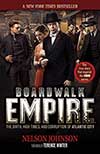
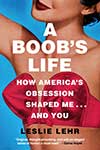
Notable authors include Nelson Johnson, author of Boardwalk Empire, which Martin Scorsese produced for HBO; Leslie Lehr, author of A Boob’s Life, which is currently being adapted for an HBO Max TV series by Salma Hayek; and Scott LeRette, author of The Unbreakable Boy, which was published by Thomas Nelson and is now a major motion picture by Lionsgate starring Patricia Heaton, Zachary Levi, and Amy Acker.
The founder of The Bestselling Author, Mark Malatesta, is a former literary agent, literary agency owner, AAR member, and Marketing & Licensing Manager for the gift and book publisher Blue Mountain Arts. He is now an author coach and consultant. Click here to see Mark Malatesta reviews.
About the Author
 The founder of The Bestselling Author, Mark Malatesta, is a former literary agent, literary agency owner, AAR member, and Marketing & Licensing Manager for the gift and book publisher Blue Mountain Arts. Mark is now a highly regarded author coach and consultant, dedicated to helping writers obtain literary agents. Drawing on decades of industry experience, he works with writers across genres, offering personalized coaching to navigate the complexities of the publishing world.
Through The Bestselling Author, Mark provides practical tools, industry insights, and motivational support tailored to each writer’s needs to help them do so. In addition to coaching, Mark shares his expertise through speaking engagements and online resources. His dedication to empowering authors has made him a trusted mentor in the writing community, earning him a reputation as a knowledgeable and approachable guide for writers pursuing their dreams. Click here for Mark Malatesta reviews.







 MARK MALATESTA is a former literary agent turned author coach. Mark now helps authors of all genres (fiction, nonfiction, and children's books) get top literary agents, publishers, and book deals through his company