

Subsidiary rights in publishing are a valuable opportunity for authors of all types of books: fiction, nonfiction, and children’s books. There are many ways to package, distribute, license, adapt, and share the content in your book—including unexpected ones—that can help you reach more readers and make more money when you get a book deal. If you’re trying to get a literary agent and publish traditionally, this is one of the most important parts of publishing to understand before you sign a contract.

Most authors think of a book deal as one thing: a publisher buys the right to publish their book. That’s true, but it’s only part of the story.
Your book is not just one product. It is intellectual property with multiple possible lives.
When you get a traditional publishing deal, your book isn’t just a manuscript. It’s a bundle of rights. Those rights can include hardcover, paperback, ebook, audiobook, translation, foreign publication, large print, book club editions, film and television, stage, merchandise, excerpts, educational use, corporate use, calendars, gift books, workbooks, card decks, and more.
That’s why subsidiary rights in publishing matter. Subsidiary rights can help a book travel farther, last longer, and earn more.
In some cases, authors earn more from subsidiary rights than they do from the original book advance or the book’s primary sales. That doesn’t happen for every author, but it happens often enough that every serious author should understand what subsidiary rights are, why they matter, and how to think about them strategically.
As a former literary agent, I’ve worked with authors and publishers on book deals where subsidiary rights were part of the negotiation. Before that, I was the Marketing & Licensing Manager for Blue Mountain Arts, a publisher known for greeting cards, gift books, calendars, and related inspirational products. That experience has given me a broader view of what written content can become.
Quick Summary
Subsidiary rights in publishing are the rights that let your book become more than one book: an audiobook, translation, foreign edition, film or TV project, workbook, journal, card deck, classroom resource, corporate training tool, gift product, or other licensed format. These rights can help authors reach more readers and, in some cases, earn more money than they make from primary book sales. The key is knowing which rights to grant, which to keep, and who is best positioned to sell or license them.
Key Takeaways About Subsidiary Rights in Publishing
- Subsidiary rights are the rights to sell, license, adapt, translate, excerpt, or repackage your book beyond the primary edition.
- Common subsidiary rights include foreign, translation, audio, book club, large print, first serial, second serial, permissions, film/TV, stage, and merchandise rights.
- Unexpected subsidiary rights can include workbooks, journals, card decks, calendars, greeting cards, curricula, corporate training, games, apps, special-market editions, and gift products.
- Authors should not focus only on the advance when reviewing a publishing deal. They should also understand which rights are being granted, who will handle those rights, how income will be split, and what happens if those rights are never used.
- The best subsidiary rights strategy depends on the book. A literary novel, celebrity memoir, business book, cookbook, picture book, fantasy series, devotional, true-crime book, and middle grade adventure novel all have different rights possibilities.
- Authors should ask their literary agent smart questions about subsidiary rights before signing an agency agreement and before accepting a publishing offer.
Table of Contents
- What Are Subsidiary Rights in Publishing?
- Why Subsidiary Rights Matter to Authors
- Your Book Is Intellectual Property
- Common Types of Subsidiary Rights
- Typical Subsidiary Rights Percentages
- Who Handles Subsidiary Rights?
- Who Should Control Each Right?
- Three Hypothetical Subsidiary Rights Examples
- Unexpected Subsidiary Rights Authors Often Overlook
- Rights Authors Should Be Especially Careful About
- What Authors Should Ask Before Granting Subsidiary Rights
- When Subsidiary Rights Are Usually Sold
- How Literary Agents Think About Subsidiary Rights
- How to Make Your Book More Subsidiary-Rights Friendly
- Subsidiary Rights and Book Proposals
- Subsidiary Rights and Query Letters
- Subsidiary Rights and Literary Agent Questions
- Subsidiary Rights and Publishing Contracts
- Can Authors Make More from Subsidiary Rights Than Book Sales?
- The Author’s Role in Subsidiary Rights
- Subsidiary Rights Readiness Checklist
- Frequently Asked Questions
- Final Thoughts

What Are Subsidiary Rights in Publishing?
Subsidiary rights are secondary rights connected to your book. They’re rights that allow your book, or parts of your book, to be used in additional formats, territories, languages, products, media, or markets.
For example, if a U.S. publisher buys the right to publish your novel in hardcover, paperback, and ebook in North America, that is the core publishing deal. But what about publication in the United Kingdom? What about a German translation? What about the audiobook? What about a large-print edition? What about a film option? What about an excerpt in a magazine? What about a book club edition? What about a stage adaptation?
Those are subsidiary rights.
I know the word “subsidiary” sounds dry, legal, and technical—but it starts to sound more exciting when you realize that subsidiary rights are how your book can have more lives.
The Authors Guild’s model trade contract materials explain subsidiary rights as rights authors grant publishers to license to third parties, including print-related rights such as first serial, second serial, book club, permissions, paperback, British Commonwealth, and translation rights, as well as non-print rights such as ebook, enhanced ebook, and audio rights.
Hachette Book Group’s author resources describe subsidiary rights as additional formats in which a work can be shared with readers or listeners, including serial excerpts, audio editions, international translations, book clubs, large print editions, and more.
Some subsidiary rights are sold before publication. Some are sold after publication. Some are never sold. Some are worth very little. Some are worth a lot. Some generate one-time income. Others can generate ongoing revenue. Some help sell more books. Others create new readers who might never have discovered the book in its original format.
That’s why this topic deserves more attention than it usually gets.
Why Subsidiary Rights Matter to Authors
Subsidiary rights matter because they can affect your income, visibility, readership, career momentum, and long-term control of your work.
A strong subsidiary rights strategy can help you earn additional income beyond your advance and royalties. It can help you reach readers in other countries and languages. It can help you reach readers who prefer audio, large print, book clubs, schools, libraries, or special editions. It can increase your chances of film, television, stage, podcast, or streaming interest. It can create additional products related to your book. It can help you build your author platform. It can extend the commercial life of your book. It can make your book more attractive to publishers. And it can make your next book easier to sell.
Subsidiary rights can also change the way you think about your book before you even begin literary agent submissions.
For example, if you’re writing nonfiction, you might realize your framework could become a workbook, keynote presentation, corporate training program, or card deck. If you’re writing a children’s book, you might realize your character needs to be visually distinctive and emotionally memorable enough to live beyond one story. If you’re writing fiction, you might realize that your setting, premise, voice, or series concept could make the book more attractive for audio, translation, book clubs, or adaptation.
That doesn’t mean you should distort your book(s) to chase licensing possibilities. Your book must come first—at least it should—but you should also remember the larger value of what you’re creating.
A strong book deal isn’t only about how much money you receive upfront. It’s also about which rights you grant, which rights you keep, and who is most likely to use those rights well.
The Big Idea: Your Book Is Intellectual Property
Authors often hear the phrase “intellectual property,” but they don’t always apply it to themselves.
Your book is intellectual property. Your characters, world, framework, title, concept, stories, exercises, poems, prayers, recipes, illustrations, slogans, and memorable phrases might also have value—depending on what they are and how they are protected, presented, and used.
Of course, not every book can become a movie, product line, or international franchise. Most books won’t. But many books have more subsidiary rights potential than authors realize.
- A memoir might have film or documentary potential.
- A romance series might have audio and translation potential.
- A business book might have corporate licensing potential.
- A cookbook might have calendar, video, product, or special-market potential.
- A devotional might have gift-book, journal, greeting card, calendar, or church-curriculum potential.
- A picture book might have plush, board book, animation, or educational potential.
- A thriller might have film/TV, foreign, audio, large print, and book club potential.
- A poetry collection might have excerpt, gift, calendar, card, or social-content licensing potential.
That’s why authors need to stop thinking of a book deal as one transaction and start thinking of it as the beginning of a rights conversation.
Common Types of Subsidiary Rights
There are many types of subsidiary rights. Some are common in traditional publishing contracts. Others are less common but still important.
Audio Rights
Audiobook rights allow your book to be produced and sold in audio format. Sometimes the print publisher acquires audio rights and produces the audiobook itself. Sometimes the publisher sublicenses those rights to an audiobook publisher. Sometimes the author or literary agent retains audio rights and sells them separately.
Audio has become increasingly important because many readers now discover and consume books by listening instead of reading in print or ebook. The Audio Publishers Association reported that U.S. audiobook sales revenue reached $2.43 billion in 2025, up 9% from the prior year, with publishers reporting more than 750,000 active audiobook titles.
For some books, especially memoir, narrative nonfiction, thrillers, romance, fantasy, self-help, and celebrity-driven titles, audio can be a major part of the publishing strategy.
Authors should ask whether the publisher wants audio rights, whether the publisher has a strong audio program, whether the author might narrate the audiobook, and how audio income will be calculated and paid.
Foreign and Translation Rights
Foreign and translation rights allow your book to be published in other countries or languages.
These rights can be handled by the publisher, the author’s literary agency, a foreign-rights co-agent, or a foreign-rights specialist. Foreign rights are often pitched at major book fairs and through long-standing relationships between agents and international publishers.
The Association of American Literary Agents International Committee monitors developments and trends in foreign rights and international markets, including best practices related to world-rights deals. Major international book fairs also show how central rights sales are to publishing: Frankfurt Book Fair focuses heavily on rights and licensing, and the Bologna Children’s Book Fair describes copyright exchange as being at the heart of its event.
Translation rights can be especially valuable for books with universal appeal, strong hooks, timely subjects, celebrity authors, literary prestige, commercial genre appeal, or subject matter that travels well across cultures.
However, not every book travels equally well. A book that depends heavily on U.S.-specific humor, politics, slang, legal issues, or cultural references might be more difficult to sell abroad than a book with a universal emotional, practical, or narrative hook.
United Kingdom, Commonwealth, and Other English-Language Territory Rights
Sometimes a U.S. publisher buys only North American rights. Sometimes it buys world English rights. Sometimes it buys world rights in all languages. Each version of the deal has different implications.
If a publisher buys world rights, it may have the ability to sell the book into other English-language territories and foreign-language markets. If the author retains those rights, the author’s agent may try to sell them separately.
Authors should pay attention to the territory being granted in the publishing contract. “World rights” can sound impressive, but the important question is whether the publisher is actually equipped to exploit those rights.
First Serial Rights
First serial rights usually refer to the right to publish an excerpt from the book before the book is published. This might happen in a magazine, newspaper, website, literary journal, or other publication.
First serial rights can help build excitement or buzz before publication. They can also generate income. This type of right is most relevant for books with excerptable material: memoir, narrative nonfiction, celebrity books, political books, literary fiction, major investigative nonfiction, and some prescriptive nonfiction.
Second Serial Rights
Second serial rights refer to publication of excerpts after the book has already been published. These might include excerpts in magazines, newspapers, websites, anthologies, newsletters, or other media.
Second serial rights can help keep a book visible after publication. They can also introduce the author to readers who missed the original launch.
Book Club Rights
Book club rights allow a book to be sold through a book club or special book club edition.
These rights have changed over time as the book club market has changed, but the idea is still important. Some books are especially well suited to book clubs: literary fiction, upmarket fiction, historical fiction, memoir, narrative nonfiction, women’s fiction, suspense with discussion value, and nonfiction that raises strong questions.
Book club rights can matter not only because of income, but because book clubs create conversation. Conversation sells books.
Large Print Rights
Large print rights allow a book to be published in a large-print edition.
Large print can be important for libraries, older readers, visually impaired readers, and certain categories of commercial fiction and nonfiction. A large-print edition can extend a book’s reach without requiring new content from the author.
School, Library, and Special-Market Editions
Some books can be licensed or packaged for specific markets. That might include schools, libraries, churches, corporations, associations, museums, hospitals, gift shops, national parks, military programs, nonprofit organizations, or specialty retailers.
Special-market opportunities are especially interesting because they can move books outside the traditional bookstore ecosystem.
For example, a grief book might sell through hospice organizations. A leadership book might sell through corporate training programs. A nature book might sell through museum stores or national park gift shops. A children’s book about anxiety might sell through schools, counseling centers, or parenting organizations. A devotional might sell through churches, retreats, or Christian conferences.
Film, Television, Stage, and Dramatic Rights
Film and television rights are among the most exciting subsidiary rights for authors, but they are also among the most misunderstood.
Many books are optioned. Few are actually produced. An option gives a producer or production company the exclusive right, for a period of time, to try to develop the project. If the project moves forward, the rights may be purchased or extended. If it doesn’t, the rights may revert.
Film/TV rights are often handled separately from the main publishing deal, sometimes by a film/TV agent or entertainment attorney. Authors should be careful about granting these rights casually, especially if the publisher does not have a strong reason to control them.
Stage rights, dramatic rights, podcast adaptation rights, and audio drama rights can also matter, depending on the book.
Merchandising and Product Rights
Merchandising rights allow characters, artwork, phrases, settings, symbols, or concepts from a book to be used on products.
This category can include toys, plush characters, puzzles, games, stationery, posters, mugs, apparel, calendars, greeting cards, journals, card decks, classroom materials, collectibles, and gift products.
Merchandising is most obvious for children’s books, fantasy series, graphic novels, humor books, illustrated books, and character-driven series. But it can also matter for some nonfiction books, especially if the book contains a memorable method, phrase, concept, visual system, set of exercises, or emotional message.
Children’s publishing is especially connected to licensing when the material is right. The Bologna Licensing Trade Fair/Kids, part of the Bologna Children’s Book Fair, is dedicated to brands for children, teens, and young adults, which shows how children’s content can sometimes move from publishing into broader licensing, media, and consumer-product opportunities.
That does not mean every children’s book has merchandise potential. Most do not. But books with memorable characters, distinctive art, emotional clarity, and series potential are more likely to attract interest beyond the original hardcover or paperback edition.
Typical Subsidiary Rights Percentages
Subsidiary rights percentages vary. There is no single standard that applies to every author, publisher, book, or right.
However, authors often see certain patterns. A publishing-contract checklist from Morse notes examples such as 90% to the author for first serial rights, 75% to 80% for UK and foreign rights, and 50% to 66% for other subsidiary rights, depending on the contract. The same checklist also flags approval rights, pass-through timing, and reversion of unexploited rights as important deal points.
The Authors Guild’s guide to agency agreements notes that domestic book and performance-rights commissions are generally 15%, while foreign-rights deals involving a sub-agent are generally 20%.
Authors should know:
- What percentage do I receive?
- Is the percentage based on gross receipts or net proceeds?
- What expenses are deducted before my share is calculated?
- Does the publisher deduct a commission or administrative fee?
- Does a sub-agent receive a commission?
- Is the income credited against my advance?
- When will I be paid?
- Will I receive statements showing the source of the income?
The phrase “net proceeds” is especially important. If your contract says you receive a percentage of net proceeds, you need to understand what gets deducted first.
Who Handles Subsidiary Rights?
Subsidiary rights may be handled by different people or companies, depending on the deal.
Your Publisher
Many publishers have subsidiary rights departments. A strong rights department may pitch books to foreign publishers, attend international book fairs, sell translation rights, license audio rights, arrange book club deals, sell permissions, and explore other opportunities.
If a publisher has a proven ability to sell the rights it wants, granting those rights may make sense. But if a publisher asks for broad rights without a strong track record, the author and agent should be cautious. A publisher should not automatically receive rights simply because those rights appear in the boilerplate contract.
Your Literary Agent
Some literary agents handle subsidiary rights directly. Others work with co-agents or specialists. For example, an agency might have a foreign-rights director, a film/TV partner, a permissions partner, or relationships with agents in other countries.
This can be one of the benefits of having the right literary agent. A good agent does not simply sell your book once and disappear. A good agent thinks about the broader life of the project.
When you are evaluating literary agents, it is fair to ask how they handle subsidiary rights. Do they sell foreign rights themselves? Do they work with co-agents? Do they have a film/TV partner? Do they have experience with audio, permissions, merchandising, or other rights relevant to your book?
This is also why authors should prepare carefully before accepting an offer of representation from a literary agent. The agent’s plan for subsidiary rights can affect the long-term value of the author-agent relationship.
Sub-Agents and Rights Specialists
Foreign rights are often handled with help from sub-agents in other countries or territories. Film and TV rights may be handled by entertainment agents or attorneys. Merchandising rights may require licensing specialists.
That is one reason commissions can vary. A domestic literary agent might receive one commission, while a foreign-rights sale involving a co-agent might involve a higher total commission because more people are involved in making the deal happen.
The Author
Sometimes authors retain certain rights and exploit them later. That might happen with dramatic rights, course rights, speaking-related rights, corporate training rights, merchandise rights, or rights the publisher does not want or cannot use.
However, you should be careful. Retaining rights is only useful if you understand them, can exploit them, or have someone qualified to help you do so. Otherwise, rights can sit unused. The goal shouldn’t always be to keep everything. The goal should be to make sure each right is controlled by whoever is most likely to use it well.
The Most Important Question: Who Is Best Positioned to Exploit the Right?
Authors sometimes assume they should keep as many rights as possible. That makes sense, but it’s not always the best answer.
The better question is: Who is most likely to turn this right into meaningful income, visibility, or readership?
If a major publisher has an excellent international rights team and a strong history of selling books like yours in foreign markets, you might benefit from letting that publisher control translation rights.
If a small publisher asks for translation, film, TV, audio, merchandising, and world rights—but has no staff, partners, or record of selling those rights—you might want your agent to push back.
If your agent has a strong film/TV co-agent, perhaps the author should retain dramatic rights.
If your nonfiction book is built around a method you plan to teach, license, consult on, or turn into a course, perhaps you should be careful about granting broad educational, commercial, training, or derivative-work rights.
There is no single answer for every author, but there is a single principle:
Don’t give away rights just because they appear in a boilerplate contract.
Three Hypothetical Examples of Subsidiary Rights
For example, let’s look at three hypothetical authors: one adult novelist, one nonfiction author, and one children’s book author.
Example 1: Subsidiary Rights for Adult Fiction
Imagine an author writes an upmarket suspense novel called The Last House on Laurel Key. It is set on a storm-battered island off the coast of South Carolina. The protagonist is a former forensic photographer who returns home after her sister disappears. The book has atmosphere, mystery, family secrets, a strong female lead, and a setting that feels cinematic.
The primary book deal might involve U.S. hardcover, ebook, and paperback rights.
But the subsidiary rights potential could include much more.
- Audio rights: The novel’s suspense, atmosphere, and first-person voice could make it compelling as an audiobook.
- Translation rights: Mystery, suspense, and crime fiction often travel well when the hook is strong and the storytelling is accessible.
- UK/Commonwealth rights: A separate English-language edition might be possible if the publisher did not acquire world English rights.
- Large-print rights: Mystery and suspense readers often include strong library and large-print audiences.
- Book club rights: The family secrets and moral questions might make it appealing to book clubs.
- Film/TV rights: The contained island setting, central mystery, and visual atmosphere could attract producers.
- Podcast/audio drama rights: The story could potentially become a limited audio series or scripted podcast.
- Merchandising or specialty items: If the book becomes a series, the fictional island, map, lighthouse, town café, or recurring symbols might support posters, maps, limited editions, or reader merchandise.
Now imagine the book does moderately well in the U.S. It does not become a runaway bestseller. But it sells to publishers in Germany, Italy, and Brazil. Then the audiobook performs better than expected. Then a producer options it for television. Then a large-print edition sells well to libraries.
None of those things replaces the importance of U.S. book sales. But together, they can extend the life, reach, and income of the book dramatically.
That is the power of subsidiary rights.
Example 2: Subsidiary Rights for Nonfiction
Now imagine an author writes a prescriptive nonfiction book called The 10-Minute Reset. The book teaches overwhelmed professionals a simple daily method to reduce stress, make better decisions, and restore focus. The author is a psychologist, executive coach, or leadership consultant with speaking experience and a modest but real platform.
The primary book might be sold as a trade nonfiction title.
But the subsidiary rights possibilities could include much more.
- Audio rights: The author’s voice and teaching style could work well in audio, especially if the book includes guided exercises.
- Translation rights: Stress, leadership, productivity, and mental clarity are global concerns.
- Workbook rights: The method could be expanded into exercises, reflection prompts, habit trackers, and implementation plans.
- Journal rights: A companion journal could help readers practice the method daily.
- Card deck rights: The book’s principles could become daily prompt cards, leadership cards, mindfulness cards, or meeting-starter cards.
- Corporate training rights: Companies might license the content for employee wellness, leadership development, or burnout prevention programs.
- Course rights: The author might create an online course, certification program, or workshop series.
- Association and conference sales: Professional organizations might buy special editions or bulk copies.
- Magazine and newsletter excerpts: Short sections could be adapted for business, psychology, wellness, or leadership publications.
- Podcast rights: The framework could become a limited podcast series or recurring audio feature.
This is where nonfiction authors must be especially careful.
If the author plans to build a business around the method, the contract should not accidentally give the publisher control over the author’s entire framework, speaking content, consulting materials, course, certification program, or training model.
A publisher should have the rights it needs to publish and sell the book effectively. But the author should think carefully before granting broad rights that could limit future speaking, teaching, consulting, or licensing opportunities.
For nonfiction authors, subsidiary rights are not only about extra editions. They can be about the author’s entire business ecosystem.
This is one reason an author’s author platform can matter. Platform is not just social media reach. It is also credibility, visibility, professional relationships, and the ability to reach likely readers or buyers.
Example 3: Subsidiary Rights for Children’s Books
Now imagine an author-illustrator creates a picture book called Benny and the Big Umbrella. Benny is a small bear who carries a giant yellow umbrella because he is afraid something bad might fall from the sky. The book is funny, tender, visually distinctive, and emotionally clear. It helps children talk about worry, courage, and friendship.
The primary book deal might involve hardcover picture book rights.
But the subsidiary rights possibilities could include much more.
- Board book rights: A simplified version could be created for younger children.
- Paperback rights: A lower-priced edition could reach schools, libraries, and families.
- Translation and co-edition rights: Picture books often have international potential when the concept is universal and the art is strong.
- Audio rights: A read-aloud edition could work for families, classrooms, libraries, and digital platforms.
- Animated rights: Benny’s visual identity and emotional arc could work in animation.
- Stage or read-aloud performance rights: Schools, libraries, bookstores, or children’s theaters might adapt the story for events.
- Plush and toy rights: Benny and his oversized umbrella could become physical products if the book becomes popular enough.
- Activity book rights: The worry/courage theme could support coloring pages, activities, prompts, and classroom exercises.
- Curriculum or classroom guide rights: Teachers and counselors could use the story to talk about anxiety, bravery, and helping friends.
- Game or app rights: The umbrella concept could become an interactive story, simple game, or emotional-learning activity.
- Merchandising rights: Posters, stickers, bookmarks, pajamas, backpacks, or classroom materials could be possible if the character catches on.
Most picture books do not become major licensing properties. But some do, and the books with the best licensing potential usually have at least some of these qualities: a memorable main character, a distinctive visual identity, a simple emotional hook, a world that can expand, a theme parents, teachers, or children care about, a title, phrase, object, or image that is easy to remember, and series potential.
Children’s authors and illustrators should pay particular attention to character rights, merchandising rights, animation rights, educational rights, and approval rights. If a character becomes valuable, those rights can matter enormously.
Unexpected Subsidiary Rights Authors Often Overlook
Most authors have heard of foreign rights, audio rights, and film rights.
Fewer authors think about the following possibilities.
Calendars
A book with inspirational quotes, daily practices, historical facts, recipes, writing prompts, spiritual reflections, parenting tips, humor, trivia, or beautiful illustrations might work as a calendar.
A calendar can also introduce the author to readers in a low-commitment way. Someone might not buy the full book first, but they might buy a calendar and later become interested in the author’s other work.
Greeting Cards
Most novels will not become greeting cards. But some nonfiction, poetry, humor, spiritual, inspirational, relationship, parenting, grief, friendship, and gift books contain lines or sentiments that could work beautifully on cards.
This is one of the reasons my experience at Blue Mountain Arts affected how I see books. In the gift market, a sentence, poem, sentiment, illustration, or emotional moment can have a life beyond the original format.
Gift Books
A larger nonfiction book might contain the seed of a shorter gift book. A memoir might contain powerful reflections. A spiritual book might contain prayers or meditations. A humor book might contain short pieces. An illustrated book might be repackaged as a keepsake edition.
Gift books are often purchased differently than regular books. They may be bought for birthdays, graduations, holidays, sympathy, encouragement, friendship, love, retirement, recovery, or life transitions.
Journals and Workbooks
Many nonfiction books tell readers what to do. Journals and workbooks help readers actually do it.
This can be useful for books about creativity, productivity, therapy, recovery, leadership, spirituality, relationships, parenting, health, writing, money, career development, and personal growth.
Card Decks
Card decks can work for books with prompts, questions, affirmations, exercises, archetypes, strategies, rituals, recipes, quotes, meditations, conversation starters, or decision-making tools.
A card deck is not appropriate for every book, but when the content naturally breaks into small, useful units, it can be a smart format.
Corporate Training and Organizational Licensing
Business, leadership, communication, productivity, wellness, creativity, sales, negotiation, diversity, management, and team-building books may have corporate possibilities.
A company might buy bulk copies, license a workbook, hire the author to speak, use the book in training, or request a special edition for employees or clients.
This is not usually called “subsidiary rights” in casual author conversations, but it is part of the broader rights-and-licensing mindset.
School and Curriculum Rights
Children’s books, YA novels, memoirs, historical fiction, narrative nonfiction, science books, social-issue books, and educational nonfiction may have school potential.
That potential may include teacher guides, classroom discussion questions, curriculum tie-ins, school editions, testing materials, performance rights, or educational licensing.
Museum, Nonprofit, Church, Association, and Special-Market Editions
Some books have natural homes outside bookstores.
A book about national parks might sell through park gift shops. A grief book might sell through hospices. A faith-based book might sell through churches. A military memoir might sell through veterans’ organizations. A health book might sell through hospitals, clinics, or nonprofits. A history book might sell through museums.
Special-market editions are not right for every author, but they can be powerful when there is a strong audience match.
Games, Apps, and Interactive Products
Some children’s books, fantasy series, puzzle books, educational books, lifestyle books, and nonfiction frameworks might support games or apps.
This does not mean the author should claim that every book needs an app. Most do not. But if the content is interactive by nature, the possibility is worth considering.
Quote and Excerpt Licensing
Some books contain lines people want to quote, share, teach, print, frame, assign, or include in anthologies. That can create permissions income and increased visibility.
Authors who write especially quotable nonfiction, poetry, devotionals, humor, gift books, or literary prose should be aware of this.
Rights Authors Should Be Especially Careful About
Some subsidiary rights are valuable because they can generate income. Others are valuable because they can affect control.
Here are several rights authors should review carefully.
Film, TV, and Dramatic Rights
Many authors should try to retain film, TV, stage, and dramatic rights unless the publisher has a strong reason to control them. Some publishers have real entertainment connections. Others do not.
If the publisher has no meaningful ability to exploit film/TV rights, granting those rights may simply prevent the author or agent from pursuing better opportunities elsewhere.
Merchandising Rights
Merchandising rights can be especially important for children’s books, illustrated books, series fiction, fantasy, science fiction, humor, gift books, and books with strong characters or visual identity.
Authors should understand whether the publisher is asking for rights to characters, settings, titles, logos, illustrations, or products based on the work.
Character, Series, and Setting Rights
For fiction authors, especially those writing series, character and setting rights can matter. If you create a detective, fantasy world, fictional town, magical school, or recurring cast, you should understand what rights you are granting beyond the first book.
Educational, Course, and Training Rights
For nonfiction authors, especially experts, coaches, consultants, therapists, educators, speakers, and business authors, broad educational or derivative rights can be risky.
You do not want to accidentally limit your ability to teach your own method, create workshops, offer training, develop a course, license your framework, or build your business.
AI and New Technology Rights
Authors should pay close attention to contract language involving artificial intelligence, machine learning, data training, text and data mining, synthetic narration, digital replicas, new technologies, or broad future-format language.
This area is changing quickly. The Authors Guild has published AI-related model publishing contract clauses addressing author consent, AI licensing as subsidiary rights, audiobook and translation protections, and publisher use of AI in connection with an author’s work.
Authors should not assume that broad “future technologies” language is harmless. Nor should they assume that AI training is just another normal book format.
If you see language related to AI, machine learning, synthetic voice, data licensing, or technologies now known or later developed, ask questions before signing.
What Should Authors Ask Before Granting Subsidiary Rights?
Before granting subsidiary rights to a publisher, authors and agents should ask several important questions.
- Which rights is the publisher asking for?
- Which rights does the publisher actually need to publish the book?
- Which rights does the publisher have a proven ability to sell?
- Which rights would the author or agent be better positioned to exploit?
- What percentage of subrights income will the author receive?
- Is the author’s share based on gross receipts or net proceeds?
- What deductions are taken before the author is paid?
- Will subrights income be credited against the author’s advance?
- How quickly will the author be paid after the publisher receives subrights income?
- Does the author have approval over major licenses?
- Does the author have consultation or approval rights over abridgments, narrators, adaptations, or merchandise?
- What happens if the publisher does not exploit certain rights?
- Can unused rights revert to the author after a reasonable period?
- Are all rights not specifically granted reserved to the author?
That last point is important. A good contract should make clear that any rights not specifically granted to the publisher remain with the author.
When Are Subsidiary Rights Usually Sold?
Subsidiary rights can be sold at different times.
Some rights are negotiated as part of the original publishing deal. For example, a publisher might acquire North American print, ebook, and audio rights from the beginning.
Other rights may be sold before publication. A highly anticipated book might sell foreign rights, audio rights, or serial rights before the first edition is released.
Some rights are sold after publication, once there are reviews, sales figures, awards, media attention, bestseller status, or other proof of demand.
Some rights are sold years later. A backlist book might be revived by a new trend, film interest, a social media moment, a new edition, an anniversary, a school adoption, or rights reversion.
This is another reason authors should not think only about launch week. The life of a book can be longer than the first sales window, especially if the author, agent, or publisher continues looking for opportunities.
How Literary Agents Think About Subsidiary Rights
When literary agents evaluate a project, they are usually focused first on whether they believe they can sell the book to a publisher. That’s always the main question. But subsidiary rights can still affect an agent’s enthusiasm.
An agent might think:
- This thriller has strong film/TV potential.
- This romance series could perform well in audio.
- This fantasy world might have international appeal.
- This memoir could generate major excerpts.
- This business book could lead to speaking and corporate sales.
- This picture book character has licensing potential.
- This middle grade series could work in translation.
- This illustrated nonfiction book could become a gift book, calendar, or card deck.
That doesn’t mean authors should overemphasize subsidiary rights in a query letter. The story, writing, concept, platform, credentials, and market still come first. But understanding subsidiary rights can help you present your book more intelligently, especially in a nonfiction book proposal.
How to Make Your Book More Subsidiary-Rights Friendly
You can’t force subsidiary rights potential into a book where it does not belong. You can make your work more rights-friendly by strengthening what is already there.
For Fiction Authors
Think about your hook, protagonist, setting, series potential, atmosphere, voice, book club appeal, cinematic scenes, translation potential, audio experience, and recurring characters.
A novel with a vivid setting, strong central conflict, memorable protagonist, and emotionally satisfying structure is usually more adaptable than a novel that is vague, static, or overly internal.
That does not mean every novel should be written like a movie pitch. It means the elements that make a novel more compelling to readers can also make it more compelling for other rights.
For Nonfiction Authors
Think about your framework, promise, exercises, examples, stories, repeatable method, professional platform, speaking topics, audience, workshops, worksheets, case studies, and possible companion products.
A nonfiction book with a clear structure is often easier to adapt into a workbook, course, journal, card deck, corporate training, or lecture series.
If your book teaches something, ask yourself what readers might need after they read it. Do they need practice? Reflection? Accountability? A shorter version? A visual tool? A classroom guide? A group-study format?
For Children’s Authors
Think about character, visual identity, emotional simplicity, read-aloud quality, series potential, parent appeal, teacher appeal, international appeal, and merchandise potential.
A children’s book with a memorable character and clear emotional hook has more rights potential than a book that feels generic. The strongest children’s books often work on several levels: the child enjoys the story, the parent appreciates the emotional value, and the teacher or librarian can see how to use it.
What Authors Should Not Do
Authors should not stuff their query letters with unrealistic subsidiary rights claims.
- Don’t say, “This book would make a great movie,” unless there is a specific, credible reason to mention adaptation potential.
- Don’t say, “This book will become a franchise,” unless you have evidence of extraordinary demand.
- Don’t say, “This character will be the next Harry Potter,” “This book will be the next Hunger Games,” or “This picture book will become a toy line.”
- Don’t create merchandise before you have a strong book.
- Don’t assume that because something can become a product, it will.
Subsidiary rights potential is strongest when it grows naturally from the book.
Subsidiary Rights and Book Proposals
For nonfiction authors, subsidiary rights can sometimes be addressed in the book proposal. The proposal doesn’t need a long section claiming the book can become everything. But it can include smart, grounded notes about additional opportunities.
For example:
- The author’s framework could support a companion workbook.
- The author regularly speaks to organizations that might buy bulk copies.
- The book’s exercises could be adapted for workshops.
- The subject has international relevance.
- The author’s platform includes teachers, therapists, executives, pastors, parents, or other groups that might use the book in special settings.
- The author has experience creating courses, curricula, or training programs.
Those points can help agents and publishers see the broader potential without making the author sound unrealistic. This is where author platform can matter as well. Platform isn’t just social media reach. It’s the author’s credibility, visibility, professional relationships, and ability to reach likely readers or buyers.
Subsidiary Rights and Query Letters
For fiction and children’s book authors, subsidiary rights usually shouldn’t dominate the query letter. The query should focus on the story, character, conflict, stakes, category, word count, and author bio.
However, a short phrase can sometimes help if it is organic.
For example:
- “This upmarket suspense novel combines book club appeal with a cinematic coastal setting.”
- “This middle grade fantasy has series potential.”
- “This picture book features a visually distinctive character and a theme that could appeal to parents, teachers, and school counselors.”
- “This memoir explores a timely issue with potential for media, speaking, and documentary interest.”
Let the agent see the potential. Don’t overhype it.
Subsidiary Rights and Literary Agent Questions
If a literary agent offers representation, you can ask:
- How do you handle foreign rights?
- Do you work with co-agents?
- How do you handle film and TV rights?
- Do you have experience with audio rights?
- Which rights do you usually try to retain for your clients?
- Which rights do you usually let publishers control?
- How do you decide whether to grant world rights?
- How do you track and report subsidiary rights income?
- Have you sold rights for books similar to mine?
- Do you have relationships with rights specialists if my book needs them?
These questions are professional, not pushy. A serious agent should be able to discuss subsidiary rights clearly. They’re also part of understanding what happens after you get a literary agent. A good agent doesn’t simply send out your manuscript and wait. A good agent thinks strategically about the broader life of the book.
Subsidiary Rights and Publishing Contracts
A publishing contract should be reviewed carefully by a qualified literary agent or publishing attorney. This article isn’t legal advice, but authors should understand the basic issues.
Pay attention to:
- The grant of rights
- Territory
- Language
- Formats
- Audio
- Dramatic rights
- Film/TV rights
- Merchandising
- Educational rights
- Permissions
- Excerpts
- Sublicensing
- Revenue splits
- Net proceeds
- Approval rights
- Accounting
- Reversion
- Option clauses
- Non-compete clauses
- AI or new-technology language
For authors who want a deeper look at publishing-contract issues beyond subsidiary rights, the Authors Guild model trade book contract is a useful educational resource. It isn’t a substitute for a literary agent or publishing attorney either, but it can help authors understand the types of clauses and rights issues that often appear in traditional publishing agreements.
One of the most important questions is whether unused rights can revert to the author. If a publisher controls a right but does nothing with it for years, the author may lose opportunities unless the contract provides a way to get that right back.
A right your publisher controls but never uses can become a missed opportunity.
Can Authors Make More from Subsidiary Rights Than from Book Sales?
Yes, some authors can make more from subsidiary rights than from primary book sales. This isn’t typical, but it can happen. A modestly selling book might earn meaningful money through translation deals.
- A nonfiction book might earn more through corporate licensing, speaking-related bulk sales, or a companion workbook than through bookstore sales alone.
- A children’s book might earn significant income if the character becomes licensable.
- A novel might earn more from a film option, audiobook deal, or foreign sales than from royalties on the original edition.
- A gift book might generate additional revenue through calendars, cards, journals, or related products.
The important point isn’t that authors should expect subsidiary rights to rescue a weak book. The point is that a strong book may have more value than you migh realize.
The Author’s Role in Subsidiary Rights
Authors aren’t—or at least they shouldn’t be—passive in this process. Even if your publisher or agent handles subsidiary rights, you can help by understanding your book’s potential.
You can:
- Identify special markets
- Build a platform that makes rights more attractive
- Create speaking opportunities
- Collect media coverage
- Share relevant professional contacts
- Note organizations that might use your book
- Think about companion products
- Help your agent understand what makes your book distinctive
- Avoid signing away rights without understanding them
- Ask better questions
That last point matters most. Authors who understand subsidiary rights are better prepared to protect their work and recognize opportunities.
This can also matter for authors who have already self-published or previously granted certain rights. If you’re pursuing getting a literary agent after self-publishing, your rights history can affect what remains available for an agent or publisher to sell.
A Subsidiary Rights Readiness Checklist
Before querying agents or reviewing a publishing offer, ask yourself:
- Does my book have audio potential?
- Does it have translation potential?
- Does it have a strong setting, character, concept, method, or visual identity?
- Could part of it be excerpted in a magazine, newspaper, website, anthology, or newsletter?
- Could it become a workbook, journal, card deck, calendar, or gift book?
- Could it be useful in schools, churches, corporations, nonprofits, associations, hospitals, museums, libraries, or conferences?
- Could it appeal to book clubs?
- Could it become a course, workshop, lecture, curriculum, or training program?
- Could it be adapted for film, TV, stage, podcast, or audio drama?
- Could it become a series?
- Are there phrases, quotes, illustrations, exercises, recipes, prompts, prayers, or concepts that might have value beyond the book?
- Are there rights I should be especially careful not to grant?
- Who is most likely to exploit each right well?
This checklist will not turn every book into a subsidiary rights success story. But it will help you think like a publishing professional.
Final Thoughts About Subsidiary Rights in Publishing
Subsidiary rights in publishing are not just legal fine print. They are part of the larger life of your book.
They can:
- Help you reach more readers
- Help you earn more money
- Help your book travel across formats, languages, countries, media, products, and communities
- Create problems if you grant them carelessly
That’s why authors should learn about subsidiary rights before signing a publishing contract—not after.
The right subsidiary rights strategy depends on your book, your publisher, your agent, your platform, your goals, and the specific language in your contract.
But the mindset is the same for every author:
- Your book is not just one product.
- It is intellectual property.
- It is potential.
- It is a story, message, world, method, voice, or emotional experience that might be able to reach readers in more ways than you imagined.
- And, if you get the right book deal, with the right rights strategy, subsidiary rights in publishing can help you reach more readers and make more money.
Get 1-on-1 Support to Find the Best Literary Agent for Your Book—Including Your Subsidiary Rights
All literary agents aren’t created equal. The best books agents will do the best job with your subsidiary rights—and everything else. As a former literary agent who has helped 400+ writers get literary agents and/or traditional publishers, I can help you identify the best agents for your book, improve your query materials, and create a smarter submission strategy.
FAQ: Subsidiary Rights in Publishing
What are subsidiary rights in publishing?
Subsidiary rights in publishing are rights that allow a book, or parts of a book, to be sold, licensed, translated, adapted, excerpted, repackaged, or distributed beyond the primary edition. Examples include audio rights, translation rights, book club rights, film/TV rights, large-print rights, serial rights, merchandising rights, and educational rights.
Do authors always keep subsidiary rights?
No. Authors do not always keep subsidiary rights. Some subsidiary rights may be granted to the publisher as part of the publishing contract. Other rights may be retained by the author and handled by the author’s literary agent, a sub-agent, a film/TV agent, or another specialist. The contract determines who controls each right.
Can subsidiary rights make authors more money?
Yes. Subsidiary rights can create additional income through advances, licensing fees, royalties, permissions income, option payments, foreign-rights sales, audio deals, merchandise, special editions, and other arrangements. Some authors earn more from subsidiary rights than from the primary edition of the book, though that is not guaranteed.
Which subsidiary rights are most valuable?
The most valuable subsidiary rights depend on the book. For some books, audio or translation rights are most valuable. For others, film/TV, book club, large print, corporate training, educational licensing, merchandise, or special-market editions may matter more. The best strategy depends on the category, audience, platform, contract, and rights team.
Should I mention subsidiary rights in my query letter?
Usually, subsidiary rights should not be the focus of a query letter. The story, concept, writing, category, word count, author bio, and market are more important. However, a brief, grounded phrase can help if the potential is organic, such as “book club appeal,” “series potential,” “cinematic setting,” or “strong classroom potential.”
About
This article about “Subsidiary Rights in Publishing” was written by a former literary agent turned author coach. Mark Malatesta is the creator of The Directory of Book Agents, host of Ask a Publishing Agent, and founder of Literary Agent Undercover and The Bestselling Author.
Mark has helped hundreds of authors get offers from literary agents and/or traditional publishers. Writers of all Book Genres have used our Book Agent Advice coaching/consulting to get Top Literary Agents at the Best Literary Agencies on our List of Literary Agents.
The Bestselling Author, LLC
 Established in 2011, The Bestselling Author has helped 400+ authors get literary agents and/or traditional publishers. Writers who’ve worked with Literary Agent Undercover, a division of The Bestselling Author, have gotten six-figure book deals; been on the New York Times bestseller list; had their books adapted for TV, stage, and feature film; had their work licensed in 40+ countries; and sold many millions of books.
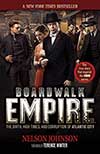
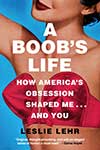
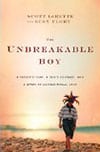
Notable authors include Nelson Johnson, author of Boardwalk Empire, which Martin Scorsese produced for HBO; Leslie Lehr, author of A Boob’s Life, which is currently being adapted for an HBO Max TV series by Salma Hayek; and Scott LeRette, author of The Unbreakable Boy, which was published by Thomas Nelson and is now a major motion picture by Lionsgate starring Patricia Heaton, Zachary Levi, and Amy Acker.
The founder of The Bestselling Author, Mark Malatesta, is a former literary agent, literary agency owner, AAR member, and Marketing & Licensing Manager for the gift and book publisher Blue Mountain Arts. He is now an author coach and consultant. Click here to see Mark Malatesta reviews.
About the Author
 The founder of The Bestselling Author, Mark Malatesta, is a former literary agent, literary agency owner, AAR member, and Marketing & Licensing Manager for the gift and book publisher Blue Mountain Arts. Mark is now a highly regarded author coach and consultant, dedicated to helping writers obtain literary agents. Drawing on decades of industry experience, he works with writers across genres, offering personalized coaching to navigate the complexities of the publishing world.
Through The Bestselling Author, Mark provides practical tools, industry insights, and motivational support tailored to each writer’s needs to help them do so. In addition to coaching, Mark shares his expertise through speaking engagements and online resources. His dedication to empowering authors has made him a trusted mentor in the writing community, earning him a reputation as a knowledgeable and approachable guide for writers pursuing their dreams. Click here for Mark Malatesta reviews.









 MARK MALATESTA is a former literary agent turned author coach. Mark now helps authors of all genres (fiction, nonfiction, and children's books) get top literary agents, publishers, and book deals through his company