

Most writers who ask how to copyright a book aren’t simply asking how to complete a government form. They’re asking: Can someone steal my manuscript? Should I register it before querying literary agents? Will a literary agent copyright it for me? Will a traditional publisher handle it? Does publishing through Amazon protect it? What happens if someone copies it before I register it Those are important questions—but they point to a larger misunderstanding.
In the United States, you generally own the copyright to your original book as soon as you write it and save it in a tangible form. Copyright protection begins automatically when an original work is fixed in a form that can be perceived, reproduced, or communicated. Registering your book with the U.S. Copyright Office is a separate step. Registration creates a public record of your copyright claim and can provide important legal advantages.
I’ve seen writers struggle with these questions throughout my career in publishing—as a former literary agent and literary agency owner, former Marketing & Licensing Manager for the book division of Blue Mountain Arts, and author coach and consultant since 2011 who has helped hundreds of writers secure offers from literary agents and/or traditional publishers.
That time has taught me that confusion about copyright doesn’t disappear when a writer gets a literary agent or publisher. It can become more complicated because authors, agents, and publishers have different responsibilities—and writers sometimes assume someone else handled something no one actually handled.
The mistake many writers make isn’t failing to create a copyright.
It’s waiting until someone infringes their book to discover that neither they, their literary agent, nor their publisher registered it when the timing mattered most.
Important disclaimer: I’m a former literary agent and author coach—not an attorney. This article provides general educational information about United States copyright and publishing practices. It isn’t legal advice. Copyright ownership, registration, contracts, infringement, available remedies, and the best course of action can depend on the facts, jurisdiction, and language of individual agreements. Consult a qualified copyright, intellectual-property, or publishing attorney regarding your situation.
Quick Summary
Copyright protection and copyright registration aren’t the same thing.
You generally receive copyright protection automatically when you create an original book and record it in a tangible form. Registering the book with the U.S. Copyright Office creates a public record and can provide additional legal advantages.
For a United States work, the Copyright Office generally must register or refuse an application before the copyright owner can file an infringement lawsuit in federal court. Registering before infringement begins—or within three months after the book’s first publication—can also preserve eligibility to seek statutory damages and attorneys’ fees.
The three-month grace period generally runs from the book’s first publication—not from the day you discover that someone copied it.
A literary agent usually helps negotiate and manage publishing rights but doesn’t normally register the manuscript. A traditional publisher might register the published book if the publishing contract requires it. Self-published authors normally need to make sure registration is handled themselves or by a professional they retain.
The safest approach is to clarify:
- Who owns the copyright?
- Who has permission to use which rights?
- Who is responsible for registration?
- When must registration occur?
- Who will verify that it actually happened?
Key Takeaways
- You probably already own the copyright to your original manuscript.
- Copyright protection and copyright registration are different.
- Sending a manuscript to a literary agent or publisher doesn’t transfer the copyright.
- Literary agents negotiate publishing rights but usually don’t file copyright registrations.
- A traditional publisher might register the finished book—but only assume that if the contract says so.
- A copyright notice, ISBN, Amazon listing, or mailed copy of your manuscript isn’t a substitute for federal registration.
- Waiting until infringement begins can limit the remedies available for that infringement.
- Writers should verify registration instead of assuming someone else completed it.
Table of Contents
- What Does It Mean to Copyright a Book?
- The Copyright Mistake Writers Make Too Late
- Five Copyright Concepts Writers Confuse
- The Copyright Handoff Map: Who Does What?
- Should You Copyright Your Book Before Querying Literary Agents?
- What Does a Literary Agent Do About Copyright?
- Does a Publisher Own the Copyright to Your Book?
- Who Registers a Traditionally Published Book?
- Copyright Contract Language Translated into Plain English
- How to Verify That Your Publisher Registered the Book
- Copyright for Self-Published Authors
- What If You Self-Published Before Seeking a Literary Agent?
- Determine Who Owns the Book Before Registering It
- How to Copyright a Book Step by Step
- How Much Does It Cost to Copyright a Book?
- How Long Does Copyright Registration Take?
- What Does Book Copyright Protect?
- Common Book Copyright Myths
- Copyright, Publishing Contracts, and Artificial Intelligence
- What If Someone Copies Your Book Before You Register It?
- Copyright Checklist for Authors
- Official Copyright Resources for Writers
- Final Thoughts
- Frequently Asked Questions

1. What Does It Mean to Copyright a Book?
Writers often use the phrase “copyright a book” to mean “register a book with the U.S. Copyright Office.” Legally, however, copyright and registration aren’t identical.
Copyright is a collection of rights that can protect an original work of authorship once it has been fixed in a tangible form. A book can be fixed by writing it on paper, saving it in a computer file, recording it, or otherwise placing it in a form that can be perceived or reproduced.
Copyright protection can apply to published and unpublished writing. You don’t need to submit a form, place a copyright symbol on the manuscript, obtain an ISBN, or publish the book for copyright protection to begin.
Copyright registration is the process of submitting an application, filing fee, and required deposit copy to the U.S. Copyright Office. Registration creates a public record of the claim and can provide additional legal advantages.
So, the more precise question isn’t:
How do I get a copyright for my book?
It’s:
Should I register the copyright to my book—and who is responsible for making sure that happens?
2. The Copyright Mistake Writers Make Too Late
Imagine the following scenario.
An author finishes a manuscript and begins querying literary agents. She hasn’t registered it, but the manuscript is already protected by copyright. She signs with an agent and assumes the agency will register the work.
The agent assumes registration will be addressed after a publisher acquires the book. The author signs a publishing contract. The book’s copyright page eventually includes a copyright symbol and her name, so she assumes the publisher registered it.
Years later, she discovers an unauthorized edition, adaptation, or widespread piracy. Only then does she learn that no one filed the registration when the timing mattered most. She hasn’t necessarily lost her copyright. However, she might have lost access to some of the most useful potential remedies for an infringement that began before registration.
For a United States work, the Copyright Office generally must register or refuse the application before an infringement lawsuit can be filed in federal court. Registering before infringement begins—or within three months following first publication—can preserve eligibility to seek statutory damages and attorneys’ fees.
An author who registers later might still have options. Depending on the facts, a copyright owner might pursue actual damages, profits attributable to infringement, an injunction, a platform takedown, a claim through the Copyright Claims Board, or another remedy. However, actual damages can be difficult or expensive to prove, and the remedies available depend on the circumstances.
The lesson isn’t that late registration is worthless. It’s that the moment after you discover infringement isn’t the ideal moment to start asking who was supposed to register the book.
3. Five Copyright Concepts Writers Confuse
Many publishing misunderstandings disappear once writers separate five related—but different—concepts.
Copyright Protection
Copyright protection answers:
Does copyright law protect this original expression?
Protection generally begins automatically when the author fixes an original work in a tangible form.
Copyright Ownership
Ownership answers:
Who owns the intellectual property?
The person who writes an original manuscript is generally its initial copyright owner unless a special circumstance applies, such as employment, joint authorship, a qualifying work-made-for-hire arrangement, or a written transfer.
Copyright Registration
Registration answers:
Has a copyright claim been filed with the U.S. Copyright Office?
Owning a copyright doesn’t mean it has been registered. Likewise, including a copyright notice in the book doesn’t prove that registration occurred.
Copyright Notice
Notice answers:
Does the book identify who claims the copyright and when it was published?
A conventional notice might read:
© [Year] Author Name
A notice can provide useful information, but it isn’t the same as registration.
Licensing or Granting Rights
Licensing answers:
Who has permission to publish, reproduce, distribute, translate, adapt, record, or otherwise use the book—and under what conditions?
A traditional publisher generally doesn’t need to own the author’s entire copyright to publish a book. The author can retain ownership while granting the publisher specific exclusive rights.
This distinction is important:
You own the copyright. Your literary agent negotiates the rights. Your publisher uses the rights granted in the publishing contract. But someone still has to register the copyright—and you should know who that is.
4. Copyright Responsibility: Who Does What?
Here is the typical copyright path in trade publishing.
| Publishing Stage | What Usually Happens | What the Author Shouldn’t Assume |
|---|---|---|
| The author writes the manuscript | Copyright protection generally begins automatically. | That automatic protection and federal registration are identical. |
| The author queries agents | Agents evaluate whether to represent and submit the book. | That submitting the manuscript transfers ownership or causes registration. |
| The author signs with an agent | The agent becomes authorized to represent and negotiate specified rights. | That the agent now owns or will register the manuscript. |
| The agent submits to publishers | The agent offers defined publishing rights to interested publishers. | That publishers receive ownership simply by reading or considering the manuscript. |
| The author signs a publishing contract | The publisher receives the rights described in the agreement. | That the publisher acquired every possible right connected to the book. |
| The publisher releases the book | The publisher might register the copyright if required by the contract. | That a copyright page proves registration occurred. |
| The book remains available | The publisher continues exercising its contractual rights. | That those rights can never expire or revert to the author. |
This is a general publishing model—not a universal rule. Agency agreements, publishing contracts, work-made-for-hire arrangements, academic publishing agreements, and other circumstances can operate differently.
Writers who want a broader explanation of the author-agent-publisher relationship can read my complete guide explaining how to get a literary agent and what agents do before and after offering representation.
5. Should You Copyright Your Book Before Querying Literary Agents?
You don’t need to register a manuscript merely to make it legal or acceptable to query literary agents.
Your original writing is generally protected by copyright as soon as you create and save it. Sending it to an agent doesn’t surrender that protection. A transfer of copyright ownership generally requires a written document signed by the copyright owner or the owner’s authorized representative.
Registration also isn’t a standard prerequisite for literary representation. Reputable literary agents don’t normally require authors to provide a copyright certificate before considering a manuscript.
Reasons an Author Might Register Before Querying
An author might decide to register an unpublished manuscript because:
- The manuscript is complete or substantially complete.
- The author wants a public record of the copyright claim.
- The author wants the legal benefits associated with registration.
- The manuscript will be circulated broadly.
- Registration will provide the author with reasonable peace of mind.
Reasons an Author Might Wait
An author might decide not to register before querying because:
- The manuscript is still undergoing substantial revision.
- The author expects the eventual publisher to register the published edition.
- The book contains contributions or permissions that haven’t been finalized.
- The author wants legal guidance before identifying the proper authors and claimants.
- The author doesn’t want to register multiple materially different versions unnecessarily.
There isn’t one right answer for every writer. The important point is that registration before querying is a business and legal decision—not a literary-agent submission requirement.
Copyright registration is also separate from the submission process. Before approaching agents, writers should follow each agency’s instructions regarding query letters, synopses, proposals, sample pages, and manuscripts. My complete guide to literary agent submissions explains what agents normally request and how to submit it.
Should You Put a Copyright Warning on Your Manuscript?
Including a conspicuous warning such as “Copyrighted—Do Not Reproduce” on a query letter or manuscript title page doesn’t make the writing more protected, improve the submission, or make an agent more interested. Agents already understand that manuscripts are creative works protected by copyright. A conventional copyright notice isn’t necessarily harmful, but it’s unnecessary for most agent submissions—and it isn’t a substitute for registration.
6. What Does a Literary Agent Do About Copyright?
A literary agent’s role is primarily to help the author evaluate, negotiate, license, and protect publishing rights. The Association of American Literary Agents says its members represent authors throughout the publishing process, handling the sale of rights through publication and helping clients develop successful publishing careers. That work is part of the larger process described in my guide to what happens after you get a literary agent.
Depending on the agency and book, a literary agent might help an author:
- Retain copyright ownership.
- Define the publisher’s grant of rights.
- Reserve valuable rights the publisher doesn’t need.
- Negotiate print, ebook, audio, foreign, translation, film, television, stage, merchandising, and other rights.
- Clarify who will register the copyright.
- Improve reversion-of-rights language.
- Negotiate infringement and enforcement provisions.
- Address new uses such as generative-AI training and licensing.
A book’s copyright includes a bundle of rights that can sometimes be licensed separately. My guide to subsidiary rights in publishing explains audio, translation, international, film, television, merchandise, and other opportunities in greater detail.
Does a Literary Agent Register Your Copyright?
An authorized agent can submit a copyright application on behalf of an author or copyright owner. However, traditional literary agents don’t normally operate as copyright-registration services. Their primary job is representing the author’s publishing interests. Buy a good agent should understand why copyright ownership, registration, licensing, enforcement, and reversion language matter in a publishing contract.
Does Signing with an Agent Transfer Your Copyright?
A standard literary-agency relationship shouldn’t transfer ownership of the book’s copyright to the agent. The agency agreement generally authorizes the agent to represent the author and negotiate specified rights. Read any agreement carefully, particularly provisions concerning:
- Which books and rights the agency represents
- The agent’s authority to negotiate or sign documents
- Commission percentages
- Payment collection and distribution
- Termination
- Continuing commissions after termination
- Subsidiary-rights management
Representation and ownership aren’t the same thing. Before signing, authors should understand the scope of representation, the agent’s authority, and which works or rights the agreement covers. My guide to responding to an offer of representation from a literary agent includes additional information about literary-agent agreements.
7. Does a Publisher Own the Copyright to Your Book?
Usually, the better arrangement in trade publishing is for the author to retain copyright ownership while granting the publisher defined rights.
For example, a publisher might receive the exclusive right to publish and sell English-language print and ebook editions in specified territories. The publisher might also acquire or control audiobook, translation, or other subsidiary rights.
That doesn’t necessarily mean the publisher owns the underlying copyright.
The Authors Guild Model Trade Book Contract recommends that trade authors retain copyright and license specified uses rather than assign the complete copyright to a publisher. The Authors Guild notes that some academic presses and other arrangements might seek broader assignments.
Granting Rights Versus Assigning Copyright
These phrases can have very different consequences:
“The Author grants the Publisher…”
This usually introduces a license or grant of specified rights. The details that follow determine what the publisher may do.
“The Author assigns all right, title, and interest…”
This can indicate a transfer of copyright ownership rather than a limited publishing license.
One word doesn’t determine the complete legal effect of a contract, but authors shouldn’t skim past terms such as:
- Grant
- Assign
- Transfer
- Exclusive
- Irrevocable
- Perpetual
- Throughout the universe
- Now known or later developed
Get qualified legal advice before signing language you don’t understand.
Rights Should Be Divided Deliberately
The important question isn’t merely whether a publisher wants “rights.”
The questions are:
- Which rights?
- In which formats?
- In which languages?
- In which territories?
- For how long?
- May the publisher sublicense them?
- What revenue share will the author receive?
- What happens if the publisher doesn’t use them?
- When and how do the rights revert?
The rights a publisher receives can also depend on which type of publishing arrangement the author chooses. My guide explaining how to publish a book compares traditional publishing, independent publishing, and other publishing options.
8. Who Registers a Traditionally Published Book?
There is no universal answer.
Some traditional publishers register copyrights for the books they publish. Other contracts place some or all responsibility on the author. A contract might specify the procedure—or remain frustratingly vague.
The Authors Guild’s Model Trade Book Contract recommends language requiring the publisher to register the work in the author’s name within 90 days of initial publication and provide the author with a copy of the registration certificate.
That is model language—not proof that every publisher follows it.
Before signing, look for sections titled:
- Copyright
- Copyright Registration
- Ownership
- Grant of Rights
- Registration and Notice
- Protection of Rights
- Infringement
The contract should ideally answer:
- Will the publisher register the book?
- Is registration mandatory or optional?
- When must it occur?
- Who will be listed as the author?
- Who will be listed as the copyright claimant?
- Who pays the filing fee?
- Will the publisher send the certificate to the author?
- Who decides whether to pursue infringement?
- Who pays enforcement expenses?
- How are any recoveries divided?
“Shall” and “May” Aren’t the Same
Compare:
Publisher shall register the copyright within 90 days following publication.
With:
Publisher may register the copyright in its discretion.
The first creates a clearer contractual obligation. The second permits registration but doesn’t promise it. Actual contract interpretation depends on the complete language and applicable law, so this example shouldn’t replace legal review. If a contract doesn’t clearly require the publisher to register the book, discuss the issue with your agent or attorney before deciding whether and when to file yourself.
9. Copyright Contract Language Translated into Plain English
Here is a plain-English guide to several phrases writers might encounter. The meaning of any actual clause depends on the entire agreement.
| Contract Language | What It Might Mean | What to Examine |
|---|---|---|
| “Author grants Publisher the exclusive right…” | The author is giving the publisher exclusive permission to exercise the listed rights. | Formats, languages, territories, duration, sublicensing, and reversion. |
| “All rights not expressly granted are reserved by Author…” | The author retains rights that aren’t specifically included in the grant. | Whether the grant is precise enough for this protection to be meaningful. |
| “Publisher may sublicense…” | The publisher can license some acquired rights to another company. | Which rights, author approval, accounting, and revenue division. |
| “Author assigns the copyright…” | The language might transfer ownership rather than merely license publishing rights. | Whether an assignment is necessary, how long it lasts, and whether ownership can return. |
| “Publisher shall register the copyright in Author’s name…” | The publisher is undertaking responsibility for registration while the author remains the claimant. | Deadline, filing responsibility, certificate delivery, and remedies if the publisher fails to file. |
| “Publisher will place a copyright notice in Author’s name…” | The publisher will print a notice such as © Author Name, Year. | Whether the contract separately requires federal registration. |
| “Rights revert to Author…” | Specified rights return to the author after defined conditions are satisfied. | Sales or earnings thresholds, notice procedures, timing, and unavailable formats. |
| “Now known or later developed…” | The grant might include future technologies or formats that don’t yet exist. | Whether the language is unnecessarily broad and how revenue from future uses will be divided. |
A strong reversion clause matters because publishing agreements can grant rights for a long period. The Authors Guild’s model reversion language favors clear, measurable conditions rather than allowing minimal print-on-demand or ebook availability to keep a book permanently tied up.
10. How to Verify That Your Publisher Registered the Book
Don’t confuse a copyright page with a copyright registration. A copyright notice can identify the copyright owner and publication year. For modern United States publications, notice is generally optional, although it can still provide practical benefits. It isn’t a substitute for registering the work.
After publication, ask the publisher or literary agent for:
- The date the application was submitted
- The copyright registration number
- A copy of the registration certificate
- Confirmation of the author and claimant names
- Confirmation of the version or edition registered
You can also search Copyright Office public records, although a pending application might not appear immediately while it is being processed.
Check the Certificate Carefully
Verify that:
- The author’s name is correct.
- The claimant or copyright owner is correct.
- The title is correct.
- The publication status and date are accurate.
- The correct edition or version is identified.
- Any excluded or preexisting material is described appropriately.
Remember That Registration Records Are Public
Most information provided on a copyright application becomes part of a public record and can be available online. The Copyright Office advises applicants concerned about privacy to consider using appropriate nonpersonal contact information, such as a business address, post-office box, agent’s address, business telephone number, or dedicated business email address.
Review the Copyright Office’s privacy guidance for public registration records before applying.
11. Copyright for Self-Published Authors
A self-published author doesn’t have a traditional publisher to assume responsibility for registration. That means the author needs to decide whether and when to register the book—and make sure the application is completed accurately, either personally or by a qualified professional.
Does Amazon Copyright Your Book?
No. Publishing through Kindle Direct Publishing isn’t the same as registering a book with the U.S. Copyright Office. Amazon KDP requires publishers to confirm that they control the necessary publishing rights, and it provides tools for producing and distributing books. Copyright registration remains a separate federal process.
You can review Amazon’s intellectual-property and publishing-rights information for KDP authors.
Does a KDP ISBN Copyright Your Book?
No. An ISBN is a product identifier used to identify a particular edition and format of a book. When KDP provides a free print ISBN, it registers the ISBN information with Bowker. That is ISBN registration—not copyright registration.
Amazon explains its ISBN options on the KDP ISBN information page.
Should Self-Published Authors Register Before or After Publishing?
That decision depends on the author’s circumstances, but publication status must be reported accurately. An author might register the final unpublished manuscript shortly before release. Another might register the published edition promptly after release. An author who expects major changes should consider which version contains the authorship they most need to register. Remember that the three-month grace period for preserving certain remedies is tied to first publication.
Make Sure You Control Everything in the Book
Before self-publishing, confirm that you own or have permission to use:
- The manuscript text
- Illustrations
- Photographs
- Maps and charts
- Forewords and contributed material
- Song lyrics and poetry excerpts
- Lengthy quotations
- Cover art and design elements
- Translated material
Paying someone to create material doesn’t automatically mean you own its copyright. Your written agreement should explain whether the creator retains ownership, licenses defined uses, or transfers ownership.
12. What If You Self-Published Before Seeking a Literary Agent?
Previously self-published authors should tell prospective literary agents:
- When and where the book was published
- Which formats were released
- Which editions exist
- How many copies were sold
- Which rights the author still controls
- Whether any rights are tied up in an agreement
- Whether the copyright was registered
- Which version was registered
- How substantially the current manuscript differs from the published edition
Previous publication can affect copyright registration, contract language, rights availability, and the book’s commercial positioning. Don’t describe a previously published book as unpublished simply because you removed it from sale or substantially revised it.
Learn more in my guide to getting a literary agent after self-publishing.
13. Determine Who Owns the Book Before Registering It
Registration can become complicated when a book contains work created by more than one person.
Clarify ownership before filing when a project involves:
- Coauthors
- Ghostwriters
- Illustrators
- Photographers
- Translators
- Foreword or afterword contributors
- Researchers who contributed original text
- Employers
- Commissioning organizations
- Previously published material
- Artificially generated material
Coauthors
When two or more people intend their contributions to become inseparable or interdependent parts of one work, joint-authorship questions might arise.
A written collaboration agreement can clarify:
- Copyright ownership percentages
- Authorship credit
- Decision-making authority
- Expenses and income
- Licensing authority
- Revision responsibilities
- What happens if the collaborators disagree
- What happens if one collaborator dies or becomes unavailable
Ghostwriters
Paying someone to write a manuscript doesn’t automatically answer every ownership question. A ghostwriting agreement should clearly address copyright ownership, credit, confidentiality, warranties, permissions, payment, revisions, and whether the work is being assigned or qualifies as work made for hire.
Illustrators and Photographers
An author who pays for illustrations or photographs doesn’t necessarily own their copyrights.
The agreement should state whether the creator:
- Retains ownership and grants limited permission
- Grants broad exclusive publishing rights
- Transfers copyright ownership
Permission to use an image in one edition isn’t necessarily permission to use it in every format, territory, language, advertisement, adaptation, or product.
A book’s copyright page might properly identify separate ownership, such as:
Text copyright © Author Name
Illustrations copyright © Illustrator Name
Works Made for Hire
A qualifying work made for hire can cause an employer or commissioning party to be treated as the legal author and copyright owner. The doctrine can apply to work created by an employee within the scope of employment and to certain specially commissioned works when the legal requirements are satisfied.
Simply placing the phrase “work made for hire” in an agreement doesn’t guarantee that the arrangement qualifies. Review the Copyright Office’s Work Made for Hire circular and consult an attorney when the distinction matters.
14. How to Copyright a Book Step by Step
Here is the basic United States registration process.
Step 1: Identify the Work You’re Registering
Determine whether you’re registering:
- An unpublished manuscript
- A published book
- A revised edition
- One book
- Multiple qualifying unpublished works
- Text only
- Text with illustrations, photographs, or other material
Books, novels, nonfiction, memoirs, autobiographies, how-to books, cookbooks, textbooks, poetry, and many other written works are generally registered as literary works.
Start with the Copyright Office’s literary-works registration page.
Step 2: Determine Whether the Book Is Published or Unpublished
Copyright protection doesn’t require publication, but publication status affects the application and deposit requirements.
For copyright purposes, publication generally involves distributing copies to the public through sale or another transfer of ownership, rental, lease, or lending. Offering copies to a group for further distribution, public performance, or public display can also constitute publication.
Publication can be fact-specific. Get qualified guidance if you’re uncertain about a manuscript that has been posted online, distributed privately, sold in an earlier version, or made available through a limited platform.
Step 3: Identify the Author and Claimant
The author is the person or entity legally responsible for creating the copyrightable material. The claimant is the copyright owner. They are often the same person, but not always. A company, employer, heir, publisher, or other party might be the claimant if ownership has been transferred or arises through another legal mechanism.
Step 4: Choose the Correct Application
A qualifying Single Application is available for one work created by one individual author when the author and claimant are the same and the work wasn’t made for hire. Other circumstances generally require the Standard Application or another specialized option.
The Copyright Office also offers group registration for as many as ten qualifying unpublished works. Every work in the group must satisfy the applicable requirements. Choosing the wrong application can create delays, correspondence, or refusal.
Step 5: Use the Official Copyright Office Registration Portal
Create an account and select the literary-work registration option that fits your circumstances through the official Copyright Office registration portal. Be cautious with third-party services that make their websites resemble government sites or charge substantial fees for completing a process you might be able to handle directly.
A third-party service might offer useful assistance, but understand:
- What it is charging
- What it will do
- Whether an attorney will review the application
- Whether the fee includes the government filing fee
Step 6: Complete the Application Accurately
You’ll generally provide information about:
- The title
- The author or authors
- The copyright claimant
- The year of completion
- Publication status
- The date and nation of first publication, if applicable
- Previous registrations
- Preexisting or excluded material
- Rights-and-permissions contacts
- Correspondence and mailing information
The registration record is based on the information you submit. Review everything carefully before certifying the application.
Step 7: Pay the Filing Fee
The fee depends on the application and filing method. Fees are generally nonrefundable, including when registration is refused.
Step 8: Submit the Required Deposit Copy
A deposit is the copy of the work submitted for registration. Depending on whether the book is published, unpublished, electronic, or physically published, you might upload a digital file or need to send one or more physical copies. Deposits generally aren’t returned. Follow the instructions for your specific application rather than assuming every book can be handled entirely through a digital upload.
Step 9: Save Your Confirmation and Monitor Correspondence
Keep:
- The submission confirmation
- Payment confirmation
- Deposit information
- Shipping records, when applicable
- Copies of everything submitted
- Copyright Office correspondence
- The eventual certificate
Monitor the email address used in the application. Questions or deficiencies can delay the process, so respond completely and promptly.
Step 10: Review and Retain the Certificate
When the certificate arrives, verify that the information is accurate and keep it with your publishing contracts and other important business records.
15. How Much Does It Cost to Copyright a Book?
As of today, Copyright Office registration fees include:
- $45 for a qualifying electronic Single Application
- $65 for an electronic Standard Application
- $125 for a paper application
- $85 for a qualifying group of unpublished works
Additional fees apply to supplementary registrations, special handling, recordation, searches, and other services. And fees can change. Verify the current amount on the official Copyright Office fee schedule before submitting an application.
Professional help will cost more. Depending on the circumstances, that additional expense might be worthwhile when:
- Ownership is complicated.
- The book has multiple contributors.
- Substantial permissions are involved.
- The work has been published in multiple versions.
- Previous registrations exist.
- Valuable rights are at stake.
- An infringement has already occurred.
16. How Long Does Copyright Registration Take?
Processing time varies based on:
- The application method
- Whether the deposit is digital or physical
- The complexity of the claim
- Errors or omissions
- Whether the examiner needs additional information
- Copyright Office workload and staffing
Times vary but, at the time this article was puiblished, the Copyright Office was reporting an average processing time of 4.1 months across all claims. Electronic applications with uploaded digital deposits that didn’t require correspondence average 3.6 months. Applications requiring correspondence or physical deposits generally take longer.
Review the most recent Copyright Office processing-time report before relying on any estimate.
The effective date of registration generally isn’t the date the certificate arrives. It is generally the date the Copyright Office receives an acceptable application, deposit, and fee. If something required is missing or unacceptable, the effective date can be delayed until the mistake is corrected.
17. What Does Book Copyright Protect?
Copyright can protect an author’s original expression.
Depending on the book, that can include original:
- Prose
- Scenes
- Dialogue
- Descriptions
- Explanations
- Illustrations
- Photographs
- Maps
- Charts
- Other creative material
Copyright doesn’t protect facts, ideas, systems, procedures, methods of operation, discoveries, or concepts themselves—although it can protect an author’s original expression of them.
Can You Copyright a Book Idea?
Not by itself. Two authors can write books based on the same broad premise, topic, historical event, teaching principle, character type, or general concept. Copyright protects expression—not ownership of an abstract idea.
Can You Copyright a Book Title?
A book title isn’t protected by copyright. Trademark or unfair-competition law might be relevant in some circumstances, particularly involving series titles, brands, or source identification, but that is a separate legal analysis. Review the Copyright Office’s registration FAQs for more information about titles and other material that copyright doesn’t protect.
Does Registering an Early Draft Protect Every Later Version?
Not necessarily. A registration of an earlier manuscript covers the copyrightable authorship contained in that registered version. It doesn’t automatically create a separate registration for materially new authorship added later. Minor corrections generally don’t justify a new registration. Substantial new creative material—such as new chapters, extensive rewrites, or significant new illustrations—might support registration of a revised work.
Does United States Registration Protect a Book Worldwide?
There is no single worldwide copyright registration that creates identical rights and remedies in every country. International protection depends on the laws of individual countries and applicable treaties. A United States registration can still be extremely important for enforcement in the United States.
18. Common Book Copyright Myths
Myth: Putting © on the Book Registers It
A copyright notice and copyright registration are different. A notice can be useful, but it doesn’t create a federal registration record.
Myth: An ISBN Copyrights the Book
An ISBN identifies a particular edition and format for publishing, bookselling, distribution, and library systems. It isn’t copyright registration.
Myth: Mailing the Manuscript to Yourself Is Just as Good
The so-called “poor man’s copyright” isn’t recognized as a substitute for federal registration.
Myth: A Literary Agent Automatically Registers Every Represented Manuscript
Agents usually focus on representation, submissions, rights, negotiations, contracts, and career management—not government registration filings.
Myth: A Traditional Publisher Always Registers the Copyright
Some do. Some contracts require it. Other contracts don’t. Verify instead of assuming.
Myth: Publishing on Amazon Registers the Copyright
Amazon provides a publishing and distribution platform. Federal copyright registration is a separate process.
Myth: Registration Prevents Anyone from Copying the Book
Registration doesn’t create a technological barrier that makes infringement impossible. It creates a public record and provides legal benefits that can help the owner respond.
Myth: You Lose Your Copyright If You Don’t Register Immediately
Copyright generally exists automatically. However, delaying registration can affect enforcement and available remedies.
Myth: Selling Publishing Rights Means Selling the Entire Copyright
A publishing contract can license specified rights while the author retains copyright ownership. The outcome depends on the contract language.
Myth: Copyright Protects the Idea Behind the Book
Copyright protects original expression—not the general idea, premise, topic, method, or theme.
19. Copyright, Publishing Contracts, and Artificial Intelligence
Artificial intelligence is creating additional questions about copyright registration, authorship, licensing, and publishing contracts.
Can an AI-Assisted Book Be Copyrighted?
Human-authored material can remain copyrightable when AI tools assist the creative process. However, the U.S. Copyright Office’s current position focuses on whether a human author determined sufficient expressive elements of the work. Merely providing prompts generally doesn’t establish human authorship of the resulting expressive material.
Writers registering books containing AI-generated material should review the Copyright Office’s current copyright and artificial-intelligence guidance and accurately identify the material being claimed. Don’t assume that editing, selecting, arranging, or prompting automatically makes every element of AI output copyrightable. This is a developing area, and the result can depend on the degree and nature of human authorship.
Can a Publisher License Your Book for AI Training?
That depends on the publishing contract and applicable law. The Association of American Literary Agents’ current position is that, unless AI-training rights are clearly and explicitly granted in a publishing agreement, the right to authorize that use remains with the creator or copyright holder. AALA advocates consent and compensation for AI licensing.
Look carefully for contract language involving:
- Artificial intelligence
- Machine learning
- Model training
- Data mining
- Text and data analysis
- Digital uses
- Future technologies
- Uses “now known or later developed”
- Sublicensing
- Derivative or synthetic content
This area continues to change. Authors presented with AI-related contract language should strongly consider consulting an experienced publishing attorney.
20. What If Someone Copies Your Book Before You Register It?
Don’t assume that failing to register before discovering infringement means you have no copyright or no options. It does mean you should get situation-specific advice promptly.
Consider taking the following initial steps:
- Preserve dated evidence of the suspected infringement.
- Save URLs, screenshots, files, sales pages, correspondence, and publication information.
- Gather dated copies and records showing when you created and distributed your work.
- Determine whether the book or an earlier version was registered.
- Identify when the alleged infringement began.
- Avoid making public accusations or legal threats before understanding the facts.
- Consult a qualified copyright attorney about available options.
Possible avenues might include contacting the user or platform, sending a formal notice, pursuing a settlement, filing a claim through the Copyright Claims Board, or bringing an action in federal court.
The Copyright Claims Board provides a streamlined alternative to federal court for certain copyright disputes involving claims of up to $30,000. Participation, registration requirements, procedures, defenses, and strategic considerations still need to be evaluated carefully.
Late registration can still be valuable. However, it might not restore statutory damages or attorneys’ fees for an infringement that began before the effective date of registration and falls outside the three-month publication grace period.
21. Copyright Checklist for Authors
Before Querying Literary Agents
- Save dated versions and backups of your manuscript.
- Confirm who contributed copyrightable material.
- Get written agreements with collaborators.
- Decide whether registering the unpublished manuscript makes sense.
- Research literary agents carefully.
- Don’t clutter submissions with threatening copyright warnings.
After Receiving an Offer of Representation
- Read the agency agreement.
- Confirm that the author retains copyright ownership.
- Understand which books and rights the agent may represent.
- Clarify the agent’s authority to negotiate or sign.
- Ask how the agent handles subsidiary and AI-related rights.
- Discuss copyright-registration language before a publishing deal is finalized.
Before Signing a Publishing Contract
- Identify every right being granted.
- Identify every right being retained.
- Distinguish a license from an assignment.
- Review formats, territories, languages, and duration.
- Confirm who will register the copyright.
- Require a meaningful registration deadline.
- Clarify who will be named as claimant.
- Require a copy of the registration certificate.
- Review infringement and enforcement provisions.
- Review reversion-of-rights language.
- Review AI-training and future-technology language.
- Get qualified legal advice when needed.
After Traditional Publication
- Confirm the date the registration application was filed.
- Request the registration number.
- Obtain the certificate.
- Verify the author, claimant, title, edition, and publication information.
- Keep the certificate with the publishing contract.
- Don’t assume the copyright notice proves registration.
Before Self-Publishing
- Confirm that you own or control all included material.
- Obtain necessary permissions.
- Use written agreements with freelancers and collaborators.
- Determine whether the book is published or unpublished when filing.
- Choose the correct registration application.
- Understand that an ISBN isn’t a copyright registration.
- Consider privacy before entering personal contact information.
- Save the application, deposit, confirmation, correspondence, and certificate.
22. Official Copyright Resources for Writers
Copyright information changes, particularly filing fees, processing times, forms, and policies concerning emerging technology. Verify current requirements through these official resources:
- What Is Copyright?
- Register a Literary Work
- U.S. Copyright Office Registration Portal
- Current Copyright Office Fees
- Copyright Registration Processing Times
- Search Copyright Public Records
- Copyright Registration Privacy Information
- Copyright and Artificial Intelligence
- Copyright Claims Board
- Authors Guild Model Trade Book Contract: Copyright
- Association of American Literary Agents
These resources provide general information and examples. They don’t replace individualized legal advice.
23. Final Thoughts: Protect the Book Before You Need the Protection
The biggest copyright mistake writers make isn’t failing to place a copyright symbol on the manuscript. It’s failing to understand who owns the book, who controls each right, who is responsible for registration, and whether registration actually happened.
You have a role in protecting your book before you get a literary agent. Your literary agent has a role when negotiating publishing and subsidiary rights. Your publisher has a role when exercising the rights it acquires and fulfilling its contractual responsibilities.
But no one should rely on assumptions.
You own it. Your literary agent negotiates the rights. Your publisher uses the rights it acquires. Someone still has to register the copyright—and you need to make sure that actually happens.
Understanding copyright is only one part of preparing your book for literary agents and publishers. Explore my complete guide explaining how to get a literary agent for more information about preparing, positioning, and submitting your work.
Need Help with the Literary-Agent and Publisher Side?
I don’t provide legal advice or copyright-registration services. However, I help authors prepare and position their books, improve their manuscripts and pitch materials, identify appropriate literary agents, and navigate the representation and traditional-publishing process.
Learn more about getting one-on-one literary-agent advice.
FAQ: Questions About How to Copyright a Book
How do I copyright a book?
An original book generally receives copyright protection automatically when it is written and fixed in a tangible form. To register the copyright in the United States, submit the appropriate application, filing fee, and required deposit copy to the U.S. Copyright Office.
Do I need to copyright my book?
Your original book is generally protected automatically. Federal registration is optional, but it creates a public record and can provide important legal advantages.
Should I copyright my book before sending it to a literary agent?
Registration isn’t normally required before querying literary agents. Some writers register a completed unpublished manuscript for the additional legal benefits and public record; others wait until the published edition is ready.
Can a literary agent steal my book?
Submitting a manuscript doesn’t transfer ownership. Research agents carefully, use reliable contact information, keep records of submissions, and avoid people impersonating legitimate agents or asking for inappropriate payments.
Does a literary agent copyright your book?
Normally, no. Literary agents typically negotiate publishing and subsidiary rights rather than file copyright-registration applications.
Does a publisher copyright your book?
A publisher may register the published book if the publishing contract requires or permits it. Authors should review the contract and verify that registration occurred.
Does a publisher own your copyright?
Not necessarily. In many trade publishing arrangements, the author retains copyright ownership while granting the publisher specified exclusive rights.
Does Amazon copyright your book?
No. Publishing through Amazon KDP isn’t a substitute for registering the book with the U.S. Copyright Office.
Does an ISBN copyright a book?
No. An ISBN identifies a specific format and edition of a book. It doesn’t provide federal copyright registration.
Can you copyright an unpublished manuscript?
Yes. The U.S. Copyright Office registers both published and unpublished literary works.
How much does it cost to copyright a book?
At the time this article was written, electronic filing was $45 for a qualifying Single Application and $65 for a Standard Application. Fees can change, so verify the current Copyright Office fee schedule.
How long does it take to copyright a book?
Processing time varies. At the time this article was written, the Copyright Office reported an overall average of 4.1 months for claims, although individual claims can take less or considerably more time.
Do I need to wait for the certificate before publishing or querying?
No. You don’t need a registration certificate before querying an agent or publishing the book. The effective registration date generally depends on when the Copyright Office receives an acceptable application, deposit, and fee—not when the certificate arrives.
Does a copyright page register the book?
No. A copyright page can provide notice of an ownership claim, but it doesn’t replace federal registration.
Can I copyright a book title?
No. Copyright doesn’t protect book titles. Other forms of legal protection, including trademark law, might apply in limited circumstances.
Do I need another registration after revising my book?
Minor edits usually don’t justify a new registration. Substantial new creative material might. The answer depends on what changed and which version was previously registered.
Can an AI-assisted book be copyrighted?
Human-authored material can qualify for copyright protection even when AI assists the process. Purely AI-generated expressive material isn’t protected as human authorship, and prompts alone are generally insufficient.
About
This article about “How to Copyright a Book” was written by a former literary agent turned author coach. Mark Malatesta is the creator of The Directory of Book Agents, host of Ask a Publishing Agent, and founder of Literary Agent Undercover and The Bestselling Author.
Mark has helped hundreds of authors get offers from literary agents and/or traditional publishers. Writers of all Book Genres have used our Book Agent Advice coaching/consulting to get Top Literary Agents at the Best Literary Agencies on our List of Literary Agents.
The Bestselling Author, LLC
 Established in 2011, The Bestselling Author has helped 400+ authors get literary agents and/or traditional publishers. Writers who’ve worked with Literary Agent Undercover, a division of The Bestselling Author, have gotten six-figure book deals; been on the New York Times bestseller list; had their books adapted for TV, stage, and feature film; had their work licensed in 40+ countries; and sold many millions of books.
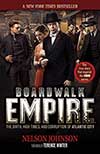
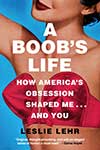
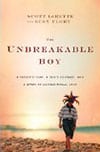
Notable authors include Nelson Johnson, author of Boardwalk Empire, which Martin Scorsese produced for HBO; Leslie Lehr, author of A Boob’s Life, which is currently being adapted for an HBO Max TV series by Salma Hayek; and Scott LeRette, author of The Unbreakable Boy, which was published by Thomas Nelson and is now a major motion picture by Lionsgate starring Patricia Heaton, Zachary Levi, and Amy Acker.
The founder of The Bestselling Author, Mark Malatesta, is a former literary agent, literary agency owner, AAR member, and Marketing & Licensing Manager for the gift and book publisher Blue Mountain Arts. He is now an author coach and consultant. Click here to see Mark Malatesta reviews.
About the Author
 The founder of The Bestselling Author, Mark Malatesta, is a former literary agent, literary agency owner, AAR member, and Marketing & Licensing Manager for the gift and book publisher Blue Mountain Arts. Mark is now a highly regarded author coach and consultant, dedicated to helping writers obtain literary agents. Drawing on decades of industry experience, he works with writers across genres, offering personalized coaching to navigate the complexities of the publishing world.
Through The Bestselling Author, Mark provides practical tools, industry insights, and motivational support tailored to each writer’s needs to help them do so. In addition to coaching, Mark shares his expertise through speaking engagements and online resources. His dedication to empowering authors has made him a trusted mentor in the writing community, earning him a reputation as a knowledgeable and approachable guide for writers pursuing their dreams. Click here for Mark Malatesta reviews.





 MARK MALATESTA is a former literary agent turned author coach. Mark now helps authors of all genres (fiction, nonfiction, and children's books) get top literary agents, publishers, and book deals through his company