

This updated guide about book-to-screen adaptation explains how books become movies and television shows, when screen interest can occur, who handles film and TV rights, what being optioned really means, where authors can find credible opportunities, and when a screenwriting representative—rather than a book agent—might be appropriate. It’s part of our more-detailed guide about how to get a literary agent.
Book-to-screen adaptation can happen before a book is published, after it becomes successful, or decades later. But calling a manuscript “cinematic” doesn’t make that take place—and even an option doesn’t mean a movie or television series will be produced. I’ve written about this topic before, but streaming changed how stories are discovered and watched, the entertainment market has become more selective, ScreenCraft discontinued its services, and new book-to-screen opportunities have appeared.
Lead with the book. Screen potential can add value, but it rarely compensates for a weak book or query.
Quick Summary
Book-to-screen interest can arise before publication, around publication, after a book becomes successful, or years later. Most authors, however, should lead with the book and seek literary representation for publication first. Screen potential can strengthen a project, but it won’t rescue a weak manuscript or pitch. A request to read, a shopping agreement, an option, development, production, and release are different stages. Book agents, dramatic-rights agents, screenwriting agents, managers, attorneys, and producers also perform different roles. Authors should understand which rights they control, describe any screen interest accurately, and evaluate paid opportunities carefully.
Key Takeaways About Book-to-Screen Adaptation
- Books supplied stories for movies and television long before streaming existed.
- Most book literary agents want books they can represent and pitch to publishers.
- Film and TV rights can be valuable, but they’re usually secondary to the initial book-representation goal.
- Screen interest can arise before publication, after publication, or years later.
- An option doesn’t mean a movie or television series will be produced.
- Most authors shouldn’t mention Netflix, dream casting, or predicted screen success in a query.
- Authors should understand their rights and investigate paid adaptation opportunities before spending money or signing anything.
Table of Contents

The Origin Story of This Article
Most of my articles are based entirely, or almost entirely, on my personal experience and patterns I’ve observed during approximately 30 years in publishing.
This article is different.
My background includes working as a literary agent and publishing executive, including serving as Marketing & Licensing Manager for the book division of Blue Mountain Arts. Through my work as an author coach and consultant, I’ve also helped more than 450 authors receive offers from literary agents and/or traditional publishers.
You can learn more about my publishing background here.
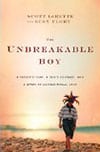
Authors I’ve worked with include Nelson Johnson, whose book inspired HBO’s Boardwalk Empire; Scott LeRette, whose book The Unbreakable Boy became a Lionsgate feature film released in 2025; and Leslie Lehr, whose publisher describes A Boob’s Life as being in development with Salma Hayek as an HBO Max television series.
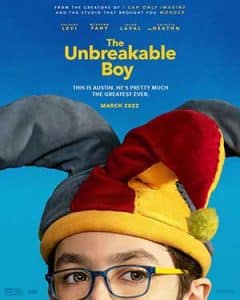
Those experiences and others help me explain where the book business and screen business intersect—but my primary expertise is still helping authors develop, position, and pitch books. However, I’m not a film or television agent, literary manager, producer, studio executive, or entertainment attorney.
That’s why this article isn’t just based on my book-industry experience. It’s also based on recent research I did into entertainment-industry practices, terminology, representatives, rights, companies, and opportunities.
How Book-to-Screen Adaptation Has Changed
Novels, short stories, plays, biographies, histories, journalism, comics, and other written works have supplied material for movies since the early years of filmmaking. Books have always been attractive because they can provide a developed story, memorable characters, a distinctive world, a compelling subject, a recognizable title, and sometimes an existing readership. What’s changed is how those properties are discovered, developed, financed, distributed, and watched.
The Studio and Broadcast Eras
During the traditional studio and broadcast eras, fewer major buyers controlled what appeared on screens. Authors had few realistic ways to place an unpublished manuscript or independently published book directly in front of legitimate decision-makers: publishers, literary agents, dramatic-rights representatives, producers, studios, networks, and attorneys.
Television Created More Possibilities
Feature films weren’t the only option. Television movies, miniseries, episodic programs, cable, etc. created additional formats for book-length material. Some stories can be compressed into a two-hour movie. Others need several episodes to develop multiple characters, relationships, time periods, or threads. And some can sustain multiple seasons.
Streaming Expanded the Market—and the Mythology
Streaming increased the number of outlets, encouraged international distribution, and made limited-series storytelling more common. It also brought “intellectual property,” or IP, into everyday conversations among authors. Streaming has accounted for approximately half of television viewing in the United States, exceeding broadcast and cable combined for the first time.
Fortunately, streaming platforms are often fueled by books.
According to Netflix, book-based titles represented nearly 20 percent of all hours watched on its service last year.
Here you can read Netflix’s report about book adaptations.
The Changing Market
Buyers still want books, but they’re increasingly selective about which properties receive development money and which developed projects reach production.
At the same time, technology is making more books searchable. Ingram launched MediaScout to help entertainment professionals locate books and identify rights availability. The Black List now accepts fiction as well as film, television, and theater material. And Simon & Schuster recently made metadata for more than 6,000 unadapted backlist titles searchable through The Black List by vetted entertainment professionals.
The path to discovery has broadened but the path from discovery to production is still narrow.
Where Book Literary Agents Fit Into All This
Every literary agent listed in my Directory of Literary Agents™ is included because the agent represents books. When they’re open to submissions, the overwhelming majority want queries from authors seeking representation for books they can pitch to traditional publishers. They’re evaluating the book’s concept, writing, audience, category, market potential, and the author’s qualifications or platform when relevant.
Film, television, audio, foreign, translation, merchandising, and other subsidiary rights can later become important. In some cases, those rights can generate substantial income and exposure.
But the first question is usually:
Is this a book the literary agent believes can be represented and sold to a publisher?
Some literary agencies handle film and television rights internally. Others work with dramatic-rights co-agents, managers, producers, scouts, or entertainment attorneys. Some primarily focus on book publishing and do relatively little with screen rights.
Sometimes—as in occasionally—genuine film or television interest precedes a publishing deal and makes the book more appealing to literary agents or publishers. But most authors shouldn’t build their query strategy around that exception.
When querying a book literary agent, the main goal/focus should be to sell the book and the reading experience—not a potential movie or television series.
For more about the larger rights picture, see Subsidiary Rights in Publishing. For help presenting the book itself, see How to Write a Literary Agent Query Letter.
Who Handles Books, Screen Rights, and Screenwriters?
The term “literary agent” can be confusing because publishing and Hollywood use it differently.
Book Literary Agents
A book literary agent represents authors and books to publishers. The agent might help develop and position a project, submit it to editors, negotiate the publishing agreement, and help with subsidiary rights. A book agent isn’t automatically a screenwriting agent or film and television rights specialist.
Dramatic-Rights and Film/TV Co-Agents
A dramatic-rights agent or film/TV co-agent specializes in shopping or licensing the screen rights to books and other underlying properties. Those types of specialists often work with book agencies, publishers, authors, and rights holders rather than accepting unsolicited novels directly from individual writers.
Screenwriting Agents
A screenwriting agent represents writers of feature screenplays, television pilots, episodes, and other material written for the screen. The Writers Guild of America’s list of franchised agencies is the most authoritative starting point for identifying agencies that may represent WGA writers. It isn’t, however, a list of agencies currently seeking new clients or accepting unsolicited scripts.
Each agency has its own interests and submission policies. A company might represent both book authors and screenwriters through different agents or departments, but writers shouldn’t assume that a screenwriting agent wants to receive novels.
Literary Managers
Literary managers generally take a broader and often more developmental role in a screenwriter’s career. A manager may help a writer choose projects, develop scripts, plan a career, prepare for meetings, and build relationships with producers, studios, networks, streaming companies, and agencies.
Agents and managers can perform overlapping functions. Some managers also produce or attach themselves to projects, so writers should understand both the services being offered and any interest the manager may acquire. There is no official WGA-style directory of literary managers. Writers need to research each manager’s clients, credits, genres, reputation, and submission policies.
Entertainment Attorneys
An entertainment attorney might review and negotiate options, purchases, shopping agreements, writing-service agreements, attachment agreements, and other contracts. An attorney can be essential when genuine interest or an offer exists, but most attorneys don’t provide the same continuing creative development or career management as a manager.
Producers
A producer might discover, option, develop, package, finance, or attempt to sell a project. A producer interested in your book isn’t automatically representing you. The producer ordinarily represents the producer’s own interests and those of the proposed production.
When Does Book Adaptation Happen?
Authors asking “When does adaptation happen?” can mean two different things:
- At what point in a book’s life can screen interest occur?
- At what point can the author accurately say the book is being adapted?
Screen interest can come up before the author has a literary agent, while a manuscript is being submitted to publishers, after a publishing deal but before publication, when advance copies begin circulating, around publication, or years later.
Reviews, awards, publicity, sales, word of mouth, cultural relevance, an author platform, or interest from a celebrity, director, producer, or screenwriter can all help a book get noticed. Books can also be discovered through agents, publishers, scouts, professional databases, and personal relationships.
There’s no set way or timeframe for how those things happen.
In other words…
A book doesn’t have to become a bestseller before someone asks about the screen rights. Conversely, getting a literary agent or publishing deal doesn’t guarantee producer interest. In addition, some projects move quickly. Others remain in development for years, pass through several producers, are optioned more than once, revert to the author, or never reach production.
What Does “Being Adapted” Mean?
Authors and publishers sometimes use “being adapted” too loosely.
Here’s a breakdown.
Interest or Inquiry
Someone asks to read the book, learn more about it, or determine whether the rights are available. That’s encouraging, but not yet an adaptation or offer.
Shopping Agreement
A shopping agreement gives a producer or other party limited authority to present the property to potential buyers for a defined period. Shopping agreements differ from options. Terms vary, including whether the arrangement is exclusive and what happens if the producer generates interest.
Attachment
A producer, director, screenwriter, actor, or company becomes associated with the proposed project. The importance of an attachment depends on who is attached, what that person has agreed to do, and whether the attachment makes the project more attractive to buyers.
Option
An option gives someone the exclusive right, for a defined period, to decide whether to purchase specified film or television rights. An option is meaningful. The author typically receives an option payment, and the rights are tied up for the option period. That said, an option isn’t a production commitment. The Authors Guild’s Model Film and TV Option Contract explains that the purchaser isn’t required to exercise the option or produce the project.
An option means someone has paid for time and exclusivity—not that cameras will roll.
Purchase or Exercise
If the option holder exercises the option, the specified rights are acquired under the terms of the agreement. That’s another significant step, but it still doesn’t guarantee production.
Development
“In development” is also meaningful, but it covers a wide range of activity. During development, the parties may hire a screenwriter, create and revise scripts, develop a pilot, attach talent, prepare a pitch package, pursue financing, and approach studios, networks, or streaming platforms.
Greenlight
A greenlight or series order means a buyer has authorized the project to move toward production, subject to the conditions of the deal.
Production and Release
Production means the project is actually being made whereas “release” means audiences can finally watch it.
What Makes a Book Cinematic?
When a literary agent calls a book cinematic, that doesn’t necessarily mean it’s driven by constant action, special effects, or a cliffhanger at the end of every chapter.
It also doesn’t mean the novel reads like a screenplay.
A cinematic book often has the following.
A Clear Premise
The central idea/concept can be described clearly and compellingly without becoming vague or generic. Clarity doesn’t mean the story is simplistic. It means readers can quickly understand what makes it unique/distinctive.
A Strong Story “Engine”
The story engine is what keeps driving or producing scenes, conflict, and decisions. It might be an investigation, dangerous mission, troubled workplace, family secret, competition, relationship under pressure, recurring professional challenge, or world whose rules naturally create problems.
An Active Protagonist
The protagonist wants something and takes visible action to pursue it. That pursuit produces obstacles, choices, consequences, and change.
Escalation
Events shouldn’t just accumulate. The consequences should intensify. The stakes should continue being raised. What becomes harder, more dangerous, more emotionally costly, and/or less reversible?
Visual and Situational Specificity
Visual storytelling doesn’t require elaborate description. It means the story contains concrete settings, actions, relationships, and situations that can be dramatized. A novel dependent almost entirely on internal reflection may be powerful on the page but require substantial reinvention for the screen.
Scene-Level Movement
A strong scene changes something (I’m going to write a separate article about this soon as well): information, power, danger, desire, relationships, expectations, or direction. Even quiet scenes can be cinematic when they contain conflict, subtext, and consequence.
An Emotional Engine
Plot alone isn’t enough. Audiences need a reason to care about what happens and whom it happens to, of course. At least that’s the way it should be, and usually is.
A Compressible Story
Adaptation usually requires omission, compression, combination, and transformation. The central story therefore needs to remain identifiable even when secondary characters, subplots, and internal material are reduced.
A Distinct World and Tone
A school, profession, neighborhood, family, institution, historical period, or unusual community can help generate or enhance story. Tone is important too: warm, romantic, frightening, funny, suspenseful, tragic, or some distinctive combination.
Cinematic storytelling is less about spectacle than clarity, movement, emotion, and consequence.
Is Your Book Better for a Movie or TV Series?
Adaptation potential isn’t one generic quality. Different stories are best suited for different formats.
Feature Film
A feature film usually benefits from one dominant, compressible central arc. The story needs enough external and emotional movement to sustain a movie without requiring numerous episodes to make sense.
Limited Series
A limited series can support a larger cast, several connected storylines, multiple time periods, a broader investigation, or a more complicated world.
It should still move toward a planned conclusion.
Ongoing Television Series
An ongoing series needs a repeatable engine capable of generating additional episodes or seasons. That engine might involve cases, missions, workplace conflict, a continuing family or community system, recurring relationships, political struggles, staged revelations, or a world that naturally creates new threats. A novel with one central mystery and one definitive solution may make an excellent movie or limited series without supporting an ongoing show.
Documentary or Docuseries
Narrative nonfiction, biography, memoir, history, investigation, and true crime may be suited to documentary treatment when the material offers access, evidence, central figures, conflict, discoveries, or cultural importance.
Animation and Children’s Programming
Animation and children’s programming often depend on memorable characters, recurring situations, a distinctive visual world, and age-specific appeal. Authors can consider these possibilities without dictating the final format in a literary-agent query. Experienced screen professionals may envision a different—and better—form.
Which Types of Books Are Adaptable?
No category is automatically attractive to screen buyers. The particular premise, execution, audience, and production requirements matter more than the label alone.
Adult Fiction
- Thrillers, crime novels, and mysteries benefit from a distinctive premise, escalating pressure, active investigation, and a satisfying narrative spine.
- Romance needs more than an attractive couple. Chemistry, emotional vulnerability, visible obstacles, difficult choices, and a compelling relationship arc must be dramatized.
- Upmarket and book-club fiction adapts most naturally when internal depth is supported by strong interpersonal conflict and consequential decisions.
- Science fiction and fantasy benefit from understandable rules, accessible worldbuilding, and a clear human story. A vast world isn’t enough, especially when it would be expensive to produce.
- Historical fiction needs a strong central story, not merely an interesting period and extensive research.
- Horror benefits from a distinctive source of fear, escalating tension, memorable situations, and emotional stakes beyond survival.
Adult Nonfiction
- Narrative nonfiction, biography, memoir, history, and true crime are stronger candidates when they contain central figures, conflict, reversals, discoveries, stakes, access, and a discernible arc.
- Prescriptive, business, self-help, and idea-based nonfiction may generate documentaries, unscripted programming, educational projects, or works inspired by the material rather than direct dramatic adaptations.
Children’s Books
- Picture books need more than brevity and attractive illustrations. Memorable characters, a distinctive world, and naturally recurring possibilities can matter.
- Middle grade and young adult books benefit from active protagonists, strong hooks, accessible emotion, and age-specific stakes.
- Graphic novels and comics already contain visual storytelling, but they must still justify their intended audience, format, and production demands.
Should You Mention Screen Potential in a Query?
For most authors, don’t announce that the book would make a great movie or television series. Instead, write a pitch that allows the literary agent to reach that conclusion.
When You Don’t Have Documented Interest
Avoid statements such as:
- “Perfect for Netflix.”
- “HBO Max will love this.”
- “This is guaranteed to become a hit series.”
- “I already know who should play the lead.”
- “It’s basically a movie in book form.”
- “I can already see the trailer.”
Those statements can sound good to authors, but aren’t evidence of anything that will persuade agents. Those statements can also suggest the opposite: that the author is more interested in a possible adaptation than the book being published. A strong query demonstrates commercial potential through the premise, characters, conflict, stakes, audience, comparisons, and writing.
When You Have Preliminary Interest
A legitimate producer’s request to read the manuscript or ask about rights can sometimes be mentioned. Just describe it accurately:
A producer with credits in [relevant area] has requested the manuscript and asked about the availability of the film and television rights.
Don’t turn a casual conversation, social-media message, or reading request into “Hollywood interest” or “development.”
When You Have Documented Activity
Briefly mention an executed option, shopping agreement, screen-representation agreement, reputable attachment, or development agreement. Keep the language short, factual, and calm. State what happened, with whom, and when. Don’t predict the outcome.
Film and Television Comparisons
A screen comparison can occasionally help communicate tone, pace, audience, or atmosphere. But literary agents also need to understand the book market. Screen comparisons shouldn’t replace relevant book comparisons.
“I Wrote the Screenplay Too”
Mention the screenplay only when it’s professional and relevant—for example, if it’s received meaningful recognition, attracted legitimate interest, or supports a serious screenwriting career. Again, when querying a book agent, keep the book as the clear primary product.
How Film and Television Rights Work
A book can involve many potentially separable rights, including print and ebook publication, audio, foreign and translation, stage, film and television, merchandising, character, sequel, prequel, remake, and other allied rights. For a broader overview, see Subsidiary Rights in Publishing: Unexpected Ways to Reach More Readers and Make More Money.
Granted and Reserved Rights
Authors should know which rights they still control and which they have granted to an agent, publisher, producer, or other party. Don’t assume you own the film and television rights merely because you wrote the book. The answer depends on the contracts you signed.
Chain of Title
Chain of title is the documentation establishing who owns and controls the property and rights being offered. Potential complications include co-authors, ghostwriters, collaborators, publishers, prior editions, source material, permissions, life-story subjects, estates, previous options, and other agreements. A producer or buyer needs confidence that the rights can be acquired without later disputes.
Important Option and Purchase Terms
Important provisions might include:
- What property and story elements are covered
- The option fee
- The option period
- Extensions
- The purchase price
- Contingent compensation
- Credit
- Consultation or approval
- Sequel, remake, and character rights
- Merchandising
- Reserved rights
- Reversion
The Authors Guild cautions that the property being optioned may include not only the book as a whole but also characters, themes, titles, and other story elements. You can review the Authors Guild’s model film agreement commentary.
Creative Control
Authors can have more or less creative control than they expect. Usually less. That’s not necessarily a bad thing. A production might need to modify—a little or a lot—the plot, structure, characters, setting, chronology, tone, or ending.
A book and its screen adaptation are different works created for different media, budgets, audiences, and commercial conditions. How closely an adaptation follows the author’s vision depends on the agreement, the author’s leverage, and the creative decisions made during development and production.
Current Book-to-Screen Opportunities
One reason I decided to write an updated article about book-to-screen adapation is that I previously recommended ScreenCraft to some writers interested in adaptation opportunities. But ScreenCraft discontinued all its services on February 28, 2025. Its website now directs writers seeking labs, fellowships, and other opportunities to FilmFreeway, and no single current company replaces everything ScreenCraft offered. You might, however, find the following helpful.
Disclaimer: I’ve never communicated with representatives of the following places or used their services so I can’t vouch for them.
Book Pipeline
Book Pipeline’s Adaptation Contest is probably the closest direct alternative to ScreenCraft for authors with eligible published properties. Its 2026 contest accepts traditionally published and self-published books, graphic novels, comics, and short stories for film and television consideration.
The winner receives development assistance and circulation to producers and other entertainment professionals. Authors with unpublished book manuscripts can consider Book Pipeline’s separate Unpublished Contest. These are competitions. Entering doesn’t mean the author has representation, an option, or a project in development.
The Black List
The Black List began as an annual survey of film executives’ most-liked unproduced screenplays and later developed an online platform through which writers could showcase material and purchase evaluations. Writers can create profiles, upload work, purchase evaluations, and submit to eligible programs. Its industry members can search for material. The available programs, prices, and partnerships can change, so authors should review the current terms before participating.
Stage 32
Stage 32 Pitch Sessions allow writers to pay for live or written pitches to listed producers, managers, development executives, and other professionals. Stage 32’s FAQ says books may be pitched when the genre matches what the executive wants, and the author should identify the project as a novel.
Pitch sessions are presented as educational evaluations, and any request for additional material remains discretionary. Authors therefore need to research the individual executive carefully. One may be open to novels and underlying IP; another might want only completed screenplays.
Because Stage 32’s general pitch-session guidelines also say participants must have a completed script available, confirm the requirements for the specific executive and session before paying. Paying to pitch isn’t the same as receiving representation or genuine development interest.
FilmFreeway
FilmFreeway is a marketplace for finding and entering festivals, screenplay contests, fellowships, labs, and other programs. It isn’t one unified book-to-screen service. Authors must evaluate each individual listing, its organizers, fees, eligibility, judges, terms, and outcomes. A professional-looking FilmFreeway page doesn’t establish that a program is prestigious, effective, or appropriate for books.
MediaScout
MediaScout is an Ingram Content Group database designed to help production companies, studios, and talent agencies discover books and identify rights availability. It’s primarily an industry-facing rights-discovery tool, not a contest through which an individual author submits one book directly. MediaScout illustrates an important shift: Technology can make far more titles searchable without guaranteeing that any particular title will be selected.
Professional Rights Markets
Book-to-screen rights are also presented at professional markets that bring together publishers, literary agencies, rights representatives, and producers. The Venice Book Adaptation Rights Market, for example, selected international publishing houses and literary agencies for meetings with producers during the 2026 Venice International Film Festival. It’s designed for established rights holders with catalogs rather than individual authors directly submitting one manuscript. That distinction helps explain why literary representation and publishing relationships remain valuable.
How to Evaluate Any Opportunity
Be cautious about guaranteed production, guaranteed Netflix or studio placement, unnamed “Hollywood connections,” large upfront adaptation fees, expensive screenplay conversions presented as necessary, and broad rights transfers hidden in submission terms.
What to Do If Someone Expresses Interest
- Verify the person’s identity, company, role, and credits. Read this article about the latest Book Scams before doing anything else.
- If, after reading the above, you believe the contact is legitimate, ask exactly what is being proposed.
- Determine who controls the relevant rights.
- Don’t sign immediately.
- Involve the appropriate literary agent, publisher, rights representative, or attorney.
- Preserve all correspondence and proposed agreements.
- Describe the interest accurately in future queries and publicity.
Research tools such as IMDbPro can help verify companies, credits, and representatives, although inclusion in a database isn’t an endorsement. Warning signs include pressure to act immediately, guaranteed buyer access, vague credentials, unusually broad rights transfers, minimal compensation, and resistance to attorney review.
Don’t allow yourself to be rushed or bullied. Professional people expect authors to ask reasonable questions and obtain qualified advice.
Should You Adapt Your Own Book?
Selling or licensing the screen rights to a book and building a career as a screenwriter are different goals. A book author doesn’t automatically need a screenwriting agent or manager. If the goal is simply to license the screen rights, a book agent or dramatic-rights co-agent may present the property, and an entertainment attorney may review or negotiate the agreement. A producer or manager may initiate or facilitate interest, but neither should automatically be treated as the author’s representative. The situation changes when the author wants to write the adaptation.
Screenwriting Isn’t Novel Writing
A strong novelist might still need to learn screenplay format, screen structure, visual storytelling, scene economy, performance-oriented dialogue, production realities, and collaborative revision. A screenplay isn’t simply a shortened novel. It is a new work based on the source material. Being the author of the source book doesn’t automatically entitle someone to write the adaptation or receive screenplay credit. The Writers Guild of America distinguishes the underlying source material from the screenplay and awards screenwriting credit according to its credit rules.
What Screenwriting Representatives Evaluate
A screenwriting agent or manager might consider not only whether one script could sell but whether the writer can revise professionally, generate additional projects, collaborate, take meetings, complete assignments, and sustain a career. Depending on the goal, the writer might need a polished feature screenplay, television pilot, series overview, logline, synopsis, verbal pitch, and additional writing samples.
Finding Screenwriting Agents and Managers
Consider starting with the WGA’s franchised-agency list, then research each agency’s clients, genres, formats, personnel, and submission policies. IMDbPro can help identify who represents screenwriters working in similar areas. Agency and management-company websites, reputable referrals, fellowships, labs, competitions, produced work, and professional relationships may also lead to representation.
There is no single official directory of literary managers that I know of comparable to the WGA agency list. Manager rosters and submission policies change frequently, so writers need to research them individually. Most important, don’t submit a novel to a screenwriting representative as though it were a screenplay. Determine what the representative actually handles.
A Rights Warning
You can write a screenplay based on your own book and still be unable to market or authorize the adaptation if you previously granted the relevant rights to a publisher, producer, or another party. Check the contracts before doing substantial work or making promises.
What Authors Can Do Now
You don’t need to write a screenplay, hire an adaptation company, or announce that your book is perfect for streaming.
Start here:
1. Strengthen the Book
Clarify the premise, protagonist’s goal, central conflict, stakes, emotional arc, and major turning points. Remove characters, scenes, and subplots that don’t create pressure, consequence, revelation, or meaningful change.
2. Position the Book Professionally
Identify the correct category and audience. Develop a strong hook, choose useful book comparisons, write an effective query, and research appropriate literary agents. The Directory of Literary Agents™ can help you identify book agents who represent your type of fiction, nonfiction, or children’s book.
3. Consider the Best Screen Format for Your Book
Ask whether the story most naturally resembles a feature film, limited series, ongoing series, documentary, animation, or another form. This exercise may clarify the book’s story engine and central spine even if you never mention adaptation in the query.
4. Know Who Controls the Rights
Review publishing agreements, agency agreements, collaboration agreements, permissions, prior licenses, and any option or shopping agreement.
5. Choose Your Goal
Decide whether your current priority is book publication, licensing the screen rights, becoming a screenwriter, or pursuing those goals in a deliberate sequence. Evaluate opportunities according to that goal—not according to how exciting the promotional language sounds.
Get Support for Your Book
For personalized support developing, positioning, or pitching your book, learn more about my one-on-one literary agent advice and author coaching.
My background includes working as a literary agent and publishing executive, including serving as Marketing & Licensing Manager for the book division of Blue Mountain Arts. Through my work as an author coach and consultant, I’ve also helped more than 450 authors receive offers from literary agents and/or traditional publishers.
I’d love to help you too.
Conclusion
Books have supplied stories to screens from the beginning. Film, television, cable, streaming, databases, competitions, and professional rights markets have changed how those stories are discovered. Discovery, interest, an option, development, production, and release remain very different things. Authors shouldn’t hide genuine screen activity. They also shouldn’t exaggerate imagined potential or treat Hollywood as a shortcut around publishing.
Platforms, programs, and discovery tools will continue to change. The most reliable strategy for a book author hasn’t changed: Write the strongest book possible, present it professionally, understand and protect the rights attached to it, and recognize the difference between an intriguing possibility and a genuine deal.
FAQ: Questions About Book-to-Screen Adaptation
How do I get my book adapted for film or television?
There is no single application process. Books are discovered through literary agents, publishers, rights representatives, producers, scouts, managers, databases, publicity, sales, competitions, and professional relationships. The best foundation is a strong, professionally positioned book with clearly controlled rights.
When can screen interest arise?
Screen interest can arise before publication, during publisher submissions, around publication, after commercial or critical success, or years later. There is no required sequence.
Does my book need to be published first?
No. Screen rights are sometimes acquired before a book is published. However, publication, a reputable publisher, sales, reviews, awards, and audience response can provide validation and visibility.
Can a self-published book be adapted?
Yes. Self-published books can be optioned and adapted. The same standards still apply: compelling material, clear rights, professional presentation, and a realistic path to buyers.
What does it mean when a book is optioned?
Someone has paid for the exclusive right, during a defined period, to decide whether to purchase specified adaptation rights.
Does an option mean the movie or TV series will be made?
No. An option usually doesn’t require the purchaser to exercise the option or produce the project.
How long does book-to-screen adaptation take?
There is no reliable timetable. A project can move quickly, remain in development for years, be optioned repeatedly, or never reach production.
Do literary agents sell film and television rights?
Some do. Some agencies have internal rights specialists, while others work with outside co-agents or refer matters to attorneys or entertainment representatives. Ask how an agent handles dramatic rights before signing an agency agreement.
Should I mention Netflix or another platform?
Not unless there is a factual, relevant connection. Predicting that a particular platform will buy the project generally sounds speculative.
Should I write a screenplay based on my book?
Only if you want to learn screenwriting and can commit to creating a professional script. Don’t write one merely because you assume it will prove the book is adaptable.
Does the book’s author automatically write the adaptation?
No. Producers and buyers may hire another screenwriter. Writing the source book and writing the screenplay are different jobs.
How much creative control does an author have?
That depends on the agreement and the author’s leverage. Consultation is more common than meaningful approval or final control.
Are paid pitches and adaptation contests worthwhile?
Some can provide useful feedback, development, visibility, or relationships. None should be treated as a guaranteed route to representation, an option, or production. Evaluate the people, terms, fees, and documented outcomes.
What should I do if a producer contacts me?
Verify the person and company, ask what is being proposed, determine who controls the rights, avoid signing immediately, and involve a qualified representative or attorney.
About
This article about “Book-to-Screen Adaptation” was written by a former literary agent turned author coach. Mark Malatesta is the creator of The Directory of Book Agents, host of Ask a Publishing Agent, and founder of Literary Agent Undercover and The Bestselling Author.
Mark has helped hundreds of authors get offers from literary agents and/or traditional publishers. Writers of all Book Genres have used our Book Agent Advice coaching/consulting to get Top Literary Agents at the Best Literary Agencies on our List of Literary Agents.
The Bestselling Author, LLC
 Established in 2011, The Bestselling Author has helped 400+ authors get literary agents and/or traditional publishers. Writers who’ve worked with Literary Agent Undercover, a division of The Bestselling Author, have gotten six-figure book deals; been on the New York Times bestseller list; had their books adapted for TV, stage, and feature film; had their work licensed in 40+ countries; and sold many millions of books.
Notable authors include Nelson Johnson, author of Boardwalk Empire, which Martin Scorsese produced for HBO; Leslie Lehr, author of A Boob’s Life, which is currently being adapted for an HBO Max TV series by Salma Hayek; and Scott LeRette, author of The Unbreakable Boy, which was published by Thomas Nelson and is now a major motion picture by Lionsgate starring Patricia Heaton, Zachary Levi, and Amy Acker.
The founder of The Bestselling Author, Mark Malatesta, is a former literary agent, literary agency owner, AAR member, and Marketing & Licensing Manager for the gift and book publisher Blue Mountain Arts. He is now an author coach and consultant. Click here to see Mark Malatesta reviews.
About the Author
 The founder of The Bestselling Author, Mark Malatesta, is a former literary agent, literary agency owner, AAR member, and Marketing & Licensing Manager for the gift and book publisher Blue Mountain Arts. Mark is now a highly regarded author coach and consultant, dedicated to helping writers obtain literary agents. Drawing on decades of industry experience, he works with writers across genres, offering personalized coaching to navigate the complexities of the publishing world.
Through The Bestselling Author, Mark provides practical tools, industry insights, and motivational support tailored to each writer’s needs to help them do so. In addition to coaching, Mark shares his expertise through speaking engagements and online resources. His dedication to empowering authors has made him a trusted mentor in the writing community, earning him a reputation as a knowledgeable and approachable guide for writers pursuing their dreams. Click here for Mark Malatesta reviews.




 MARK MALATESTA is a former literary agent turned author coach. Mark now helps authors of all genres (fiction, nonfiction, and children's books) get top literary agents, publishers, and book deals through his company