

Do literary agents even show a writer’s manuscript to publishers before offering them representation? Most writers assume the publishing process happens this way: an agent reads the book, offers representation, signs the author, and then submits the book to publishers. But sometimes an agent discusses or shares a writer’s project with one or more editors before offering representation. The agent might share the premise, send a pitch or sample pages, or share the complete manuscript. This article is part of my guide about how to get a literary agent.

Why would an agent do that before committing to represent the writer? Is it an acceptable way to evaluate a book’s prospects—or does it cross a professional and ethical line? The answer depends partly on what the agent shared, how the conversation was presented, and whether the writer knew about it.
Quick Summary
Literary agents sometimes contact editors about a writer’s book before offering representation, usually to gauge publisher interest. General conversations about publishing trends don’t require an author’s permission. However, when an agent discusses an identifiable project or shares a pitch, proposal, sample pages, or manuscript, the agent should ask the writer first.
During my years as a literary agent, I never discussed or shared an author’s identifiable project without permission. If an agent says they’ve already done so, find out who received the material, what was shared, how the book was presented, and what response it received.
Key Takeaways
- Some agents test publisher interest before offering representation.
- Discussing a market category isn’t the same as discussing an identifiable book.
- An agent should get permission before sharing identifiable information or material.
- Even informal outreach can affect a book’s positioning or submission history.
- As a literary agent, I never discussed or shared an identifiable project without permission.
- Writers don’t need to question every interested agent about this possibility.
- If an agent says they’ve already shared the book, the writer should get complete details.
An agent’s reason for testing publisher interest might be understandable. Doing it without the writer’s knowledge and permission isn’t.

1. Do Literary Agents Contact Publishers Before Signing Writers?
Yes, it happens.
An agent might mention a project to a trusted editor, send a short description or sample material, or ask whether the editor would be interested in reading more.
Writers often say agents show books to “publishers,” but agents usually communicate with acquiring editors at publishing houses. Sometimes that outreach is limited and transparent. Other times, the writer learns afterward that the book has already been discussed or shared.
Which way it goes is important.
An agent who asks permission is giving the writer an opportunity to understand and approve what’s happening. An agent who acts first is making a potentially consequential decision about someone else’s work.
2. What Does “Sharing a Book” Mean?
There are several possible levels of communication between agents and editors.
Discussing the Market Generally
An agent might ask whether publishers are still acquiring books about a particular subject or whether a genre is becoming harder to sell. If no specific writer or recognizable project is involved, that’s normal market research.
Discussing an Identifiable Project
An agent might describe a distinctive premise, title, author background, or other details that make a particular project recognizable. Even without the writer’s name, the conversation may clearly be about that writer’s book.
Sharing Material
The agent might send a query, pitch, proposal, synopsis, sample pages, or complete manuscript. That goes beyond a general conversation about the market.
Formally Submitting the Book
A formal submission usually involves presenting the book to an editor as a project the agent is actively representing and attempting to sell. You can learn more about the normal submission process in What Happens After You Get a Literary Agent?
3. Is It Right or Wrong?
To me, it’s simple An agent shouldn’t discuss a project or share a writer’s material without first getting the writer’s permission. That doesn’t mean every incident is illegal, fraudulent, or proof that the agent is dishonest. It means the decision to share the project without permission was wrong, whether the agent realized it or not. Sometimes they realize it and sometimes they don’t.
The bottom line is that the writer owns the work. The writer will live with the consequences of how it’s presented, who sees it, and what response it receives.
The dividing line isn’t whether the agent sent the complete manuscript. It’s whether the agent used an author’s work to test publisher interest without informed permission.
The Association of American Literary Agents Canon of Ethics provides standards for ethical agent conduct, but it doesn’t specifically address every possible pre-representation conversation.
My position is based on professional judgment, respect for the writer’s ownership of the work, and the importance of consent.
4. My Experience as a Former Literary Agent
I’m a former literary agent, literary agency owner, and publishing executive with approximately 30 years of experience in the book industry. I was also the Marketing & Licensing Manager for the book division of Blue Mountain Arts. Since 2011, I’ve worked as an author coach and consultant. More than 450 writers I’ve helped have received offers from literary agents and/or traditional publishers.
During my years as a literary agent, I never discussed or shared an author’s project with an editor or publisher (or anyone else) without first getting the author’s permission. That was true whether I wanted to mention the premise, send part of a proposal or manuscript, or formally submit the work. The author had the right to know what I wanted to share, with whom, and why.
5. Why an Agent Might Test Publisher Interest
Representing a book requires a significant investment of time, usually with no guarantee the agent will ever be paid. An agent might, understandably, as a result, want reassurance that the project has a realistic chance of selling.
The agent might be uncertain about:
- The size or accessibility of the market
- How editors will respond to the premise
- The best way to position the book
- Whether the author’s platform is sufficient
- Which publishers might be appropriate
- Whether recent publishing trends have affected the book’s prospects
Those are legitimate concerns. An agent is entitled to investigate the market before committing to representation. But getting the writer’s permission isn’t difficult. The agent can explain what they want to do, identify the editor or small group of editors they want to contact, and let the writer decide.
6. How Pre-Representation Outreach Can Affect Writers
Even limited outreach can have consequences.
An editor might form an opinion based on an incomplete description, an early draft, or positioning the author wouldn’t have approved. The editor might also remember the project or record the conversation internally.
A negative response might or might not be treated as a formal rejection. That depends on what was shared, how the discussion was framed, and how the editor or publishing house tracks projects.
The outreach could affect:
- Which editors a future agent approaches
- How the book is positioned during a later submission
- The accuracy of the project’s submission history
- The author’s ability to choose a different agent
- Questions about representation, commission, and negotiating authority
The agent might believe the contact is harmless or helpful, but, again, the potential consequences belong to the writer as well as the agent.
7. Different Scenarios Writers May Encounter
In my work with writers who are represented by literary agents—or who were represented previously—I’ve encountered different versions of this situation.
- Sometimes an agent asks permission to mention a project informally to one or two trusted editors before deciding whether to offer representation.
- Sometimes the agent asks to share a pitch, proposal, sample chapters, or complete manuscript.
- Sometimes an agent reveals afterward that the book has already been discussed or shared.
- And sometimes an agent’s willingness to represent the writer depends partly on whether an editor expresses interest first.
These situations aren’t the ame. Limited, carefully targeted outreach with the writer’s informed permission can be reasonable. Secret outreach is not.
There’s also a separate situation in which a publisher approaches a writer directly and the writer then seeks an agent to evaluate or negotiate the opportunity. In that case, the publisher contact occurred independently. The agent didn’t initiate it without authorization.
8. What to Ask If an Agent Has Already Shared Your Book
Don’t panic or accuse the agent of misconduct. First, figure out exactly what happened.
Ask the literary agent:
- Who did you discuss or share the book with?
- What information or material did you provide?
- How did you describe or position the project?
- Was this an informal conversation or a formal submission?
- What response did you receive?
- Did anyone decline the project or request more material?
- Will you provide a written record of everyone contacted?
- What do you propose doing next?
Those questions aren’t meant to create conflict. They are meant to help you understand what happened, as well as if and how what happend might impact future submissions. A written record is especially valuable if you eventually work with another agent. The new agent will need accurate information about who has already heard about or reviewed the book.
9. What If a Publisher Expresses Interest?
An expression of interest isn’t necessarily a publishing offer. An editor might request the manuscript, ask for additional information, invite a revision, or simply say the concept sounds promising.
Before the agent sends more material or begins negotiating, clarify:
- Whether the agent is offering representation
- Which book or rights the agent would represent
- What commission would apply
- Whether the relationship would continue if this publisher declines
- What authority the agent would have to act on your behalf
These terms should be documented in writing. The Authors Guild discusses the importance of clearly defining the scope of the author-agent relationship in An Author’s Guide to Agency Agreements.
Also review Offer of Representation From a Literary Agent before accepting representation or authorizing broader submissions.
10. Should You Ask Every Interested Agent About This?
No.
Writers don’t need to ask every agent who requests a manuscript whether they’ve secretly discussed it with publishers. Doing so could create unnecessary suspicion during an otherwise positive conversation.
Questions are appropriate when an agent:
- Says they’ve already mentioned or shared the project
- Asks permission to test publisher interest
- Suggests sending the book to an editor before offering representation
- Indicates that representation depends on an editor’s response
At that point, asking for specifics isn’t distrustful.
It’s responsible.
12. Final Thoughts
Agents need the freedom to evaluate books, understand the market, and communicate with editors. Writers need control over when and how their identifiable work is presented. An agent might have a reasonable business purpose for testing publisher interest before offering representation. But that doesn’t justify doing it without the writer’s knowledge.
The agent just needs to ask first.
Get 1-on-1 Help With Literary Agents and Offers of Representation
Agent interest can be exciting, but it can also create unexpected questions about submissions, contracts, commission, strategy, and what you should do next.
As a former literary agent and publishing executive who has helped more than 450 writers receive offers from literary agents and/or traditional publishers, I help authors evaluate opportunities, improve their submission materials, identify the best agents, and make informed decisions about representation.
FAQ: Do Agents Show Books to Publishers Before Offering Representation?
Is it normal for an agent to mention a book to an editor before offering representation?
It happens, especially when an agent wants to gauge market interest. The agent should get the writer’s permission before discussing an identifiable project.
Can an agent ask an editor about my genre without my permission?
Yes. Agents and editors routinely discuss genres, subjects, market conditions, and publishing trends. Permission becomes necessary when the conversation reveals distinctive details about your specific project.
Is it a red flag if an agent asks to test publisher interest?
Not automatically. An agent who explains the plan and asks permission is being transparent. The greater concern is an agent who shares the work first and tells the writer afterward.
Does an informal negative response count as a publisher rejection?
Not necessarily. It depends on what the editor received and how the conversation was presented or recorded. That’s why the writer needs complete details.
Can an agent submit my manuscript without a signed agency agreement?
An author can authorize limited outreach before signing a long-term agreement, but the scope, commission, and expectations should be clear and documented before the agent acts.
What if the agent won’t identify the editors contacted?
That’s cause for concern. You need an accurate record of who received information or material so you—or a future agent—can make informed submission decisions.
Is sharing a manuscript without permission illegal?
Not necessarily. The legal answer would depend on the facts, communications, agreements, and applicable law. This article addresses whether the practice is professionally and ethically appropriate, not whether it creates a specific legal claim.
About
This article about agents showing author manuscript to publishers, prior to offering the author representation, was written by a former literary agent turned author coach. Mark Malatesta is the creator of The Directory of Book Agents, host of Ask a Publishing Agent, and founder of Literary Agent Undercover and The Bestselling Author.
Mark has helped hundreds of authors get offers from literary agents and/or traditional publishers. Writers of all Book Genres have used our Book Agent Advice coaching/consulting to get Top Literary Agents at the Best Literary Agencies on our List of Literary Agents.
The Bestselling Author, LLC
 Established in 2011, The Bestselling Author has helped 400+ authors get literary agents and/or traditional publishers. Writers who’ve worked with Literary Agent Undercover, a division of The Bestselling Author, have gotten six-figure book deals; been on the New York Times bestseller list; had their books adapted for TV, stage, and feature film; had their work licensed in 40+ countries; and sold many millions of books.
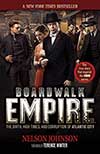
Notable authors include Nelson Johnson, author of Boardwalk Empire, which Martin Scorsese produced for HBO; Leslie Lehr, author of A Boob’s Life, which is currently being adapted for an HBO Max TV series by Salma Hayek; and Scott LeRette, author of The Unbreakable Boy, which was published by Thomas Nelson and is now a major motion picture by Lionsgate starring Patricia Heaton, Zachary Levi, and Amy Acker.
The founder of The Bestselling Author, Mark Malatesta, is a former literary agent, literary agency owner, AAR member, and Marketing & Licensing Manager for the gift and book publisher Blue Mountain Arts. He is now an author coach and consultant. Click here to see Mark Malatesta reviews.
About the Author
 The founder of The Bestselling Author, Mark Malatesta, is a former literary agent, literary agency owner, AAR member, and Marketing & Licensing Manager for the gift and book publisher Blue Mountain Arts. Mark is now a highly regarded author coach and consultant, dedicated to helping writers obtain literary agents. Drawing on decades of industry experience, he works with writers across genres, offering personalized coaching to navigate the complexities of the publishing world.
Through The Bestselling Author, Mark provides practical tools, industry insights, and motivational support tailored to each writer’s needs to help them do so. In addition to coaching, Mark shares his expertise through speaking engagements and online resources. His dedication to empowering authors has made him a trusted mentor in the writing community, earning him a reputation as a knowledgeable and approachable guide for writers pursuing their dreams. Click here for Mark Malatesta reviews.








 MARK MALATESTA is a former literary agent turned author coach. Mark now helps authors of all genres (fiction, nonfiction, and children's books) get top literary agents, publishers, and book deals through his company